On-Demand
Conversion Principles We’ve Learned Through Auditing 500+ Stores
We have been auditing eCommerce stores for more than 7 years now. And there is a mental process that we tend to follow. When we see a website, the first thoughts are not about technical elements like the design, layout, or messaging.
We start studying stores through the psychology lens—which scientific principles can be applied to increase the likelihood of visitors taking action.
Over the years, we’ve built a long list of scientific principles that we refer to—to gain insight into the thoughts, feelings, motivations, and behaviors of the people. And we want to take this opportunity to share them with you.
This live session will be about:
👉 Psychological principles you can apply to your store to boost conversions
👉 Smart real-world examples of user psychology on eCommerce stores


About the speaker

Shekhar Kapoor
VP, Marketing
Convertcart
Shekhar Kapoor (VP at Convertcart) has worked with 500+ online brands, including Squatty Potty, Prep Expert, and USA Hockey Assn., and helped them boost sales exponentially.
Shekhar Kapoor
VP, Marketing
Convertcart
SESSION REPLAY – CONVERSION PRINCIPLES WE’VE LEARNED THROUGH AUDITING 500+ STORES
All right, perfect. Awesome. Thank you so much for joining us again, everyone.
Today, we are going to lead with some psychological biases that we feel exist when someone is shopping with you. And so we're going to focus on how to address them and how to create those biases.
In some cases, you want the customer to be biased in some way or form. And so we're going to cover that.
Some of the ideas, while I talk about them, might seem that they are simple, but trust me, one of the key things that I want you to take away from the webinar is how you can convert that simple idea into something that works purely for your brand.
The thing about us doing these ideas is, as the title suggests, we've learned them from auditing over 500 stores. Convertcart, you know, as a company, runs more than 12,000 experiments in a year. So, there's a very high depth of learning that we have in the conversion rate optimization and the email marketing field.
So I'm going to try and keep this as useful as possible, and I really hope that you're able to take at least one idea away from our discussion today. Okay.
All right. So let's get in.
1. Temporal Reframing
All right. The first thing that we want to talk about is temporal reframing.
What temporal reframing essentially means is adjusting how time is presented. Right now, if you see what I've done while introducing you to the webinar is I've said, "Hey, we have some 10 ideas and four things in each of those 10."
So I'm just trying to make it look like there's not a lot and we're going to go through it in a very fast pace, but we've blocked an hour with you as far as the webinar goes and we've structured the ideas in a way that they keep getting more interesting as I go.
So the idea of temporal reframing is shifting how time is perceived, and that applies to shopping in a huge way.
And so I'm going to show you an example of how you can use it, and that's what we're going to do.
We're going to understand a concept, and then we're going to look at how eCommerce or shopping can benefit from it. So this is a kind of eCommerce conversion optimization plus a psychology class. So that's great.
All right. So the first thing I want to talk about is how you could apply it — to break down high-value products into smaller, agreeable amounts. There are two ways to do this. The first is your, you know, EMI apps that you generally use.
That's one easy way to do it. The other way is to break down and compare it with, like, you know, just like a cup of coffee every week or, you know, it's only like buying a pencil every two weeks or something like that, right? So you're really breaking that down.
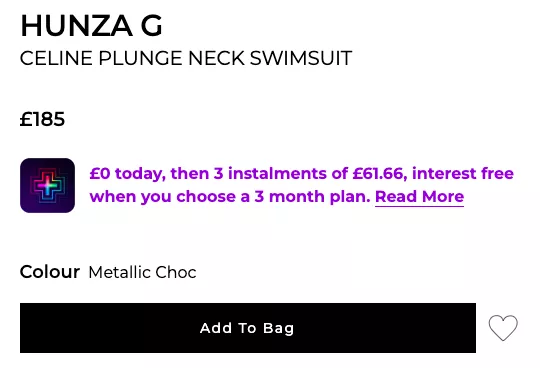
And what this does — I mean, I'm just giving you an example of what temporal reframing is.
So, depending on what you're selling, you have to try and see first what it is that you want to reframe.
Do you want to reframe just the price?
Do you want to reframe the shipping time?
Do you want to reframe the brand's positioning, etc.?
But the idea is that you can actually influence the way the frontal lobe of a human works, and that's one of the ways in which marketers invite you to click on ads. They just want you to impulsively really like something and instantly try and click.
So when you take that to the next level, these are some ways in which you can do it.
And I'm going to give you another example.
Like in this case, for example, it says — if you look at this email, there's no urgency that it creates for me, right? "Oh no, your points are expiring soon." So it starts with "Oh no" — that's great, that's a great opening, so it makes me read the rest of it.
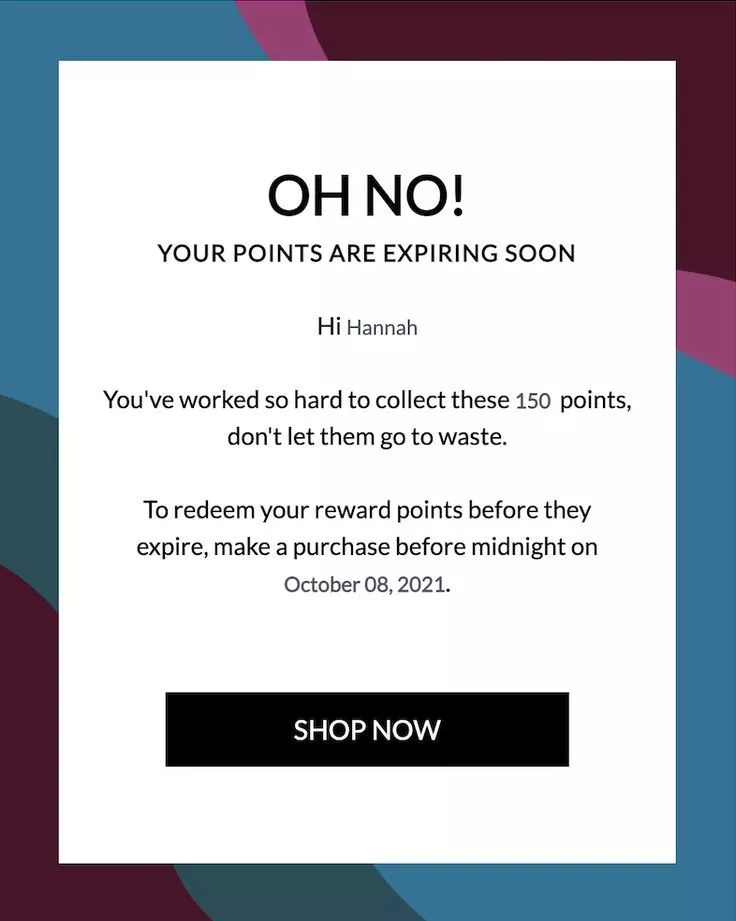
And the next one is going to be, you know, "your points are expiring soon." So there's no quantification, and so my brain thinks, “Okay, this is one of those.” But what you really want to do is quantify it.
So in this case, "Still thinking it over? In 3 days, this deal is ending. So this is it. This is the last time that you know — last couple of times we'll remind you about it, then it's over."
The other thing you could do with temporal reframing is make your shipping look a little bit better.
Like, I remember working with this brand that does bags, and they manufacture those bags on US soil, but also some of the bags on Mexican soil.
And so one of the key challenges they have is they keep running out of stock because these are handmade bags, and they would — because they would run out of stock, they would just be a sitting duck.
So we did some temporal reframing and we said, "Hey, we will never go out of stock again. It takes us 15 days to get back in stock." And so we permanently made the site appear like a handcrafted ordering site.
So now it was like ordering a Porsche. I don't know if you know what the Porsche ordering experience looks like. I don't own a Porsche. I hope to own a Porsche, but I'm one of those, you know, petrolheads who would go to the Porsche site, configure the car, you know, go all the way till the booking amount screen, and, you know, just then kind of check out.
So my dream spec of a Porsche, as most petrol heads have one, you know, has that whole experience associated with buying the car.
So that makes you feel like the car is built for you, which is the case with Porsche.
So, in the case of that bag store, what we did was: we said ‘made to order for you’. And so the moment they would go out of stock, we would change from buy now to pre-order or buy now to place an order.
And that would essentially mean that we will build the bag for you once you order it. And that made it that much more special. The conversion rate was the same as the buy now button. And it made a lot of sense for the brand. So that's temporal reframing for you.
2. Endowment Effect Activation
We’re going to go to the next one. This is something that IKEA benefits from a lot.
Endowment effect, right? So this is if you make someone invest in you — the product, the process, the experience — they will feel invested, and so they will think that it is theirs, and it would make a lot of sense.
This is true for Korean barbecue. This is true for hot pot if you've been to one. This is true for all of these experiences where you are being made a part of the overall outcome.
Like IKEA, for example, sells, you know, dismantled furniture. So you take it back, you pull it together, it's a whole thing. And then, you know, because you put it together, you are a little bit more attached to the product. You reacted a little bit more than you would in the other case.
So, how you could create that in the online shopping universe is by allowing people to do something. You know, it could be bundling the products together. It could be, you know, picking — like the moment they enter the site — picking their gender or their preference in general.
Doing any kind of filtration or setup-related, you know, experience that allows them to invest into the shopping bit a little bit more.
The other way that brands do that is through trials. Warby Parker is famous for doing that as far as I go. You know, you get five pairs at home, you can try them on, and send them back. They can do that. They were disrupting, and raised a lot of VC money. I don't expect you to do that.
What you could do is: see if you can add a call to action on the product page, saying, you know, "See it getting tried on" or "See how it looks," and then load up a user-generated content experience.
One where actual humans, real users or customers — which you might or might not have found on Fiverr — are unboxing the product, wearing it, trying it on, figuring it out. So what that allows you to do is create a setting where people are investing that extra minute to evaluate the product.
Although later on I will also talk about why you don't want people to do that, but we'll talk about that when we get there.
The other thing I want you to do is slowly learn copywriting.
And I think it's easier now than ever. Gemini, Claude, ChatGPT — all of those robots can help you write slightly better copy if you're not a copy wizard already. But generally speaking, you want to keep things a little bit more interesting.
So instead of, for example, "Improve your skin," you know, if you're talking about benefits, you want to talk about what exactly you're delivering. I'll show you some examples of before-and-after copies as we talk about in this discussion. I think it's four or five, but that will truly tell you what I mean by copy.
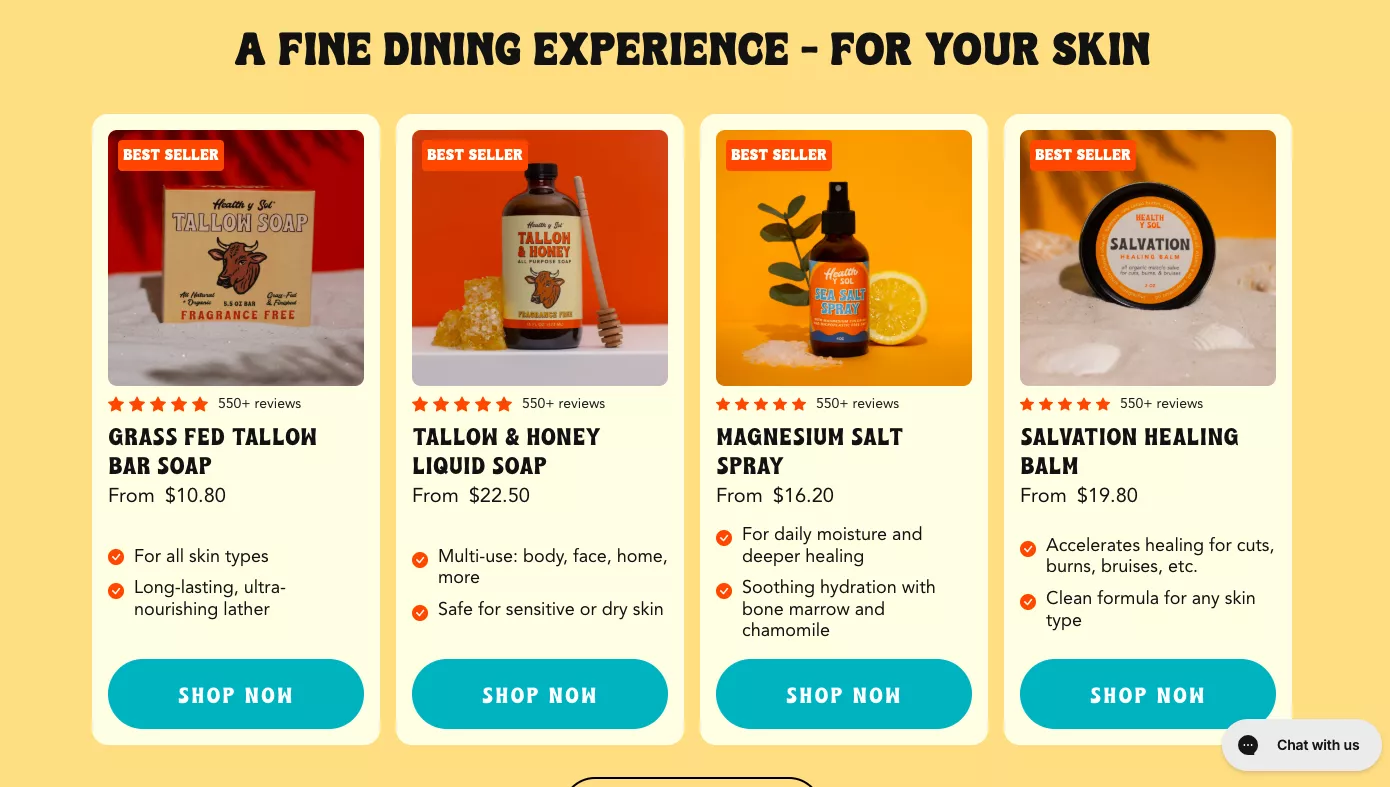
Now, in terms of CTAs — add to your cart, complete your order. Very simple stuff here. If you look at this one, for example, "a fine dining experience for your skin," right?
So what you're trying to do is you're saying these are premium products that are, you know, ordered à la carte and, you know, they are similar to a fine-dining experience essentially.
And if you see the word that's common across all of these CTAs is "your." The word "your." And, you know, that's where personalization begins.
As a matter of fact, I've been in marketing and I've been in sales for a while now.
And one of the things we always teach people who join fresh in the team is: “Stop talking about Convertcart and absolutely stop talking about yourself. Just purely focus on talking about the customer.”
So even for people who come and speak with us in the first call that we have with them, we do not sell. We never make a pitch. We only do audits. And so if you want an audit of your store, please sign up. You'll reply to my email, and we'll run a full-blown teardown of your site, and we'll present our findings to you.
3. Reciprocity Loop
Now, let’s go to the reciprocity loop.
In this case, people will generally elicit loyalty — you can elicit loyalty from shoppers, you know, with small acts of rewarding or gifting them essentially.
How can you essentially make your shoppers feel a little bit more cozy with you, a little bit more warm? And what that does is it creates a feeling of indebtedness with your shoppers. And what that feeling does is it urges the customer to reciprocate.
So, how you could apply something like that is to offer genuinely useful things. So it could be, for example, a skincare guide. It could be a free size or fit consultation. It could be a, you know, quiz that can help you find your problems.
Like we used to — we work with a lot of cosmetics brands and we would generally do a quiz that, instead of recommending a product first, helps narrow down on the problem.
So what are your symptoms, right?
- Do you have dry skin?
- Is it oily?
- How old are you?
- Where do you live?
- Quality of the water you use?
All of those things.
And then you finally say, “Hey, this could be your problem or this could be your problem. What do you relate to more?” And depending on the problem they pick is when the product happens.
So now you’ve actually unlocked something new. You’ve given them some new information, and you’ve made their life a little bit easier; in response to which, they will actually go as far as the product page.
They will actually see how you’re trying to solve that problem. They will give you that two seconds of attention that you’re so desperately in need of and are also paying thousands of dollars every month for.
All right, send them really helpful content. So this is actually very, very relatable for me. We just moved to a new place, and router placement was a huge point, you know, just so that my internet works as well as it is working now.
So router placement guide, for example, right? Or an apartment workout optimization guide. So, you know, you’re just trying to add value by creating useful content that everyone, you know, finds worthy.
And I think oftentimes brands mix up generating any content with generating useful content. So what I want everyone to prioritize is even if you can publish just one piece of content a month, it has to be absolutely amazing, laser-focused on your ideal customer profile, and extremely useful for them.
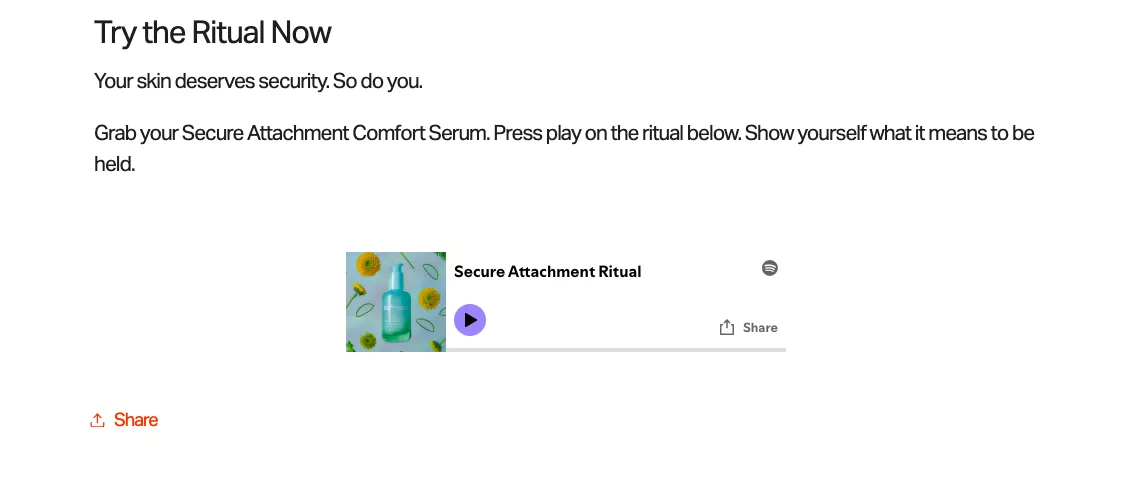
And then, of course, handwritten notes create magic. So, one of the things that I feel that a lot of e-commerce founders still don’t do — which I’m not a big fan of — a lot of founders still don’t write direct emails to their customers, right?
And that’s not great. That’s a very important practice, similar to the newsletter that I send. You have to converse directly with your customer. Nobody can pitch the product better than you. Never.
And so, you have to try and do that. In this case, you know, the examples that I’m talking about are a free gift and a personalized video.
But I think a great place to start would be just saying, “Hey, I know you were checking out our product. We spend a lot of time and effort in putting this together. I would love to know what you think about it.”
And just give them a few CTAs. Instead of asking them to reply, just say, “I thought it was pricey.” “I think it was great.” “I completely forgot about it.” “I didn’t need it.” etc.
And then they click a CTA to tell you exactly what the response is. You can track the clicks in whatever you use for emails. If it is engaged, we’ll track the clicks for you, and that gives you insights. Plus, you’ve sent them somewhere. So that works really well.
4. Consistency Laddering
Consistency laddering. This is an interesting one. This is about buying, getting micro commitments, you know, before asking them for a full purchase. It's an age-old concept. I'm not saying anything new, but I wanted to think about this in a slightly simpler way.
So, like in this case, adding to the wish list, joining the wait list, or taking the quiz is obviously an easy way to do that. But the other thing is, after they've done that: what is the next step that you want them to do, right?
So, instead of asking them to buy — as I said before, they've taken a quiz, they've done something — and you're saying, "Hey, if you now want some savings, why don't you create an account?" "If you want early access to favorites, why don't you do that?"
So I think that goes a long way. You've actually just gotten them to sign up, and if somebody's giving you that much time–
—And they are in the consideration part of the funnel, where they're just thinking if they want to buy the product or not (at least you have their details), so you can do a browse recovery or a cart recovery, and so forth.
So, I think that would be phenomenal. After that, you can always bring them back using an email and SMS saying, "Hey, your wish list is ready," or "You've unlocked your first reward — keep going," etc. So you could build streaks — it becomes product thinking.
5. Zeigarnik Effect
After that point, we are at number five. So, Zeigarnik effect. So, this is another interesting one. Incomplete tasks are discomforting, right?
The brain fundamentally does not like open loops, and that's true for all humans. So, what you want to do or try and do is: leave a loop incomplete for your customer.
I know it sounds a little manipulative, etc.—but I think we are all here to learn. So, let's learn the concept and use it in a way that's constructive for both us and our customers.
Now, in this case, for example, you're not actually doing a quiz. You're only saying, "Hey, you know what? I had a quick question.
What's your skin type? Is it, you know, what's your hair type, maybe in that case?" So is it straight? Is it wavy? Is it curly?”
And the reason what you try to do is: if it's left midway, you can also stop them.
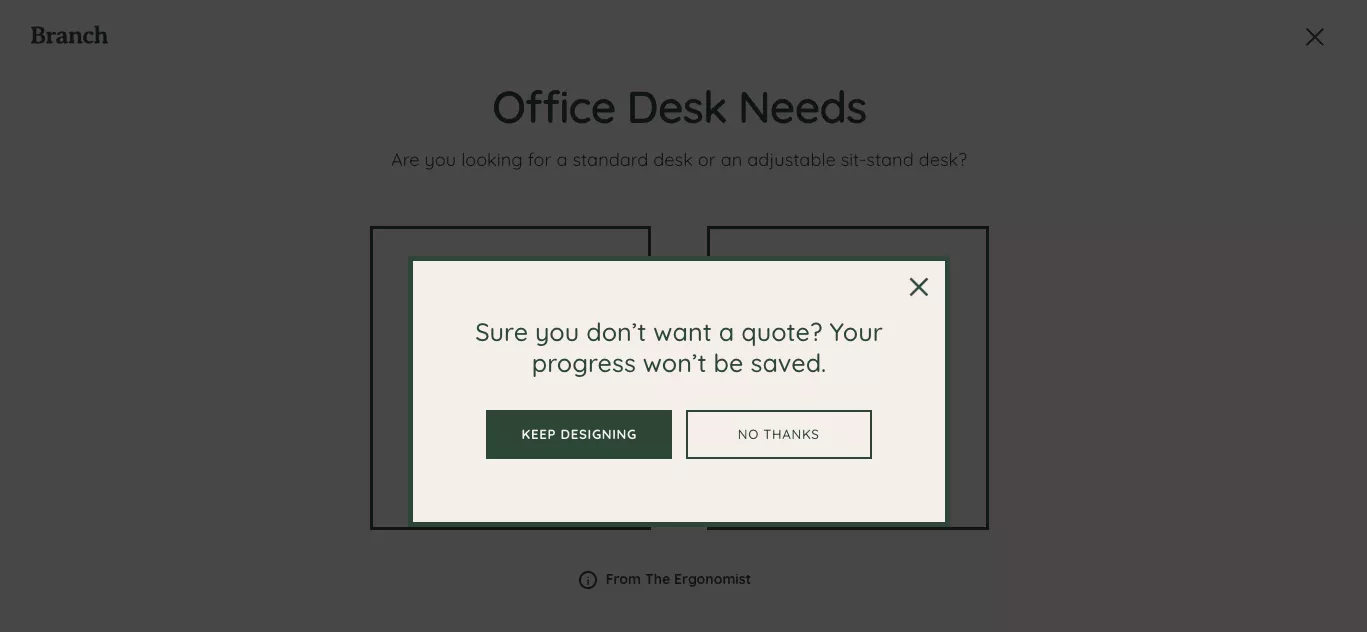
You can also do an exit intent pop-up. And I don't know why stores don't do this. It's the simplest thing you could put together in a store like yours, and just avoid at least, you know, a certain percentage of the bounce that you get.
So in this case, for example, say, "Sure, you don't want a code? Your progress won't be saved.”
And then of course you can send a series of emails. We've identified key areas that affect our skin health, and then also create anticipation for the next one. So, what we generally do for browse abandonment, when we set it up for our customers:
The first one is, "Oh, you left this — did you know this about it?"
The next one is, "What we're going to tell you tomorrow is going to be even better."
And then we send them another different one.
But if you're not pitching the product, we're just adding value. So the email has some fundamental value to it. They won't feel bad.
They won't see it's an offer email. They'll see it as an email that is giving them good information.
But it has to be very useful.
You have to use it with caution; excessive reminders, creating artificial urgency, sending a timer, your life will change — all of that is not going to happen.
Keep it simple. Keep it classy. Think about your brand as an individual and behave like you want that individual to behave.
6. Semantic Priming
Okay, semantic priming — now this is what I was talking about earlier.
Sometimes in marketing, most of the time, you generally don't want people to think, okay? There is a, you know, brain generally has two systems — system one, system two. There's also a phenomenal book called Thinking, Fast and Slow, which explains this in amazing detail.
I promise, if you read that book, it will level you up for life, for good. It's a phenomenal book.
But what I'm trying to say here is system one is quick, it is unconscious, it is instant. It is autopilot, right? And system two is rational. It takes time; it thinks; it evaluates; and then acts, right?
So, when you're at McDonald's and you add a burger to your order, and then you add those nuggets, and then you add a sauce — a 50-cent or a dollar sauce to your order.
That 50-cent or a dollar sauce is normally your system one, allowing you to do that. If you're really hungry, there is no system two.
If you're really hungry and you're ordering at a McDonald's or a Popeyes, it means full system one. You're gonna go crazy. You're going to have two burgers, three fries, two nuggets, and whatever. So you just basically go crazy.
Point is, as a marketer, you have to find a way to appeal to system one in the most effective way possible.
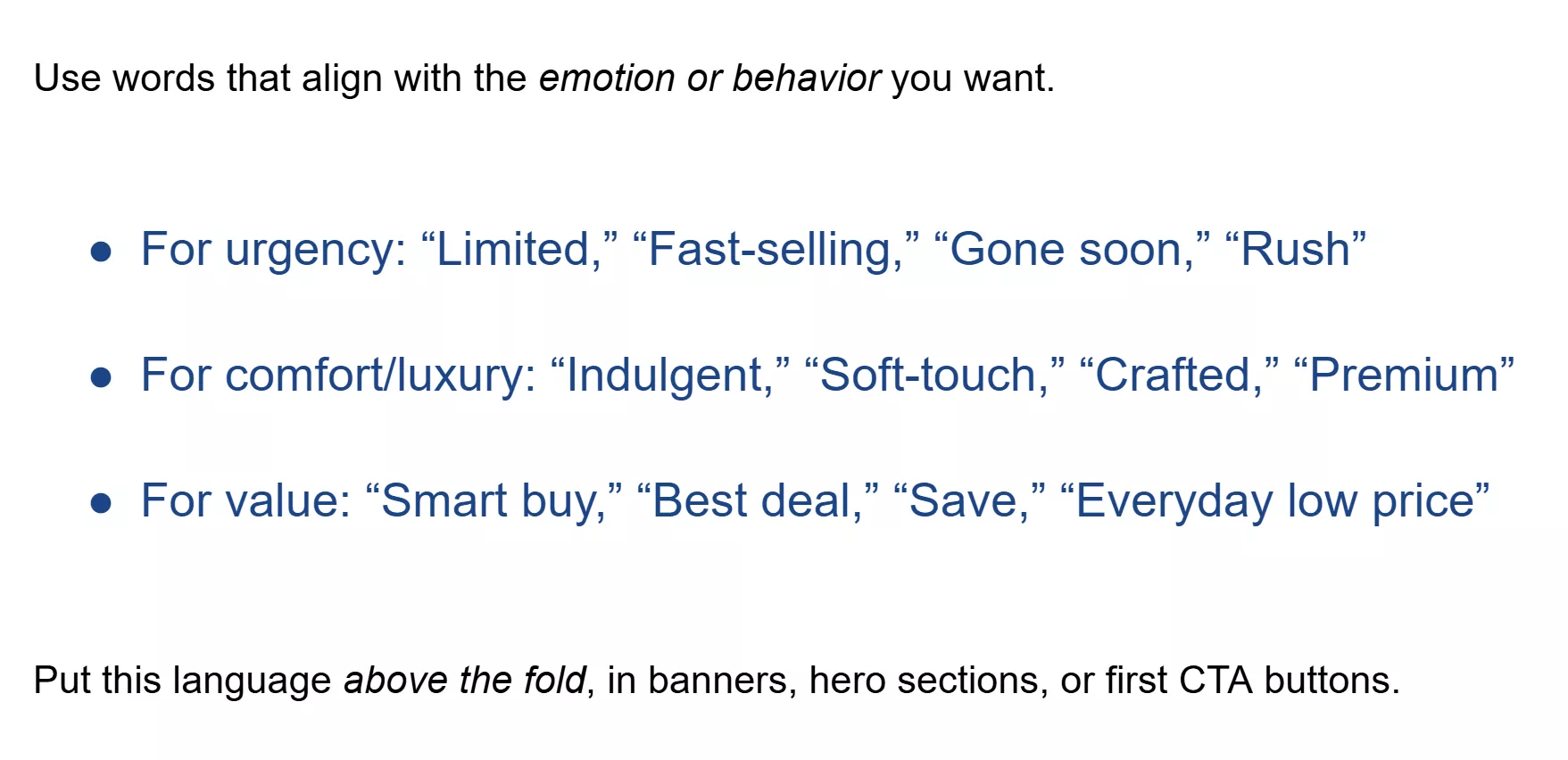
So, the first thing — and it works. If you're not doing it, give it a shot. If you want to A/B test, talk to us. But all of the language that you use matters, right? These are some cliché words that I've put here. I want you to pick wisely on the basis of what you want your brand to look like, right?
The next thing is, of course, priming through the category name. So this is again a fantastic example of how copy can change the game.
So instead of "budget basics," use "everyday essentials." Instead of "top picks," use "curated finds." Instead of "personal products," use "self-care must-haves," right? So you are in a way pitching while you are labeling.

I'll give you an example. Recently, I was looking at a real estate ad, and instead of having a boring form that asks for my phone number and email ID, and whatnot, it asked me a very simple question. That was the first question on the ad.
It said, "What made you click on the ad?" Or, "What made you invest in XYZ, the location that the ad was for?"
And the options were phenomenal. The options were, "I'm looking for 8% plus gains in capital gains," "I'm looking for high rentals."
I was like: “This is great!” Even through the questions and generating the lead, they're pitching. And so, that was great.
That's how you prime, you know, a user and try and keep them in the first brain.
What they're doing is from the ad to the form — if I'm switching to logic and thinking these people are going to spam me, they're stopping that from happening, and that's phenomenal, right?
Use visuals that prime the shopper's imagination. For example, don't just show books on a shelf or a book, right?
Show the book sitting next to a tea with a candle. When you are selling plush fabrics, show them on skin instead of folded up. Show them zoomed in.
I think those things matter a lot. Also, try and explain the feeling because people generally imagine how something will feel; they imagine into the future.
So you have to bring that future to them instantly using images and copy, and that's what will keep them in system one.
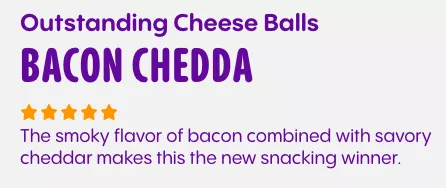
Press mentions are a fantastic way to do that. Quoted accolades are even better. "The best volumizing tubing mascara — one swipe will get you a natural look while a second swipe gives you lash extension-like results."
For instant pitch, there is no doubt that this is a brand that people like. You're just going to pick the one you want; you're not even going to think about whether you need it or not.
7. Effective Forecasting
Let's go to the next one. Effective forecasting. So this is an extension of what I just said. You have to let people predict how they're going to feel in the future.
And generally, what people try and do, for example, if you were standing in the Apple store and you're looking at the iPhone 16 Pro, which looks like the 15 Pro, which looked like the 14 Pro, which looked like the 13 Pro, you're generally thinking, “If I buy this, will I regret it?”
So most people are risk-avoiding. They're regretting avoiding. They are just not trying. Instead of making a good decision, they're consistently thinking of avoiding making a bad decision. That's generally how people do. And so what you want to do is show them how the product will feel later.
The first way to do that is to emotionally charge the prospective future you are showing to them. Right?
Imagine walking into the weekend feeling 100% organized. Right? Imagine having no laundry to do. Right? Sleep like a baby. Stress-free and pain-free. Feel instantly put together the moment you slip this on. Right? So you're like, "This is brilliant."
The thing is, the marketing world is extremely noisy and it's extremely crowded. So, just thinking that you will say this and it'll work will not work alone.
You have to visually present it, and you have to do a fantastic job of placing it in the right place at the right time for people to actually notice. That's why experimentation is important.
The other thing is, even with the testimonials, you have to talk about how someone feels with your product installed rather than just facts.
"This planner has totally calmed my anxiety" — nobody pitches a planner for anxiety; everybody talks about the quality of the paper.
It doesn't matter; the outcome matters; the benefit matters, right?
"I felt so confident wearing this to the event."
"The scent makes my morning routine feel luxurious."
Right, so that is the part of the brain you're trying to activate. I hope I'm driving my point home. If you have any questions, please let me know.
Use emotion-driven product descriptions. Your product description is probably the most underrated part of your product page.
If you think people don't read it, you're wrong. Your most important customer, who is giving you that extra minute, is reading it. And so, it's that much more important.
It's like you have a store. There are people who walk in about five or seven feet into the store, look around, and then leave. And then you are just continuously optimizing for those people. That's not the point.
You have to optimize for people who walk up to the rack, touching the product, looking at it, looking at the price tag; that's the person you're optimizing for. That's the person you would go and ask, "Hey, can I help you in any way? Is there anything specific I can help you with?" Right?
Instead of, "Made from organic cotton, soft on your skin, softer on your conscience, we're 100% organic," right?
So, you are just trying to make an effective pitch. “Battery doesn't last 10 hours. It stays powered all day without worrying once.”
So that's how you want to kind of, you know, communicate this.
Let's go to the next one.
8. Effort Justification
Effort justification. If they had to put an effort to get it, they would generally value it more. And this is very similar to the endowment effect that I spoke about earlier. So I'm going to dive into this.
Let's get into the first one.
Start a social media name-the-product contest. So this is a very quick hack. We just added it.
So the thing is that how do you get people to give you or put in some effort, and the way to do that is to have them invest. So if you have a social media community, why don't you invite names for your products by your customers if you have that kind of following?
We've seen this being done once. It worked very well. We have more than 10,000 name suggestions. Everybody felt invested. There was a kind of, you know, if it's a high-value thing.
You know, we also did a discount for the first 100 entries, something like that, and it kind of felt very interesting to people in that way.
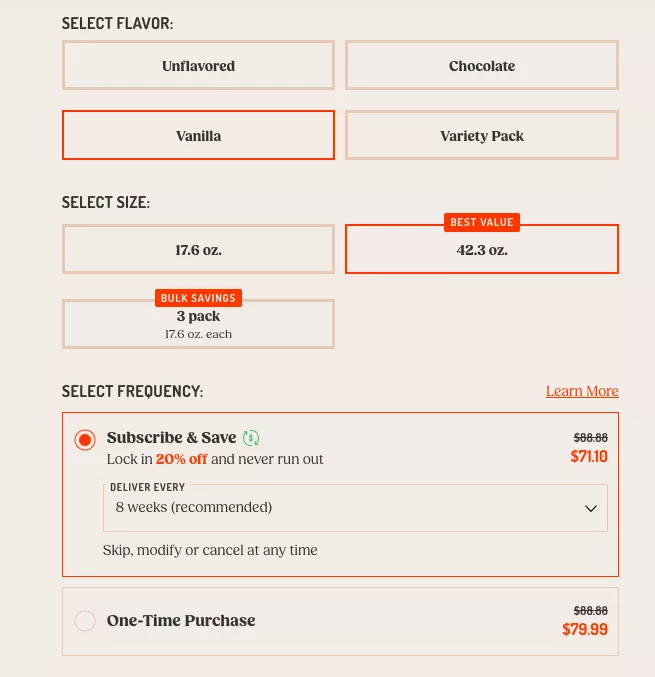
Get shoppers to build something. I've spoken about this before, you know, and instead of building your own bundle, it could also be kind of picking your preferences.
Brands that do this very well, for example, you know, nobody was configuring their cars till Porsche came around.
Porsche was the first one, but nobody was doing that for not-so-expensive cars. Porsche, I mean, how many people even visit the Porsche site?
It's not very high. So, at the moment, this is true for Tesla. It's true for everybody else as well. You really can't configure the car, but you at least invest yourself in building it and putting it together.
So you pick the car, you pick the wheels, you pick the color, you pick the driving mode, and it feels like you're building it, but you're not. You're really not.
The traditional way of buying the car was, "Hey, I like this car. I'm going to walk up to the dealership. Okay, this is okay."
And then you sit down at the table. You work the math and you say, "Okay, what are the options?" That's how it was done. And it was broken because people were not feeling invested.
Now the car-buying experience has completely changed. And that's — that's, I think, a better example of how this works.
I think I already spoke about how user-generated content has to be emotional.
But in this case, I'm saying after your customers have received your product, ask them to generate content with it and give it to you in exchange for something.
“So show us your setup: goals, desk accessories.” If you're selling desk accessories — “wear it and kind of send it to us.”
If it's pet products, “Send a picture of your dog”. I think that goes really well. It makes for the most trustworthy content you can put on your site.
If you can show 50 people, 50 dogs eating the dog food, I'm going to try it. There's no doubt that I'm not going to try it. Right?
And if it's the kind of dog that I have, even better. So you're personalizing. So you've asked me if I have a Labrador, or a Rottweiler, or a German Shepherd, and I'm on the product page. It says this is perfect for German Shepherds.
Amazon does this for automobiles. If you're looking for car covers, Amazon at some point would have asked you what car you have.
If you have a Honda Civic, it's going to tell you this will fit your Honda Civic perfectly.
And it makes you say, "Hey, fantastic. This person not only knows what I want." They're also making sure that it's going to fit me. And so I think this is the — it just, you know, it just completely transforms the way you look at the purchase experience.
And then tie the purchase to a cost. We have had a client for a long time who sells yoga mats.
They plant a tree for every yoga mat somebody buys, right? And the yoga mat is like $120. So, it's not like a cheap yoga mat.
But the thing is, it's totally worth it because I could actually plant — if somebody can plant a huge tree for me, I would pay $120 for just the tree alone. Forget about the yoga mat.
And so it's such a huge reward in exchange for the purchase that it makes the price feel smaller, and that's fantastic, right? All right.
9. Omission Bias
Omission bias. This is one of the biggest things. Warren Buffett said that the biggest mistakes that he's made in his career are not the mistakes of commission. They're the mistakes of omission.
Meaning it's not the mistakes that he made or stocks that he purchased, and they did not grow or went wrong. It's the one that he did not do. It's the things that he passed on and said no to that were the worst ones. Right?
So generally, as I said, people think that they will regret it if they buy something:
They'll probably pick the wrong variant.
It will not look nice.
It will not fit well.
It will not look presentable and so on and so forth.
And that creates this omission avoidance where they keep shunting between “I need it”, “I don't want it”, “I want it”, “I don't want it.”
And so you want to kind of beat that.
And the way to do that first is to reduce the fear of taking action. I don't know if your brand is doing this or not, but you have to find a way to do it.
You have to make the math work. Free returns, money-back guarantees, cancel anytime, get a refund.
You will create trust in an unmatched way. I know not everyone can do this, but you can maybe do something equivalent, right? If you don't like it, you know, we'll refund some part of the money that you paid us or something along those lines.
I think you can think about this for your own brand. If I were talking to you directly and I knew what brand you are, I would give you a suggestion specific to your brand.
Highlight the risk of inaction.
“Are you still dealing with back pain? There are only three left, so you might regret it later.”
Every day you wait, you lose conversions.
Every day you wait not working with Convertcart, you lose more conversions. You've lost 20 orders just today because you were not working. So that's really what you're trying to kind of do.
Why wait to feel better, right? So that there's some default hesitation, and that's generally what people also do with CTAs — they make the CTA the anti-hesitation. So, you know, "Start your glow up today," and so on and so forth.
Create low-stakes first steps, right?
“So take the quiz, save the wish list, and book a free consultation.” “Not sure, save the cart.”
If they have it in the cart, make sure your cart is around when you come back. Next, "Do you want to keep this for us, you know, for 24 days? Do you want to save this? This product runs out of stock really, really fast. Do you want us to save this for you for the next 48 hours?" Right?
So it's one of those, "Hey, can you keep it? Do you mind keeping it under the counter till I'm back?" That kind of stuff. So can you create that!
And then finally, social proof, right?
“Join the 20,000 people who made the switch.”
In fact, this is one of the best ways to get some. So if you're running a fashion store, for example, the easiest way you can create trust because the number one discomfort with fashion is fitting. It's how it will look and fit, right?
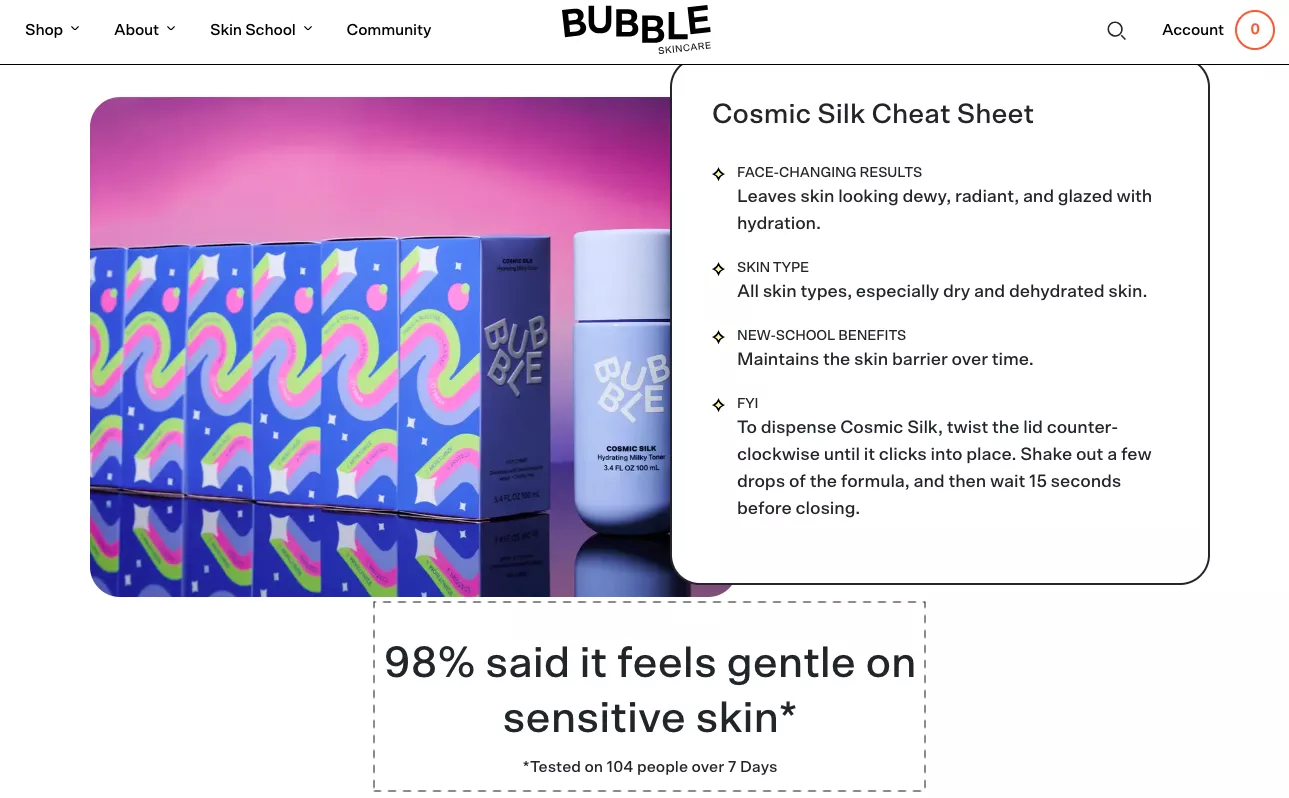
And returns are a hassle. Then you have to find it. In some cases, you have to actually be the one querying back. So it's kind of a pain. And so the easiest way to create trust is, "Hey, 98% of our customers say that this fits perfectly."
Example: if you have a model using the product in the picture, tell the height, the weight, and the base size of the model so that they can imagine what it looks like on a person of the exact size that you're showcasing it.
Perfect. All right. So, we go to the next one.
10. Cognitive Fluency & Simplicity
This is the last one.
This is a very easy, very simple concept. And if you want to take away just one thing from this discussion today, it is this — conversions sometimes, a lot of times, don't depend on the things that you add to your site. Your conversion rate can skyrocket if you just start removing things instead.
So cognitive fluency is — just keep things simple.
Things that are easy to understand, process, and navigate are generally easy to trust, enjoy, and purchase, and people feel that it's the right thing.
And how you do that is: first, make the shopping journey seamless. Use drop-downs only when needed.
Too many carousels are not going to help. Clear CTAs, not too much selling, easy filters, and no unnecessary steps in the checkout.
This is basic stuff. As a matter of fact, do this. Go through all of the JavaScript that's on your site. I'm sure you've added 10 different apps over a period of time, and then you removed them.
Check if you already have some of that sitting around. Is it hindering any of the pages?
Visit every page of your course — if you have too many SKUs, you can't do that, but visit every page template of your site.
And I think you will find things that you can take away that don't really add any value. They just either confuse people or give them information they don't need. And I think it's extremely important to do that, right?
You have to — what do you say? Marie Kondo your website. If you don't know who Marie Kondo is, look it up.
But yeah, repeat familiar patterns.
Cart is always in the top right. The search has to be prominent and visible, and sticky. The heart icon is always there for wish listing. Star ratings just below the product title. Price just below the star rating. Hamburger menu or three lines is always there.
Change, but don't transform because you are not leading that pack yet. You know, the moment you become Amazon, you can actually transform the way people shop, and Amazon is actually not doing that — they can, but they aren't, right? The thing is, things that are familiar – that are fluent are the ones that are frictionless.
So in this case, for example:
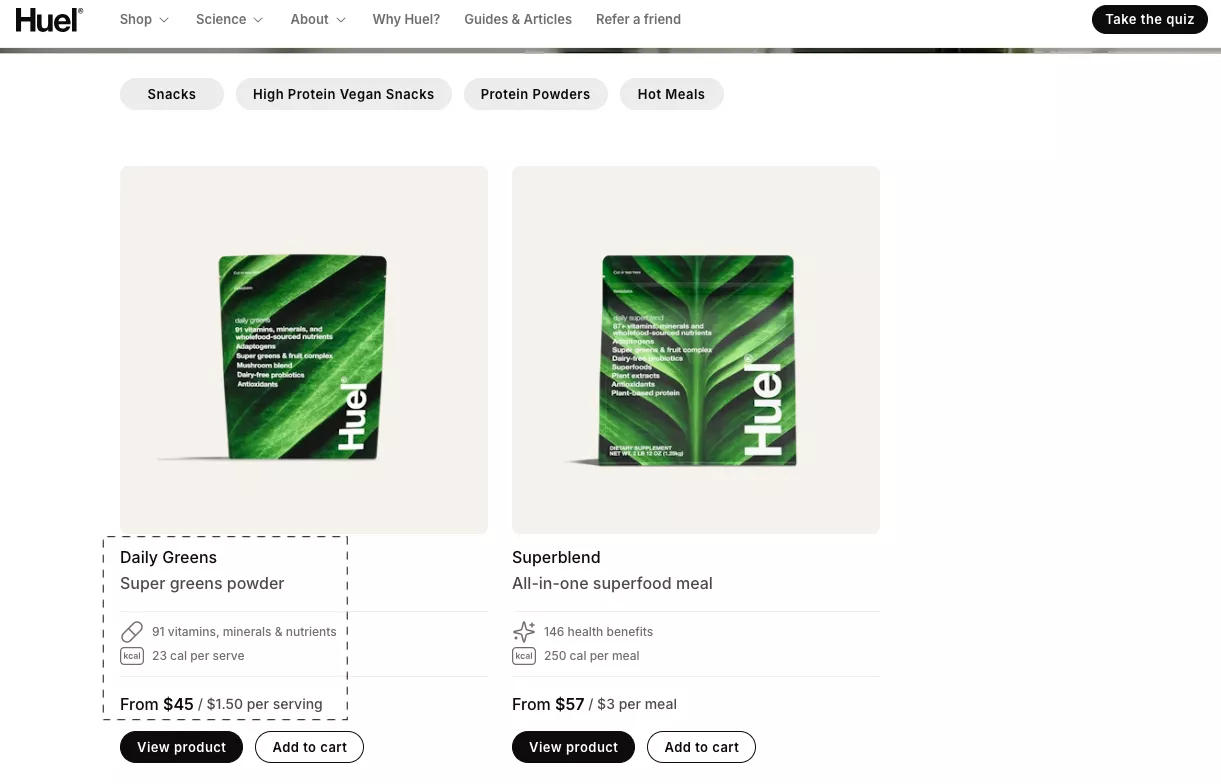
Extremely simple daily greens — super greens powder. 91 vitamins, minerals, and nutrients. 23 calories per serve.
It's $45 or $15 per serving. As simple as that. This simple snippet explains absolutely everything you need to know. The only question you could have is ingredients, safety, all of those things, right? Which they can solve.
Actually, if they just put a picture of Andrew Huberman next to this, this would automatically explode.
But I'm just saying that keeping things simple is the most important thing you can do with your site after everything that I've said today. If you want to take away one thing, that's the thing. Take things away. Don't add.
All right, perfect. So that's everything that we wanted to walk you through today. Thanks so much, everyone. Thank you for joining, and I'll see you in the next one.
Get Fresh ideas to boost your conversion rate
(stuff that works for hundreds of stores)
Request a Free Site Audit"Convertcart’s Audit Report was deep and insightful. We never thought they would spend so much time in building and sharing such insightful content, free of cost."


Logan Christopher
Lost Empire Herbs