On-Demand
eCommerce Growth Blueprint 2025
eCommerce is exploding as we talk.
New-age AI tech is taking over. Virtual try-ons and chatbots are all the rage.
From the outside, it seems that technology is the answer to all ecommerce woes.
But the pertinent question here is - what do customers care about the most?
All new tech kept aside, shoppers still care the most about receiving amazing customer service.
2025 will be less about fancy tech and more about the user experience.
Stores that focus more on building stronger connections with customers will win in 2025.
eCommerce stores will need to hack their way to delivering great customer experiences.
And this is what we are discussing on the 12th of December.
How to grow 2X faster - by building positive shopping experiences - without spending a bomb.


About the speaker

Shekhar Kapoor
VP, Marketing
Convertcart
Shekhar Kapoor (VP at Convertcart) has worked with 500+ online brands, including Squatty Potty, Prep Expert, and USA Hockey Assn., and helped them boost sales exponentially.
Shekhar Kapoor
VP, Marketing
Convertcart
SESSION REPLAY: ECOMMERCE GROWTH BLUEPRINT 2025
Thanks so much for making the time to speak with us and to join us for this webinar. I’m so glad that all of you could make it. What we want to do today is a little bit different. Apart from sharing fresh ideas with you, I want to be able to figure out a way for you to implement them on your store. So we’ll try and keep it interactive..
Generally speaking, the goal of doing this is: this is a very busy period of the year. I know for a fact that although we had a lot of registrations, it’s very hard to make time to put enough effort into the next year, because this month—this week itself—is super busy. And I’m sure everyone is gearing up for the next wave of sales for Christmas and New Year, and so on.
And while you do that, I want to walk you through some ideas and bets, which are a mix of long-term and short-term. So as I walk you through them, I intend to also share ways in which you could leverage them in a long-term way, and try and at least implement some of the stuff that I show you today—ideally before Christmas—and then see that lift in your conversion rate or even the way your traffic behaves on the site in general.
Alright, without further ado, let’s jump in.
Why 2025 will be very different for eCommerce stores?
So the whole idea of looking at 2025 was that I think it would be an understatement to say that we are going into an extremely different year compared to the 2024 that we were getting into. And I think there are a few different things that make it very different.
The first is, of course, the government change in the United States. I know we have a lot of US attendees today. We also have UK and Europe and all that. But I think the United States government change, the economy, the way the market is going to react to that, is going to be a little bit different from how it has been. So that’s one.
The other massive change is the ease and access with AI. Creating content, publishing it—and that’s just the tip of the iceberg. There’s so much that AI is going to do in the next 6 to 12 months, it’s not even a joke. It has completely transformed how we look at hiring people, how we look at working on ideas that we have, and so on and so forth. So I think it’s a fundamental tectonic shift. We will not touch upon AI-related concepts today, but I just want us to be on the same page about how 2025 is going to be very different.
So while we understand what’s going to be different—right, Google is getting disrupted. Search is going out of the window at some point. There are new competitors, new players like Perplexity and whatnot. So you have to figure out how you optimize your business for that kind of stuff. And there are tons of changes that are happening.
There are also some things that will remain constant, which can never change. Jeff Bezos from Amazon, for example, has said this several times: as a business, you have to invest in things that will never change.
Generally, people try and find a way to differentiate. They try and find opportunities of things that will change or are changing in the next 10 years, and can we capture that wave, and then so on. But the counterintuitive thing—and the obvious thing—to do is: instead of betting on things that you know are changing, why not bet on things that you know will never change?
And so what he says is, for example, to make sure that they do that, Amazon spends an insurmountable amount of money on things that will never change. For example, your customers will never say, “I want more expensive products.” If you can give the customer a product at the best possible price, you are already winning. And so any amount of money that Amazon invests in that pursuit will pay its dividends many times over.
That same thing applies to shipping, for example. That same thing applies to how you drive traffic. So I think while there’s a lot that’s changing—there’s AI, the e-commerce blueprint itself is getting rewritten because of that—and I’ll talk about that, I’m happy to share my thoughts about that as well.
What’s not changing is:
- how your customers think,
- how they look at your brand,
- what you can change about that. For example, the value that you provide to them. The fundamental needs of the customer.
Those things are not changing.
And so if we can just lean in on that, if we can be a little bit more insight-driven, we can really unleash the true strength of whatever business we are trying to build. Whether it’s a simple T-shirt store or someone who’s selling power tools—we’ve got a wide variety of people who will be showing up today.
But I think it’s important that we acknowledge that there are some parts of the business that make you stronger. So let’s focus on those.
1. Simplify product discovery
I’m going to get into the blueprint. Again, the blueprint is essentially a few ideas and a few new ideas that people would like for you to implement, and then I’ll talk through how you can try and bring it into the business.
The first one that we want to start with is: commit to solving product discovery on your site.
A lot of the traffic that is coming into e-commerce sites at the moment is entering from the product page. And the assumption is that because product X created demand, it is also what will convert that demand. But that’s not true.
The reason I say that is because your highest converting product could be different from your highest or most popular products. And also, if you have more than 50 SKUs, we track a metric called TTP, which is Time to Product. This is how long it takes for a customer to find the product that they finally bought.
So you would essentially look at all your conversions in a silo—everybody who actually bought in the last 60 days—and then look at how much time it took them to reach the product before they decided to buy it. That will tell you the time that a high-intent customer is ideally willing to spend with you before they make a purchase.
Some revealing things that we’ve found when we do this analysis for our customers, for example, are that people who are converting and transacting are spending maybe less than 90 seconds to actually land on what they want. They decide, and they just move on.
And the business, on the other hand, spends an insurmountable amount of time on everyone else. There is so much time being spent on the first 30 seconds—people who are coming in new and figuring out a way to opt them in and all of those things.
So I think it’s extremely important that you track the right metrics as you put your 2025 plan together. And while you do that, simplify product discovery.
Generally speaking, as far as search goes, people who use the search bar on a site convert at least five times better than people who don’t. And that’s a fact. That’s a fact because we’ve seen thousands of analytics reports and hundreds of sites that we know and that we’ve optimized. Convertcart, for context, runs about 10,000 experiments a year. So we have a mountain of data about knowing what works and what doesn’t.
So the first thing—and the most important thing—is to make sure your search is really visible. It’s really interactive. It immediately helps you find the product. It works for bad spellings. It works for keywords that are not even a part of the product—they could be sitting in the description, for that matter.
The second thing is making sure your navigation menu makes sense. It’s best that you ensure there are big buttons, visualization wherever possible, and you’re able to do that.
And also ensure that you’re not taking too long to show customers what they’re anyway going to buy. What I mean by that is: Pareto principle applies to every business in the world—20% of your products drive 80% of your revenue. There is no reason why you should have the customer do a round of the website and look at the remaining 80%. They’re going to come back to the top few that matter. So best sellers, prioritize the basics, and I think it’ll automatically take you to a good place.
The second thing I think people are not doing well enough is: generally, when a website is getting set up—and I usually see this for businesses under the 100K traffic mark—they take time to realize that they are a shop and not a website.
The classic website layout is: Home, About Us, and then there’s a Shop button somewhere, and then everything else. And I take a huge issue with that because you’re not a website. You are a store.
For example, Amazon does not have an About Us section. And that’s a mega store. It’s the biggest store on the Internet. It’s the biggest store in the world.
So at a fundamental level, the point I’m trying to drive home is: think of your store as a shop. And you’ll realize that as you physically walk into a store, you see some clearance sale items, you see categorization instantly visible. If you walk into even a big-box store like Costco, categories are available and visible to you instantly as you walk in. If you’re looking for Home Improvement, you just walk into that section. You don’t spend time absorbing and understanding vague information trying to sell you, “Hey, this is the brand, this is the story.” And we’ll talk about story also as we go.
So let’s go to the next one.
2. Sell through Ambassadors
Sell through ambassadors. If you can afford to do it—which means if your cost of acquisition is below 20% of your lifetime value of the customer—these are again very important metrics that I want to make sure you add to your blueprint.
Your cost of acquisition is your total cost of marketing, including the people you have in that team, the vendors you pay, the agency, the ad spend, all of that, divided by all new customers you acquire in a given month. How much money do you spend on acquiring, divided by how many customers you acquire. So if that number is reasonable today, then you should spend some more money and bring in ambassadors to your brand, and then build the brand with them.
The reason we use the word “ambassadors” here is because normally, I see brands doing very high-level, superficial influencer campaigns, where someone just randomly starts to talk about this amazing skincare routine and how it’s amazing. And the reason that doesn’t work is: it works for a spike in demand and maybe traffic, but it doesn’t work to build the brand. Because trust is a long-term game.
If you meet someone on the street and they say, “Hey, do you want to do business with me?”—if you’re somebody who is an extrovert, you might just indulge them: “Okay cool, tell me what kind of business you want to get into.” But would you trust them? No. You wouldn’t trust them probably in the first year of doing business with a stranger. And so trust gets built over the years, but it gets broken in a second. So if you do extremely transactional influencer marketing, it doesn’t work.
What I would recommend is—and this is an exercise I’m going to ask you to do anyway—is create a document of what I call ICPs, or ideal customer profiles. Create a document of Mr. A, Ms. B, and Mrs. C. General people who you think are your ideal customers. Write everything you can about them: their interests, their inspirations, their detractors, what could stop them from buying a product, where they live, what they do, what they eat—everything you can think of.
Just do it. This is something you could do on a flight. The majority of the people attending the call today are business owners, so you’re very close to the problem as well as the people who have that problem.
And once you’ve done that, that will automatically tell you the kind of ambassadors you want. The kind of people who you want to engage with as a brand. And when you engage with them, don’t do the one-off. Don’t do the one-off. Do it over a period of time. Build a story with them.
For example:
- The ambassador first talks about a problem they’ve been facing.
- Then they mention how they were looking for a solution.
- Then they find the solution.
- The second month, they’re now using the solution for a few weeks and talking about it.
- The third month, they are talking about how that solution really worked for them.
- And then so on and so forth.
If you see, for example, every product that you see being promoted by the likes of Joe Rogan—whatever your opinion of him is—it’s a marketing masterclass without a doubt. It generally is promoted on the back of a story. “Hey, I was having this issue—weight gain, or not feeling that well—and then I started using this, and then I felt much better.” And then the following episode it comes up again, and the following episode it comes up again. So there are multiple ways in which that is addressed.
The second thing is: ensure that you’re able to borrow some trust. It’s very hard to do that and expensive as well. But trust, when you try and create it directly as a brand, is a little harder. If you go and engage with a larger influencer, a larger brand, then you borrow trust from them, and you’re able to establish that in that way.
3. Zero-party data for cleaner personalization
The next one is one of those terms that is very consulting-inspired, but yeah: zero-party data. Forrester Research came up with this term. I think it’s a little bit of bloat. It doesn’t need to be called that. It’s essentially just asking your customers what they want. That’s it. That’s zero-party data.
So doing quizzes, selection wizards, etc., I think, is incredible. But one of the problems I see with people doing that is:
a) they’re not capturing the data, meaning they’re not storing it.
So while 2,000 people might have filled in the website quiz, they don’t have a trend. They don’t know what their customer preferences are, even though they’ve had this experience on their site for a long time. And that’s crazy. At least to me, it’s extremely data-driven: if I don’t know something that’s already happening in front of me, and I can’t count it, it’s as good as not happening.
Asking them about their problems—there are multiple ways you can initiate a quiz. You can ask them about a problem they have. You can ask them about the solution they’re looking for.
So you would have to ask yourself:
- Is your customer problem-aware?
- Are they solution-aware?
- Are they solution users, and you are a substitute?
- What part of this spectrum is it?
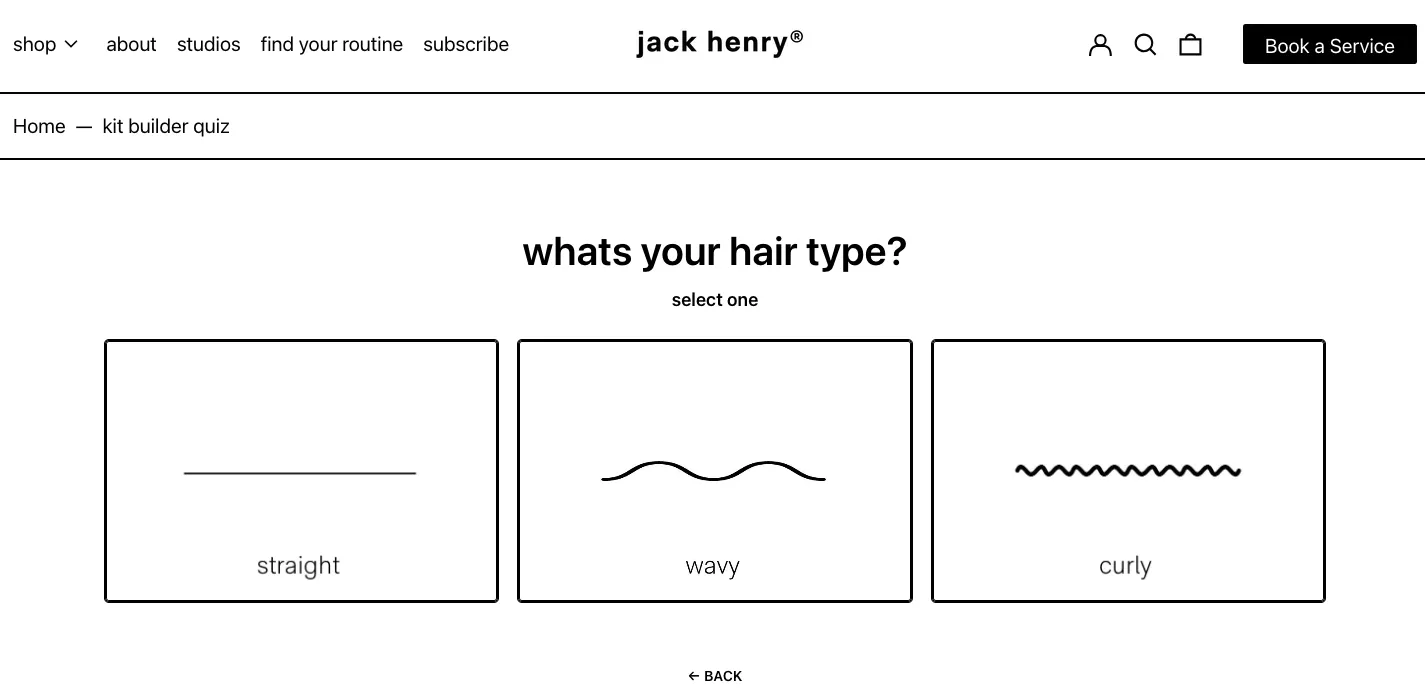
It obviously won’t apply to basic products, like someone selling plain T-shirts, for example. But even with plain T-shirts, you can take things to the next level.
I wanted to show you this example. I don’t know how many of you have seen this brand. I’ve recently ordered something here. This is essentially called Son of a Tailor. And I can order all kinds of products here. I can pick a T-shirt, and as I go to select a size, they can ask if I want to create a custom size or select a standard size.
I can create a custom size, and now they are collecting first-party data. Height is about 190 cm. Age is 32 years. Shoe size is 46. I go next. Now it’s asking me what type of body I have. Then fitting—tight, fitted, or loose. Do you see how the product is changing?
Then I go into creating a size. And this is something they’ve built on their own. They’re obviously a slightly larger company. And they also do a free remake guarantee. So if you get the product, and it doesn’t fit you well, you send it back.
For me, for example, my preference was: I don’t like T-shirts that have sleeves hanging out like a triangle. So I asked for T-shirts that have sleeves that sit on the arm. And that’s how you order a T-shirt—and also collect first-party data.
Now imagine if Son of Tailor has been doing this for a while. They get hundreds of thousands of visits. The volume of data they have—what the consumer preference really is, and how they can use that to continue to optimize—I think would be pretty much mind-blowing.
The other thing is: once you’ve collected a lot of data, you will obviously start to communicate with your customers. There is a very simple option, which is: even while opting in, can you ask them? You can actually ask customers, and they feel like they’re in control, by asking for their preferences in terms of communication.
A very simple idea.
4. Authentic storytelling & engagement
Let’s get into storytelling. This is the next important bit. If you’re not doing this as a brand—even if you are a really simple brand that sells the most basic products—you can actually do a lot of storytelling.
I’ll give you some examples. There are some stats here:
- 55% of shoppers are more likely to remember a story.
- They are more likely to buy if they love the brand story.
- Purpose is really important.
- And generally speaking, 86% of American shoppers believe brand transparency is more important than ever.
All of that is absolutely true. It is also true because I’m sure everyone on this call—including me—prefers brands that have stories, and cases where I can at least get a backstory on the product that I’m buying.
Allbirds, for example, is trying to appeal to environmentally aware shoppers. Nike and others have been doing it for a while where they have products made out of recycled material or plastic picked up from the ocean and so on.
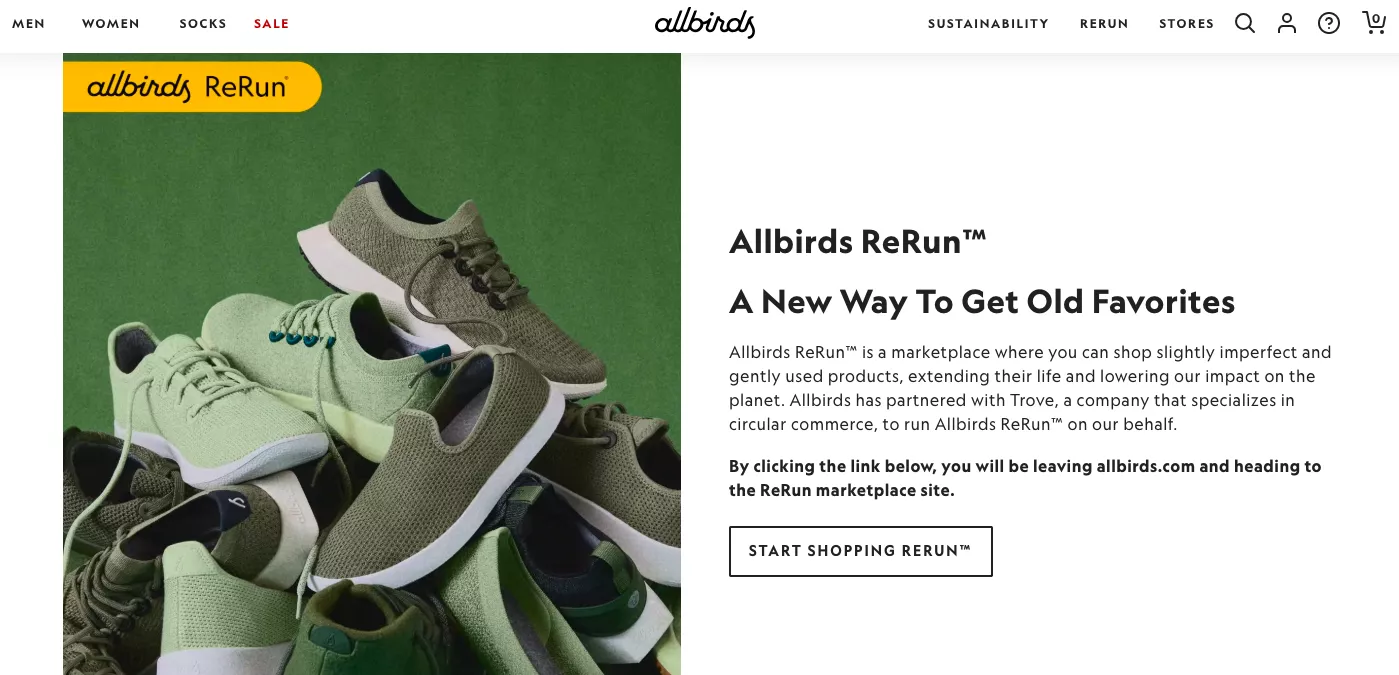
So all of that is great, but that’s not what we’re trying to do. We’re not saying: tell an amazing brand story, build a video, put it on the homepage. No. The idea is that you try and bring out the values you stand for—or wish to stand for—in action.
There are many ways to do it:
- If you’re selling electronics or stationery: where do your products originate?
- Who manufactures them?
- Where is the material sourced from?
- Is that ethical?
I’ve seen brands—and we’ve consulted brands—where we’ve made a small iteration including: “The packaging and shipping is 100% carbon neutral.” Or: “You can make your packaging and shipping 100% carbon neutral by paying an extra dollar.” So you are signaling what you stand for.
That adds a subconscious layer of authenticity to your entire pursuit. Because now you’re not just somebody selling shoes; you’re also somebody owning up to this larger agenda, this larger value that you stand for.
I think it’s important that you put your story together. It doesn’t need to be a very elaborate one. But it needs to be something that is honest, and something people want to be associated with. Your ICP—your ideal customer profiles—should relate to it immediately.
You could take time to build it. You could build it around your product. You could build it around the founder of the company. You could build it around the shipping. It could be around any one specific factor.
5. On-brand UGC videos
The next one is UGC. And the other thing I can guarantee you is changing slowly is: 2024 was the year of fake UGC. That’s where you go on Fiverr, you’re able to send products, and you have fake user-generated content—a video of someone sitting in their car saying, “Guys, I bought this, it’s amazing, you must try it.” It’s fake. We all know it. We can see through it. Nobody is making a video like that, even though it might be happening to some degree.
I just really think that the amount of effort creators are putting into creating these fake user-generated content videos—it’s really not up to the mark.
So the 2025 UGC wave will heavily rely on authentication and authenticity.
I strongly feel that UGC is a game-changer for trust. As the statistic here tells us: it is about eight times more convincing than influencer marketing. Other people telling me they use the product—other real, normal people—versus an influencer telling me they use the product? I would trust the rest of the populace more. Of course, yes.
So I would recommend you reward your actual customers to record themselves opening the product, using it, in the worst quality possible. It’s fine if they do it at home with their phone camera. That’s fine. Reward them for it. And what that gives you is extremely authentic-looking content.

You might feel, “Oh, my brand is above all of this and I cannot…” but it’s fine. If you get a 6-on-10 quality video, it is gold if it is actually from a customer and they’ve sent it to you explaining their actual experience and they have good things to say about you.
So that’s something, obviously, to think about.
6. Omnichannel livestreaming
Live streaming. So I actually did some research. Again, I took the Amazon example earlier, but I want to show you what Amazon has been able to do in India, for example.
Amazon’s homepage in India has everything—and now they also have a section called Amazon Live. They were doing this in the US as well earlier. But if you see what’s happening here, everything you see is essentially a currently running live video. I’m just going to mute the site. And it’s a currently running live video of someone doing walkthroughs of products, people asking them questions, all of that essentially happening.
If you see, there are a thousand people watching this person right now, giving walkthroughs of kitchen products live. And he’s selling this 260-buck plastic container, whatever you might want to call it.
The limited point here is that live videos—Instagram, for example. I don’t know if we have any influencers on the call, and if there are, please say hi in the chat—but when you start to publish on Instagram and you cross a certain threshold of followers, depending on the country you’re in, the first thing Instagram does is it gives you $100 if you go live on Instagram.
So the highest engagement product—the real-time engagement product—is live. And also, when someone goes live and you are online, you get a notification saying, “Shaker went live 2 minutes ago,” and you can just join their livestream.
I don’t want you to spend money on creating a full-fledged live-streaming product. But I think generally speaking, live streaming is going to be bigger in 2025. So it’s important to find a way to bring it in.
You could do it in many ways:
- During working hours, or whenever possible, you could stream on your website and talk about the products.
- If you are a large retailer—we have a few on the list today—I would recommend that you take the time to demo the products as people are shopping on the site.
- Build a separate page potentially, and figure out a way to bring people from outside the brand to come and do content with you.
For example, we spoke about ambassadors. Influencers are a great way to leverage them—their network—and a great way to bring the brand and them together.
7. Voice and image-based searches
The next one is search. I’ve already spoken about search. What’s getting bigger is voice and image-based searches. Image-based, categorically, is getting much, much bigger. Google Lens is gaining a lot of steam, and that’s obviously very important. I think it’s going to get even more important as the modernization of people continues.
One of the things that has happened in the last three or four years is: people have gone from using older iPhones—anywhere from iPhone 7 or iPhone 8 to iPhone 12—to now coming into the whole iPhone 15, iPhone 16 era, and so on. That modernization is bringing a UX upgrade, where you’re able to search for what’s on your screen, which wasn’t available on older iOS devices or older Androids.
So image-based discovery is starting even before people reach you. And if you can find a way to plug in a search that allows you to do that, it’s a big win.
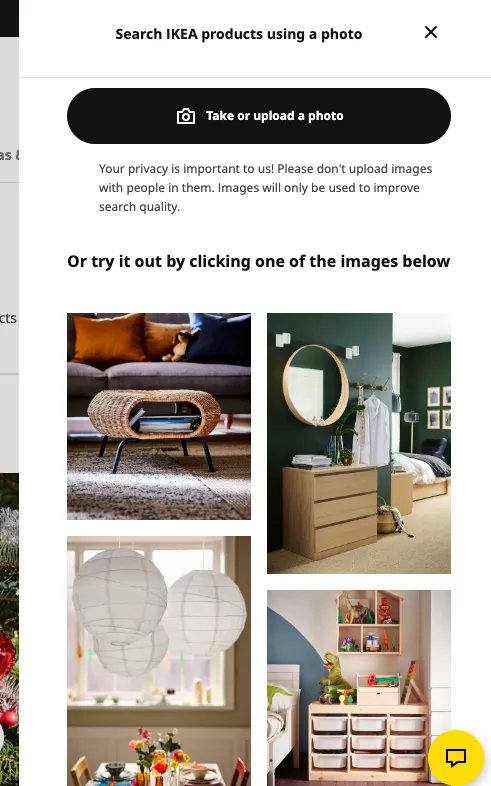
I would want you to obviously take this with a pinch of salt, because it depends on the industry you are in. Are you a fundamentally visual product? What kind of people do you deal with? That matters.
Also, the American Disabilities Act—ADA compliance—will probably at some point add this. They don’t have it as a mandatory thing at the moment. But voice-based search, I foresee, gets added at some point in the next two to three years. And so we’ll all have to obviously add it to our sites.
8. Gamifying customer experiences
Gamification. I think gamification is easier said than done. The problem with gamification at the moment is: e-commerce gamification has become a lot like—remember when simpler cell phones used to be around? Every manufacturer used to add Tetris to the phone. And so Tetris became like the only game all the phones had. The first one to add it obviously got a lot of brownie points—fantastic, this one has a game, so I’m going to go and get that. And then later it kind of became a gimmick.
That’s what has happened with, for example, spin-the-wheel popups. Nobody cares about them anymore. Nobody wants to spin the wheel. Everybody knows their game, and it’s really whatever it is.
Generally speaking, from a statistical perspective, gamification can improve your conversion rate—your sales—by about 20–25%. And gamification-related sales revenue is expected to be much, much larger in 2025.
So what we would much rather do is build gamification into the shopping experience itself.
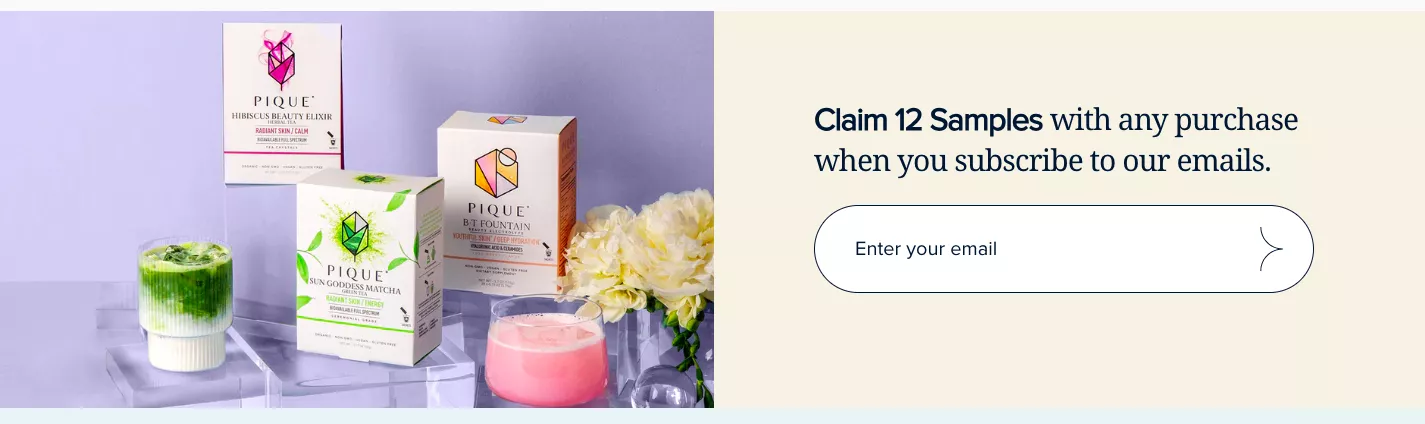
In this case, for example, you can claim samples, you can do that kind of stuff. Plus, you can make variant selection and customization easy. I already showed you Son of Tailor—I’m sure everybody has seen something new today. Figure out a way to add hooks.
In fact, even for something as simple as an email opt-in, there is a way to go bespoke. There is a way to deploy email opt-ins in a way that they’re unique and people actually want to do them.
This is one such case where we’ve designed something for a customer where: if I click the ball, the player kicks it, and that’s when I see a quick quiz. You’re asking me what kind of sport I support, which team—and depending on my answer, I win a $100 gift card.
But the bottom-line point I’m trying to drive home is: so far we’ve been extremely focused on the goal of, for example, collecting emails. That’s not the goal.
The goal is to drive engagement.
That pop-up that I just showed you has a 45% engagement rate. Half the people who see it want to click the ball. And that is a goal met. That’s exactly what we are trying to go after.
9. Smarter content strategy
The next one is content. I think after a shop is set up—products, some merchandise, everything is done—somehow brands tend to take a backseat on the content. And I cannot emphasize enough how important this is.
Generally speaking, content marketing in 2025 will be even cheaper. It says effective content marketing costs about 60% less than traditional marketing. I think content marketing itself is going to get significantly more efficient from next year.
But what’s not going to change—and earlier I spoke about things that are going to change—what’s not going to change is quality content. Quality content will still be top of everyone’s mind. Nobody will care for poor quality. So nuanced content will matter even more.
For example, if you search for “conversion optimization ideas” on Google versus when you search for that on Perplexity:
- On Google, you would hopefully see us ranking, and you see some of that. But Google’s own snippet will include ideas that are extremely basic.
- Perplexity, on the other hand, is significantly more nuanced because the fundamental it operates on is: give fresher ideas to people. And fresh not only by date, but by how long that type of content has been around on the internet.
So if that pivot happens, it will really matter how quality your content is, and what you are helping the customer with.
Going back to your ideal customer profiles and who you’re writing content for—their problems are also evolving every quarter. The average e-commerce entrepreneur four years ago was obsessing over SEO, obsessing over figuring out how they could make changes to the site.
Today, after the whole Shopify migration has happened for a lot of businesses, and there are reliable Magento and WooCommerce developers and whatnot, the focus has completely shifted. The focus is on figuring out how the ROAS can go up. Figuring out mobile-specific optimization because—by the way, the last 10 stores I must have spoken with: 80%+ traffic is on mobile. And the conversion rate for mobile is still at half of what it was for desktop.
So now we are also writing content that’s relevant to the problems that exist today.
This is a simple example where they're publishing guides for separate use cases for the products they sell—or video storytelling wherever possible. Add social proof wherever possible.
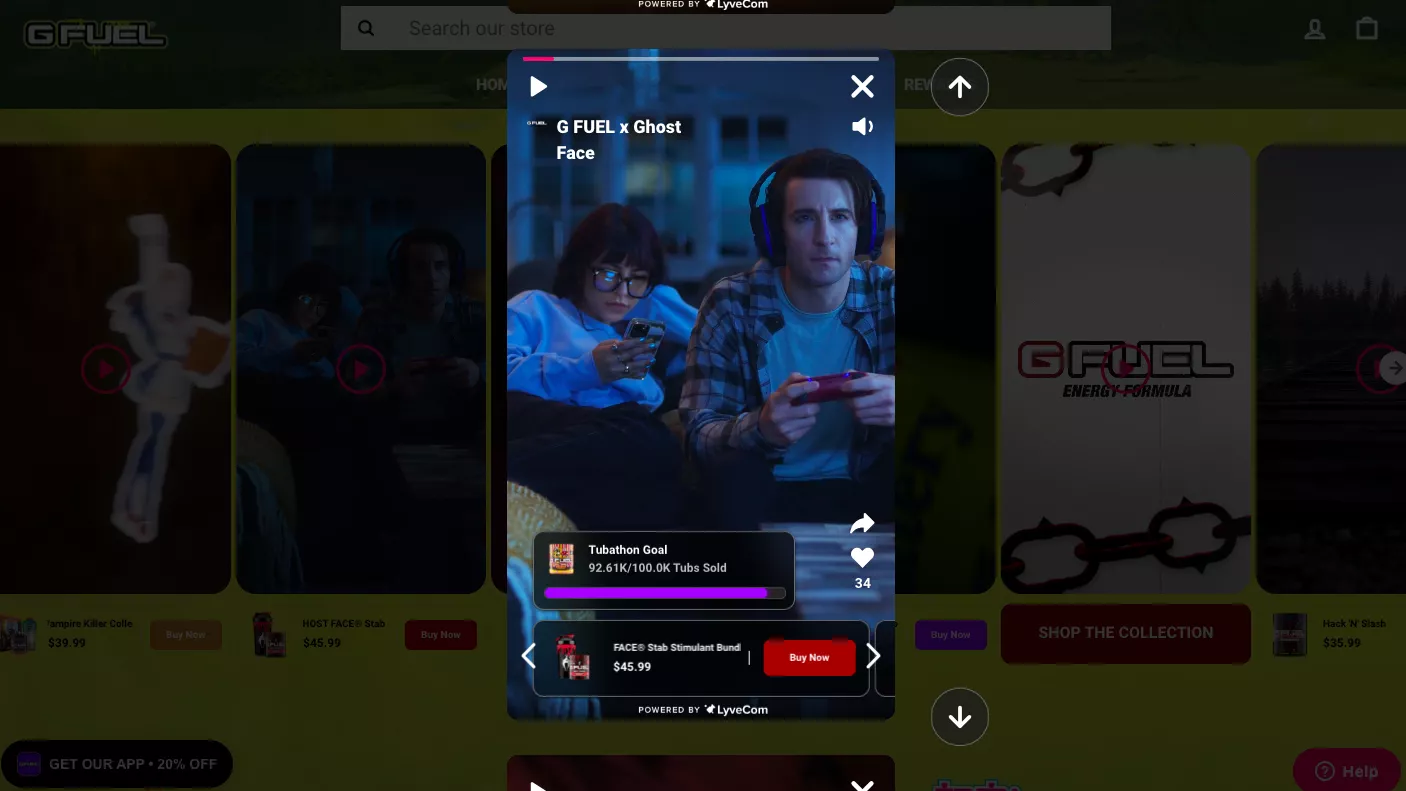
You could also bring in some authority-driven content. You are an expert at something—that’s why you started the company. The founder going and selling something, walking people through the nuances of whatever it is they’re selling, and standing behind the product—there is nothing more powerful than the founder leading the marketing for a business.
10. Selling on hyper-localized marketplaces
Selling on hyper-localized marketplaces. About half of the searches that happen on Google are local searches. People are not searching for “best jerky in the United States.” Nobody is searching for that. People are searching for “buy jerky near me” or “buy jerky”. And Google biases heavily toward localization. It is highly likely to recommend a place to buy jerky that is closer to you or ships easily, for that matter.
So the idea of doing extreme localization is to find a way to be closer to your customer.
If you have a product that can be stocked at everyday stores, I would figure out a way to do that. I know that’s extremely hard, but that’s one.
The second is: figure out a way for people to experience the product before having to buy it online—if your product is experiential. That’s another important piece.
The next thing is: localization is a fantastic way to build community.
And of course, you can do it in several ways. I had given this example in a webinar earlier as well. The fastest way to build a community out of your customers is to do a pre-launch launch.
Meaning:
- You start taking pre-orders.
- You announce a product as a “pre-launch.”
- You say the reveal will happen in 30 days.
- You let people pay a $1 deposit to block themselves.
- Tell them it’s extremely limited.
- You get maybe 500–1,000 customers making that deposit with you.
What that translates into for you is: you have this set of people focused on a single thing. You do the reveal. On the day of the reveal, bring all of them into a Facebook group or some other community platform. And now you have a captive audience that you can market to for absolutely no cost.
Depending on the size and type of your business, I would want you to modify the strategy. But that’s how community formation can start for you—by there being something in it for the people who are actually a part of that community.
11. Sophisticated subscription nudges
Subscription is again super important. About half of subscription businesses agree that a fair amount of their subscriber base is not very active. And that’s kind of embarrassing. But at the same time, it’s something you can't really help.
So it’s important that instead of forcing people to buy subscriptions, we do smart nudges, and we help people calculate or figure out a way on how they could save money on subscriptions.
The ways of doing that are by ideally pitching the value-add there is in a subscription.

But generally speaking, the reason we brought this point in is: 2025 will be even bigger for subscription-related products and services.
The reason for that is:
- In 2024, a few things also grew—like rental products. Rental furniture, that kind of stuff, has grown significantly in 2024.
- The world is out and about. People are moving around. So nobody wants that long-term commitment to a few things.
- The openness to pivot to healthier things has made it a little easier for people to understand that some costs will be recurring—like health supplements or anything else they consume weekly or monthly.
So in that way, your customers are becoming more subscription-friendly. They are happy to put their card in and subscribe to things.
How you leverage that is something I’ll leave up to you to decide. But I just think that the conversion optimization universe around subscription products is fairly well-formed, and there are several ways to be able to address that.
12. Personalize micro-moments more closely
Personalization is a word that is overexploited for the sake of marketing. But I want to emphasize two things.
We run personalization for more than 500 businesses, and engagement-to-conversion—meaning: people who engage with personalized recommended products and convert, versus people who convert without engaging with them—we’ve done that experimentation and comparison.
Generally speaking, the engagement-to-convert rate for people who see personalized recommendations is at least, if not more, six to seven times higher. And that tells you a lot about why personalization is super important.
The other thing is cross-browser, cross-device personalization is easier now. Most of us are on Chrome or any other equivalent browser. Most browsers have logins. And unless the user is using different browsers on their phone and on their PC, if they log into their phone and later come back on the PC, the cookie is cross-device.
So, for example:
If on Chrome I visit a site and a cookie is planted, that cookie is relevant on the desktop as well. So personalization becomes easier as a function of that.
This example that we have is interesting, where we are saying, “Hey, to save you browsing time, should we just tell you why we are better?” And the customer can choose to indulge or not.
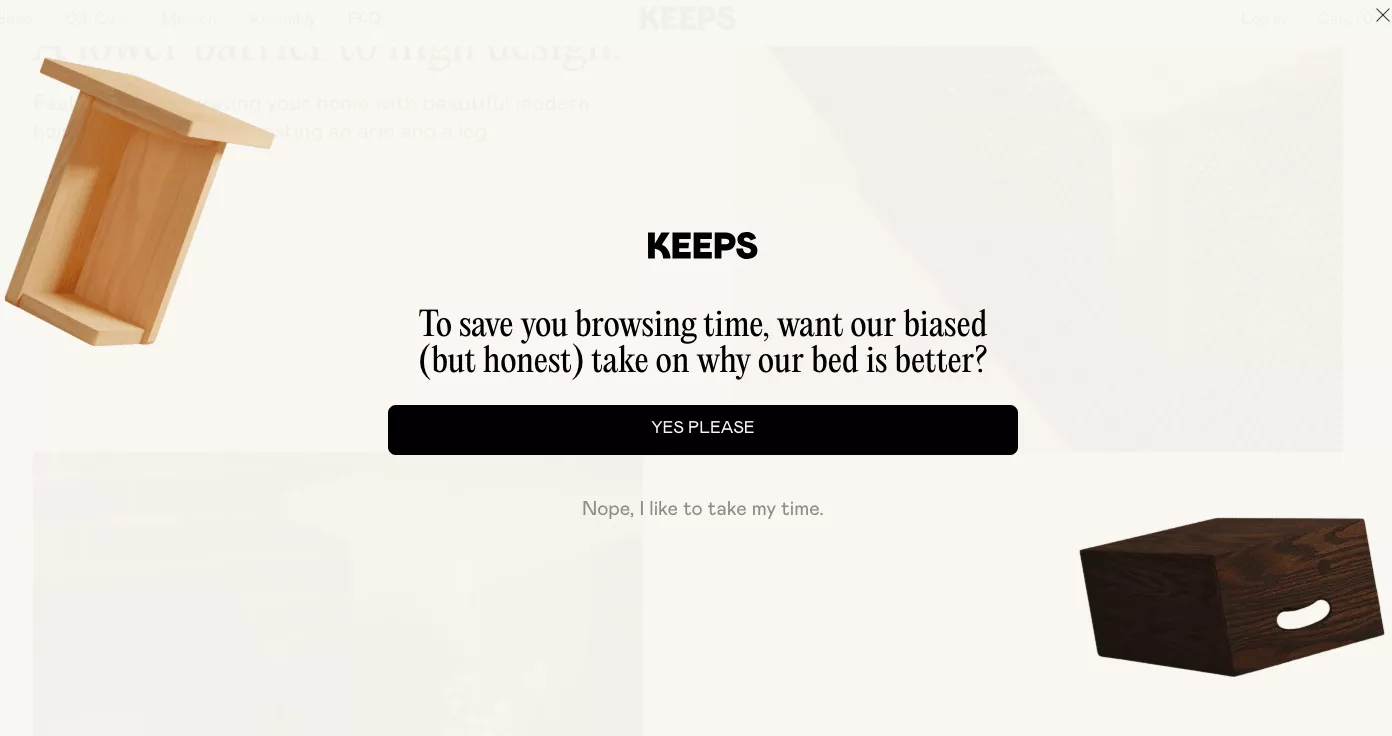
Similar recommendations in the form of a compare table—generally, I see businesses doing “You may also like,” and those are the recommendations. But you could also do a comparison table. Show customers the key features for why things are different or maybe better.
And then also, showing actual results—personalizing to show users relevant content and addressing personalization that way would also make a lot of sense.
13. Use contextual urgency hooks
Contextual urgency. Now, I think this is a double-edged sword.
The reason we wanted to bring this in is: I hope I’m able to change your mind about timers. Whenever we bring this up, most customers complain that timers are extremely gimmicky, not the best way to do things, and so on.
The argument we generally make is: there are elegant, sophisticated ways to use timers to create urgency. Because in a given context, you can still do that.
For example, the most classic one: a shipping timer. A timer that encourages the user to complete a transaction for same-day shipping. It looks like this:
“Order in the next 1 hour 50 minutes for same-day delivery.”
This is the simplest, easiest way to create some urgency.
But then you can also talk about an offer that is only running for a limited period. And I don’t know why businesses don’t do this enough. I’ve seen only two kinds of businesses:
- The ones that do it all the time,
- And the ones that never do it.
Like, I’ll just open a store—Slick Wicks, right? I guarantee you there’s a timer on the site as we land there. They have had a timer on the site for the last 5 years. And the timer is generally a few hours, and it comes and goes every day. But anyone who has bought from them once knows the timer means nothing.
So I think it’s important to put urgency in a context and execute it well.
Generally speaking, what we try to go after is a few different ideas, like what you see here:
- Show numbers based on responses. For example, because you have first-party data—like we saw with Son of Tailor—you could tell me: “Your fit matches 33% of the customers that buy Son of Tailor T-shirts.” And I’m like, “Okay cool. So I’m not creating some weird fit. Other people like me exist. Good.”
- Popups are great. I don’t know why businesses don’t do popups enough. I love popups. They’re extremely underrated.
14. Interactive product page layouts
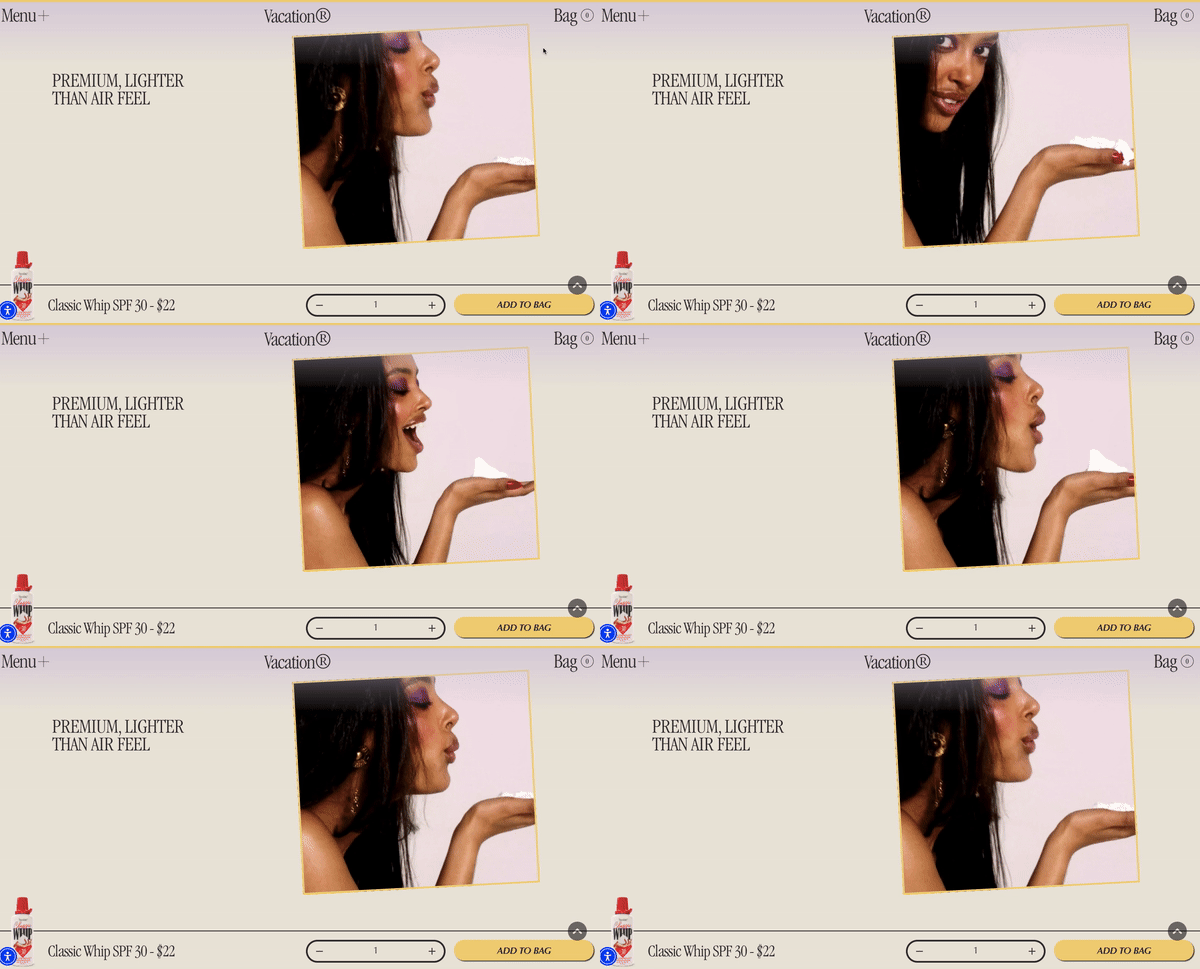
Autoplay images, GIFs, videos—fantastic. They have extremely high engagement.
We have heatmaps running on more than 500 stores concurrently. Videos get a lot of engagement.
This, for example, is an autoplay image. But generally speaking, the product page is the most important page of your site. As much information as you can add to it would make a lot of sense.
- Sticky menus on the product page. Generally, your product has a description, shipping information, “Why this product,” specifications—all of that. But it’s all hidden. Making a sticky menu that stays on the top would make a lot of sense.
- Bring in audio. Bring in video. Keys, for example, has added an audio piece. I would recommend after the call you go and check it out. Bringing in audio, bringing in video, in whatever way possible, adds tons of value.
15. More relatable social proof
More relatable social proof. I’ve already spoken about this: let your customers do the talking. Keep it as genuine as possible. Imperfection is your friend, because imperfection also looks authentic.
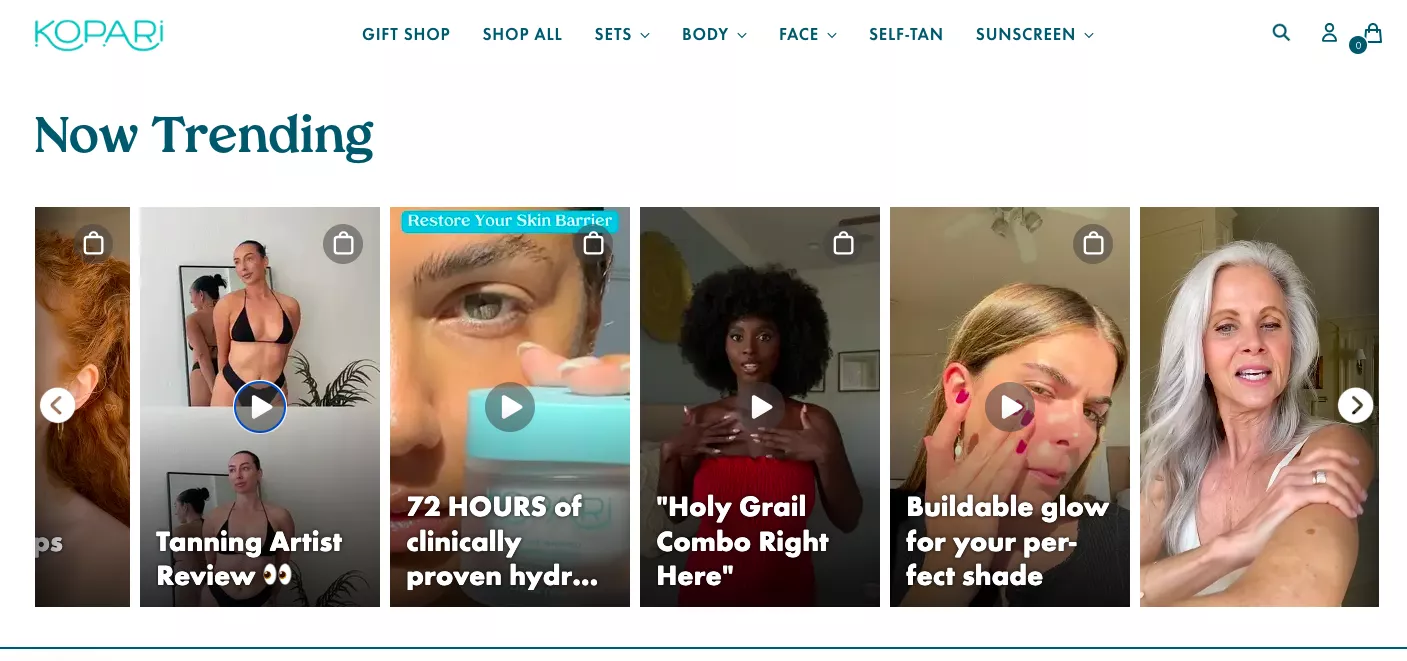
If you have videos that are too made up, too perfect, too polished—they look fantastic—but your customers can see through it. They’re probably doctored. They’re probably made by people who used your product in exchange for some compensation.
So the more raw, real, unfiltered the social proof is, the better.
Feature reviews from across platforms.
I think this is a great execution of that.
If you see, there are screenshots of comments on Instagram, comments on Twitter, screenshots from Google. If you can bring that in, that’s even better. That creates a lot of trust.
16. Harness live chat to offer deeper advice
Harnessing live chat is the most basic idea I can give you. About 70% of the sites that my team visits—and we have a large sales team, and we have a research team that goes and finds what’s really happening on the internet—either don’t have a chat, or don’t have anyone sitting on it.
And I think today it’s the easiest thing to get a robust chat infrastructure in place with Gorgias or some other tools that are available. It is even easier to hire someone on the other side of the world—probably India or even the Philippines—to manage that for you. It’s the easiest thing.
And so I think if you’re not doing it, you’re missing out. The chat-and-convert rate is even higher than search-and-convert. So as far as metrics go, the chat piece works super well.
What changes and what never will
Again, I want to reiterate as we close—and then we can take questions if you have any—that 2025 will be a lot like 2024. There will be 15 things that will change and will probably transform a lot of different parts of how we conduct our lives, and so on and so forth.
But there will be 20 things that will not change, that will remain constant. And so it’s best that we bet on those and lean in on the parts of our business that are robust and are truly the reason we exist. Double down on those trends.
So yeah, thanks so much for joining. I hope this was of value. We will see you for our next webinar in the new year, and I intend to do something a little bit more shocking in the next one. So I look forward to that.
Okay, perfect. Alright. Thanks so much for your time, folks. Have a fantastic rest of your week, and a phenomenal weekend. A Merry Christmas and a Happy New Year in advance. And I’ll see you in the new year.
Bye-bye.
Get Fresh ideas to boost your conversion rate
(stuff that works for hundreds of stores)
Request a Free Site Audit"Convertcart’s Audit Report was deep and insightful. We never thought they would spend so much time in building and sharing such insightful content, free of cost."


Logan Christopher
Lost Empire Herbs