On-Demand
Increasing eCommerce Sales (Without Spending-more-on-ads OR Discounting)
Ask any ecommerce founder or marketer for their top sale strategies - and the first two things you will hear are:
(1) run more ads
(2) more discounts
The problem with (1) running more ads:
- ads are expensive = less profits
- you can’t build a business by targeting deal-hunters
The problem with (2) more discounts:
- it leads customers to think that you’re a discount brand
- it is a short-term solution to a larger problem
And this is why we wanted to do a session - on ideas that can help ecommerce stores improve sales - without hurting their profit margins.
I’ll talk about strategies that do not require you to run a sale or burn more money on ads - ideas that are working extremely well for our customers as we talk.


About the speaker

Shekhar Kapoor
VP, Marketing
Convertcart
Shekhar Kapoor (VP at Convertcart) has worked with 500+ online brands, including Squatty Potty, Prep Expert, and USA Hockey Assn., and helped them boost sales exponentially.
Shekhar Kapoor
VP, Marketing
Convertcart
SESSION REPLAY - INCREASING ECOMMERCE SALES (WITHOUT SPENDING-MORE-ON-ADS OR DISCOUNTING)
Well, hello everyone, thank you so much for joining us. I’m really excited about our first webinar for 2025. So it's the 15th of January — I’m not sure if it is still legal to wish Happy New Year, but a very Happy New Year to all of you. I hope all of your businesses double, triple, maybe four times in size this year. I hope it's a fantastic year for e-commerce. I hope it's a fantastic year for all the different industries that we have people joining us from today.
And to kickstart the year — I have a list of very interesting ideas to share with you today. I'm Shekhar, I'm one of the co-founders at Convertcart, and we do these webinars on a regular basis.
Generally speaking, it's a monologue. So it's me talking for a little bit, walking you through ideas. We've tried a lot of different formats, but making it as informational as possible is really what our goal is. So what we try and do is put our learnings into a single place and share it with everyone free of cost. Of course the only cost we ask you to incur is your time — but we also make it worth your while, and we make sure that you have enough information to go and implement on your own without any outside help.
At Convertcart, we help more than 500 companies optimize their conversions and also put their email marketing on steroids. So really speaking, as a business we run more than 10,000 experiments a year. We work with e-commerce sites from more than 30 industries, so we have a lot of learnings that we gather — and it's a task in itself to organize all of it and then leverage it for content pieces like this, and also to leverage it for customers that join us to use us to optimize their conversions and improve their sales.
You're most welcome to use this as well. As a matter of fact, for anyone attending the webinar, I would love to offer a free-of-cost analysis or audit of your site, your Klaviyo account, whatever you may have — even your Google Analytics if that's what's needed.
Content & Community
Why It Matters in 2025
Now without further ado, let's jump into the amazing ideas that we have for you today. We've broken the ideas down into three pieces. The first is content and community — we have a few ideas because I feel that's going to be really big in 2025.
I don't know what's going to happen to TikTok in the US. I know we have a lot of people from the US joining us today, so I don't know what's going to happen to TikTok in the US this year. It's probably not looking good for people who built TikTok followings, for businesses that have invested in TikTok videos. I'm not sure how it looks for them. But I think content and community will play a massive role, given that all e-commerce platforms are slowly opening up the gates to all forms of content.
I think we've all been tracking the news — it's going to extrapolate, and it's going to be across the world. So what really matters is how you leverage that as a tailwind for your business.
In today's webinar, I will, of course, walk you from one idea to another.
Okay, so let's jump in straight away. As I said, the first one we want to talk about is content and community.
Open up user-generated-content communities
So let's get into content and community. The first thing I want to talk about is opening up user-generated content in your own community. One of the questions I get asked a lot when I say this — and I've said this to a lot of brands, I've consulted a lot of brands — is: how do I even start?
Like in this case, there's about 2,000 members in the community. That's brilliant, right? So these 2,000 people who are hooked to social media are highly, highly likely to see anything the brand has to say. So it's obviously great.
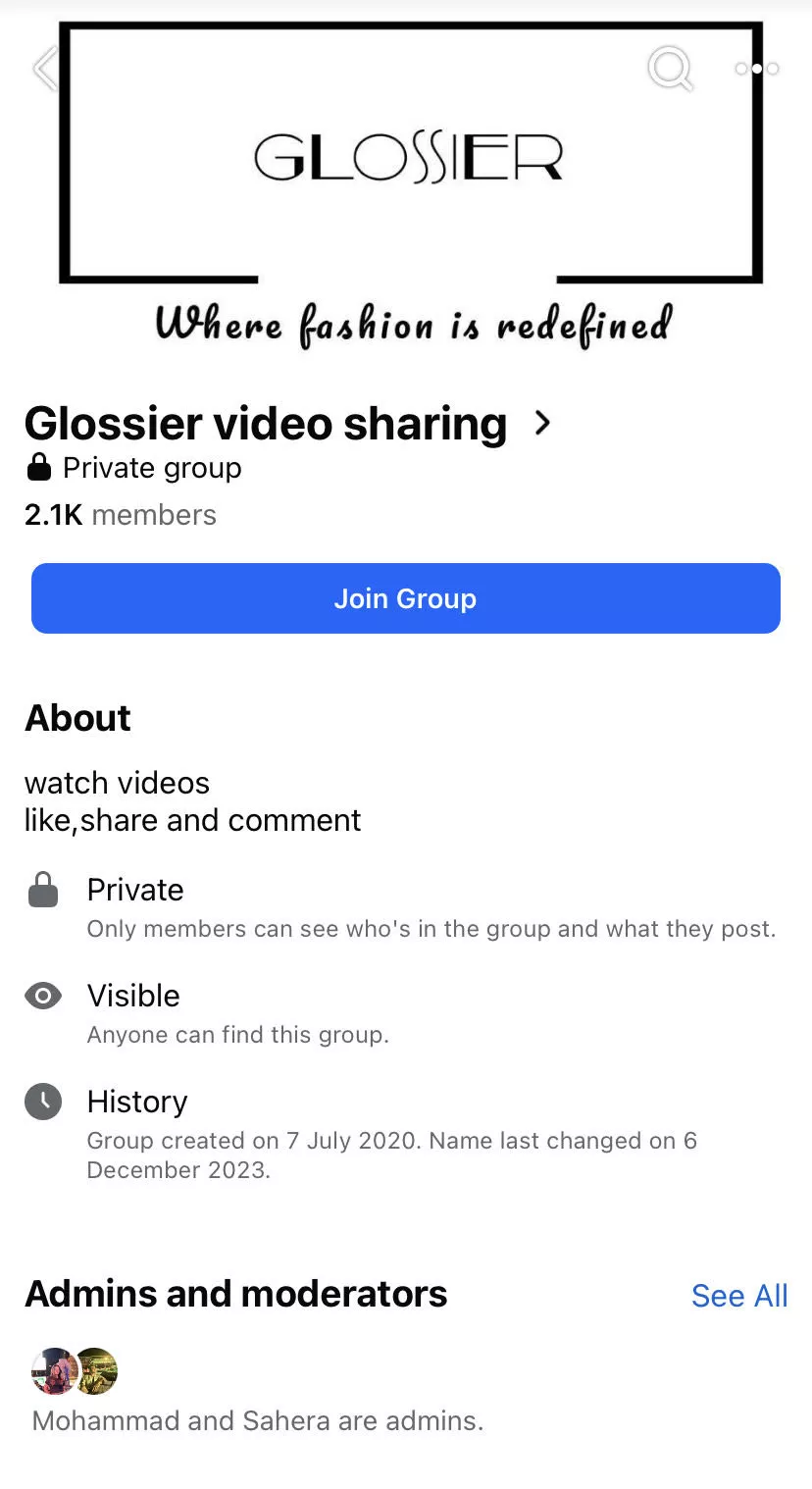
Now, there are many ways to do that. I'll give you one absolute way to do it. If you're doing a new product launch in the next few months, get people to opt in to that launch a few days early, a few weeks early, saying: “Hey, we're dropping this new product. It's going to be available to only a select group of people who opt in for that product today.”
And what you're trying to do is get people — and of course you advertise, you pitch the product well, you’ve got to make sure there's enough momentum you’ve created when you're promoting it — and then let people opt in. Once you have 1,500 people that have opted in to the early release of this set product, you bring all of them into a Facebook group. And what that gives you is a kickstart to your community. Then whether you want to take it to Slack or anywhere else is completely up to you.
The other way of doing this is maybe bringing in an influencer and saying: “Hey, so-and-so person is coming and giving us some tips on how they do X, and they're going to do it only for a specific group of people. So if you want it, you have to opt in.” Similar to how I'm doing a webinar — but I'm not an influencer. You came here for good information. That's what I'm aiming to give you. But my limited point is that once your most engaged members are in the community, encourage them to make content. Make them a member of your loyalty program, give them some perks.
But I also know a lot of — like 80% of the businesses that are set up on Shopify above a million dollars in revenue — still don't think about community and content in a big way. Because the way of business has been: spend money, bring traffic, convert traffic, slowly build a brand, create word of mouth, and then bring organic traffic. That's generally how businesses get built.
And so it's a different way — it's a different thinking altogether — to think about something like this. But I strongly urge you to start thinking about it seriously, because it's going to really, really give you extremely low-cost customer acquisition, extremely low-cost customer repeat. It's always cheaper to retain a customer than to acquire a new one. And community is the most effective way to do that.
Create native content - that mimics user generated content
Also, create native content. One of the things that people have started to do is: whenever you do content around your product, brands tend to go out of their way to make it look nice. And when you do that, it inherently looks inauthentic. So you've got to change that — you've got to look as raw as possible.
For example, MKBHD created this car review channel called Autofocus, and the commitment he gave to the viewers was that he is only going to record all of those videos on an iPhone. And so they look more organic. And what has happened is the hardcore MKBHD fans immediately went to that channel because it made them feel closer to the brand — closer to the MKBHD brand, so to say.
So what I recommend is: put together natural, people-focused videos of products. People using the product. People opening the product. The unboxing experience. The label. Everything. I think video is going to be huge either way. Although the screenshot we've shown here is of an Instagram page — yes, it has to go on your social — but I don't see any reason for you not to put it on your website also.
Retarget only new audiences generated through influencers
The way you build audiences — because now you're slowly working on building community — is also very important. Community does not only mean people that are in your control, or on your group, or on your Slack. That's not it. It also means: what are some other things that your customers associate with?
So, for example, people who associate with David Goggins also associate with running. And if you draw a V diagram of everybody who wants to run and runs, and everybody who's read a David Goggins book or listened to a podcast, that would have a massive overlap.
And so it's important that while you are retargeting your customers, you create audiences that relate to influencers or influencing factors that you think your audience is going to be influenced by. The most classic example I can give you is: if you've ever done an influencer promotion and driven traffic to your site through that, I would use a different pixel to track the traffic that comes from one specific influencer — and then create lookalikes and retargeting audiences of that traffic alone. So that I can retarget those people with content that is specific to that influencer. Trust me, the click-through rate and the amount of trust you'll be able to create will be very, very high.
Also, a friendly reminder: there are so many simple ways in which you can do this. If you're someone who is trying to start a YouTube channel or already has one, YouTube now lets you send traffic straight to products. Instagram has amazing ways for you to set up shops. A lot of the tools already available inside these platforms are often ignored. So this is like a friendly reminder to make sure you have that in mind.
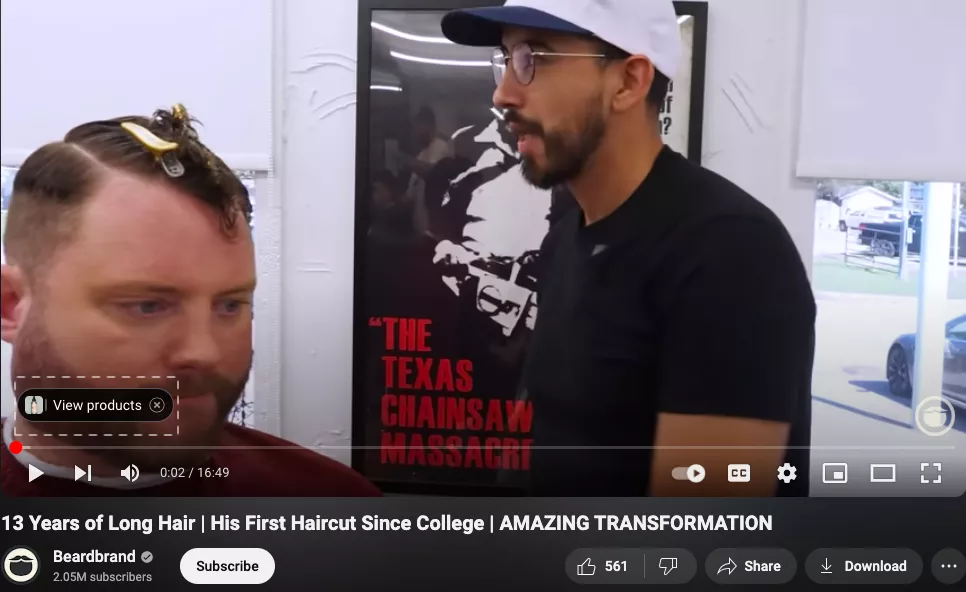
Come up with an interactive Instagram sales strategy
Which also brings me to the fact that you can do a lot of interactive stuff inside Instagram — like running quizzes, running polls on your page, and also making your shop look as human as possible. Often I see Instagram shops that look extremely transactional: just product product product, price price price.
It has zero pictures of products being used. It's essentially not treated as a shop; it's treated as a transaction desk. And that's not great.
I also think people don't use trending audio and just general basics of social media really well to try and break the algorithm, and that's why Instagram never takes off.
Have affiliates create product-use videos
Affiliates work really well. The biggest learning I've had with affiliates is this: if you look at most of what happens with affiliate marketing, it's essentially you sponsoring channel videos. That's the number one way affiliate marketing works currently. And the problem with that is that when you tell the customer that something is an ad, it takes away some part of the trust — without you really meaning to do that.
For example: “Today's video is sponsored by Squarespace.” The moment you hear that sentence, you've lost the fact that it’s not an organic recommendation.
So what I recommend you do is: use your content creation engine through influencers and everything else you're doing, and instead of doing content that is heavily promotional, and you’re giving an offer to the customer like “Hey, get 15% off if you use my link,” etc.
Let them just get on a video and use your product. If they want to call out the fact that they're using it, that's the best thing you could possibly do. If they don't want to do that, that's also okay.
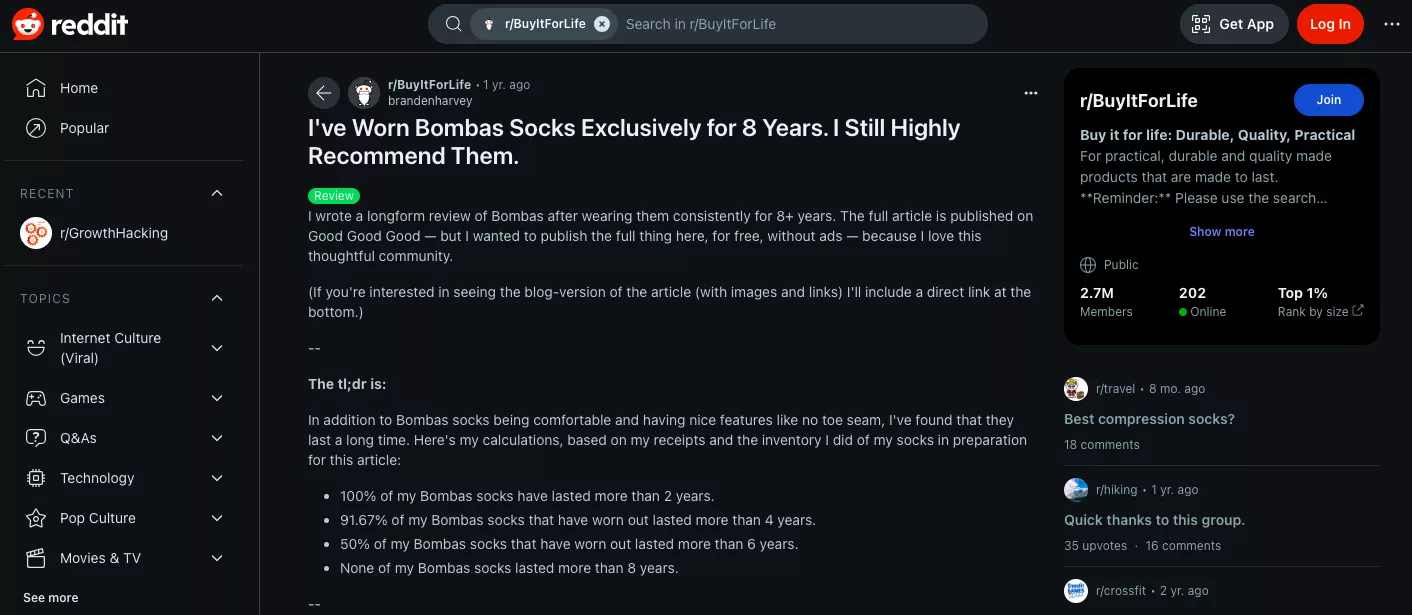
Incentivize detailed reviews on Reddit
Also, incentivize Reddit. I think Reddit is probably the most underrated channel for e-commerce DTC brands. And I'll tell you the number one reason I say that: Perplexity — the latest and greatest in search engines and AI — as well as ChatGPT, are heavily feeding into Reddit for their models.
Because Reddit has so much firsthand user-generated content of people anonymously talking about practically everything on the face of Earth — from watches to cars to fashion to everything else — it's the best-quality source for AI models to get information.
Create an official subreddit for customer interaction
And so it's really important that you get after relevant subreddits. I would, in fact, go as far as creating an official subreddit. Peak Design, the backpack brand, does a fantastic job of it.
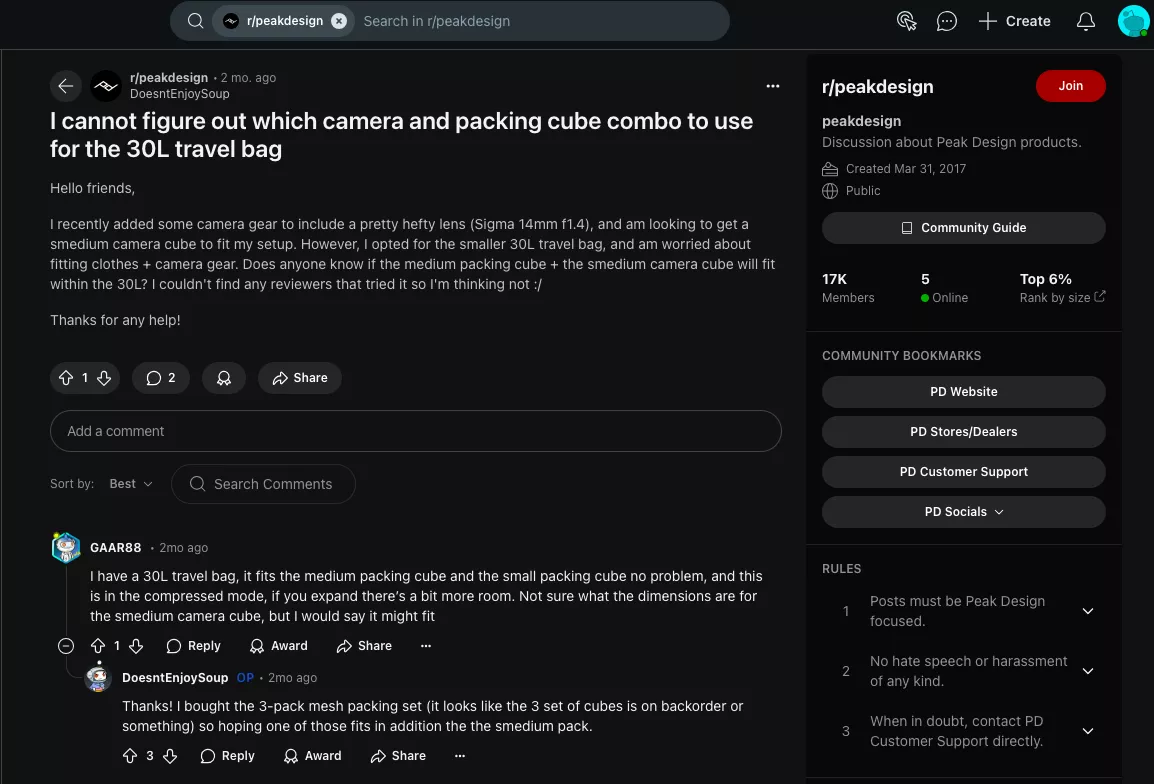
As a matter of fact, there are brands where the people who run their subreddits are well known among the user community. Also, Reddit is often the place for passionate people to talk about things. For example, if you look at any watches-related subreddits, the amount of detail in which conversations are rolling is at another level. YouTube comments can never match that — neither can Instagram comments; Instagram is two levels lower.
So I strongly recommend you invest time and money in starting conversations about your brand inside Reddit. Respond to cases, and also encourage your customers to leave long-form reviews of your product on Reddit. Because when people ask Perplexity if your product is good, Perplexity is going to refer to what's on Reddit first — and then everything else.
Reddit is one of the key data sources for Perplexity and ChatGPT-like models. As a matter of fact, I would encourage you to do that right now. You could just look at any famous DTC brands. For example, we work with this candle-making supplies company called Mixi. And in their case, if you just go to Perplexity.ai and search: “What does the internet think about Mixi?” it will give you the top four things — and they're going to be from Reddit.
So we realized this early on, and we are really encouraging our customers to take full advantage of that information.
Respond to everything on social media
Also, it's important that you engage. And I think the easy way to do this is just to find a college intern who's willing to do this and pay them a small amount of money — even a school kid can do something as simple as this — which is: if someone is commenting on your ad or on your posts, make sure you reply. Engage with people. Even if it is something that is not said in good spirit, it's fine.
For example, Wendy’s is famously known to roast customers and everybody else on Twitter. And that's become kind of the brand identity. And it's fun. Everybody loves it. They have a lot of the following that they have purely for the responsiveness and the level of engagement they offer on Twitter.
Bring the inclusive factor into your brand storytelling
Also — inclusivity will never go out of fashion. Irrespective of what happens in the world, there's no harm in being nice to people and welcoming everybody through the door.
Emails
Build anticipation in your nurturing emails
So with the email piece, the most important part — the most key thing I'm going to talk about — is general content-level improvements you can make within emails. And this is one such example.
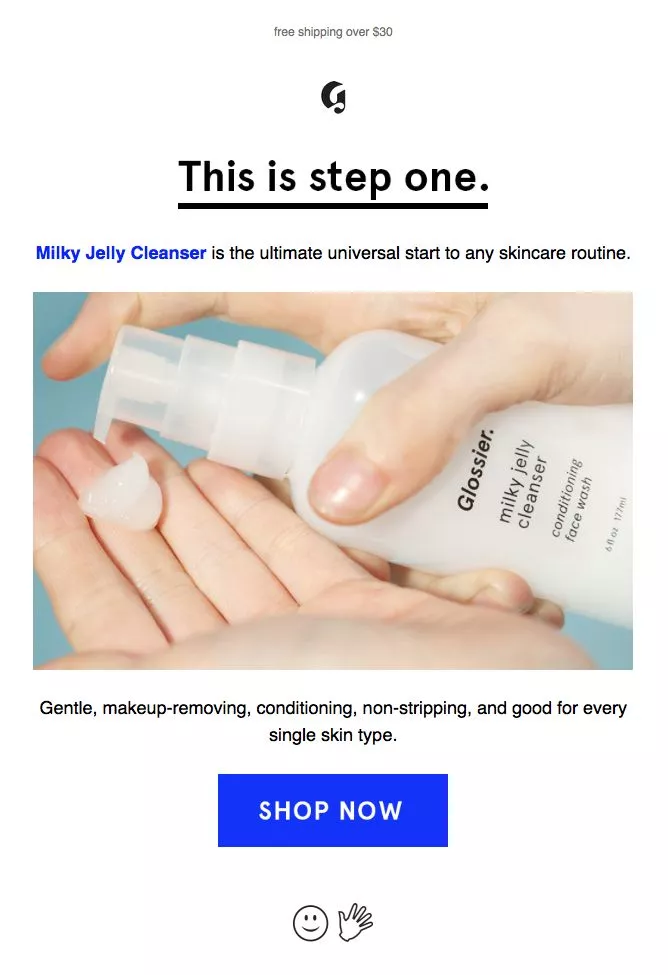
In this case, the email sequence that was run was a step email sequence. And the important part about something like this is that you cadence this setup really well. Turn the recommendations into product reveals, and keep them extremely crisp. The reason I say that is because I often see emails where people try to cram in as much as possible into each email, and that creates a big issue.
Make your abandoned cart emails instantly trustworthy
Abandoned cart emails — so this is something that Amazon ran as a survey as well, and it's really, really proven. If you want to recover abandoned carts, the number one factor you need to address is trust. And even if you don't have great products, and even if you don't have a 15% or 20% off in that email, it's okay. What you must have are elements that create trust — both for the brand as well as the product that was abandoned.
We've seen that trust has a bigger role to play in getting that click on the cart abandonment email than discounts. So I strongly recommend that you emphasize or prioritize the way you create trust inside emails over everything else you've been doing.
Gamify your remarketing emails for higher engagement
Gamification is another obvious one. If you look at this example as well — if you understand what the brand is trying to do — it's leveraging email to use the five or seven seconds of attention that you have from the user really well.
They could have simply sent an email saying “40% off,” and that's it. But the thing is, that will not get the attention that this offer or whatever they're trying to do warrants. Whereas what they’ve done here — and if you look at what's really happening — look at the small script at the top of the email. That's what would show up in the inbox before you've opened the email. And it says something like: “And I owe you for an awkward situation.”
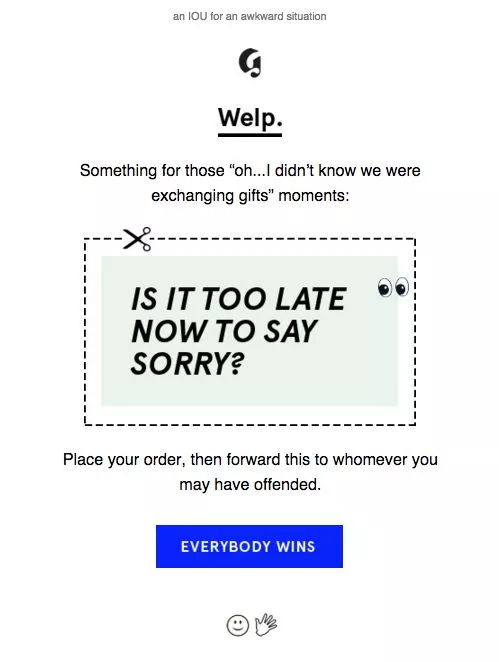
The subject line would probably be “Is it too late?” or something like that — something that creates curiosity. And then when you open it, it's a single, short email. You do not need to scroll. You just see the first fold and you know exactly what's happening.
Respond to browse abandonment - with personalized support
The other thing is browse abandonment. I feel that e-commerce founders don't take their email lists that seriously sometimes. For example, I know all of you found this webinar through the newsletter. We did post it on our socials as well, but I know the majority of the signups we get for our monthly webinars are from the newsletter.
Because we make it a point to send out the newsletter at least four times a month. We cram it with as much good information as possible. Sometimes it's a rant from me about something that I'm not happy with in the e-commerce space. Sometimes it's something else. But the goal is that it's a direct dialogue between me and the customers. It's not a direct dialogue between Convertcart and the customers or the brand or whatever — it's a direct dialogue between the owner.
So in this case: “This is Meg from Beardbrand. I saw that you had your eye on so-and-so. If you don't love it, I'll make sure you get a full refund. Do you have any questions that I can answer?”
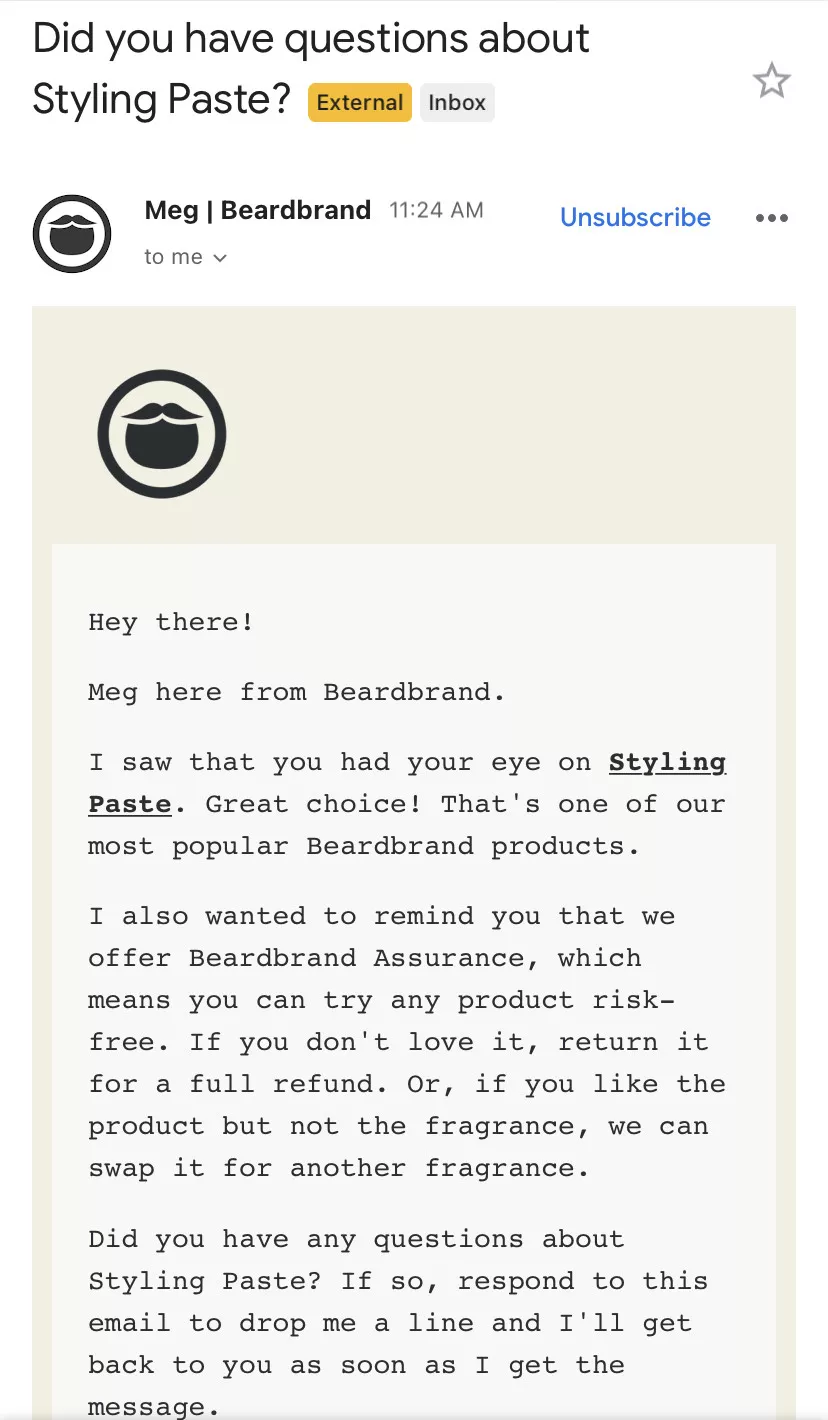
Really simple messaging. And what you're trying to do is instantly establish trust because a human sitting behind the product is obviously easier to trust. But also you're trying to make it conversational by keeping it simple.
On-Site Optimizations (CRO)
Make it easy to place bulk orders
So we've addressed community and content, we've addressed emails. If you have questions, please put them in the chat. If they're relevant to what I'm talking about, I'll pause and take them — otherwise I'll just keep going and try to stay on the clock here.
The first thing I want to talk about on the on-site optimizations piece is bulk orders. And I think it's extremely underrated. Most businesses think bulk orders are not a thing for them. I see this very often in fashion setups where they feel: “Hey, who's going to bulk order my product?”
But the thing is — sometimes you’ve got to tell people what's possible for them to even think that it is possible. And so I recommend, irrespective of the industry you're in, think of the possible cases that are there for bulk ordering in your space and then try and do it.
As a matter of fact, I recently met someone who runs a real estate company in Dubai. They essentially build their own buildings, they sell houses, and do all that. And I was very surprised that for that business — for that brand — 50% of the sales were bulk sales. Which is essentially not people buying just one villa or one townhouse, or one apartment. It's people buying them in clusters because they want to resell them later on.
So there are, of course, underwriters in the project. But then also there were a lot of people who buy them — and my mind was officially blown because I would have never imagined that someone goes and buys apartments in bulk because they want to get a huge discount and make some money by flipping them a year later. So that was an interesting discovery. And so bulk orders are possible absolutely everywhere.
Create kits / bundles for the entire conversion funnel
Creating kits will also go a long way. I've shown you a very simple example here of 8, 16, and 24 pouches of different flavors of the bone broth. But I strongly recommend that you try and create bundles — if not kits — for your products, irrespective of the industry you're in.
Oftentimes, you're just making it easier for people to try things. And if you can make this happen for whatever business you're in, it will instantly help you with the average order value.
Create urgency for existing high intent customers
I also love this way in which urgency is getting created. If you remember, I had spoken about how you can launch a product only for your members and let people opt into your membership, and then add them into the Facebook group. So that cycle allows you to plow people into the Facebook group.
And then to keep them engaged, you could do product drops which are purely for the member community. For example, in this case: it's already 44% sold, it's for today only, it's 39 bucks as opposed to the 135 MSRP. So there's something here — there's so much happening that you are creating some kind of urgency and granting exclusive access.
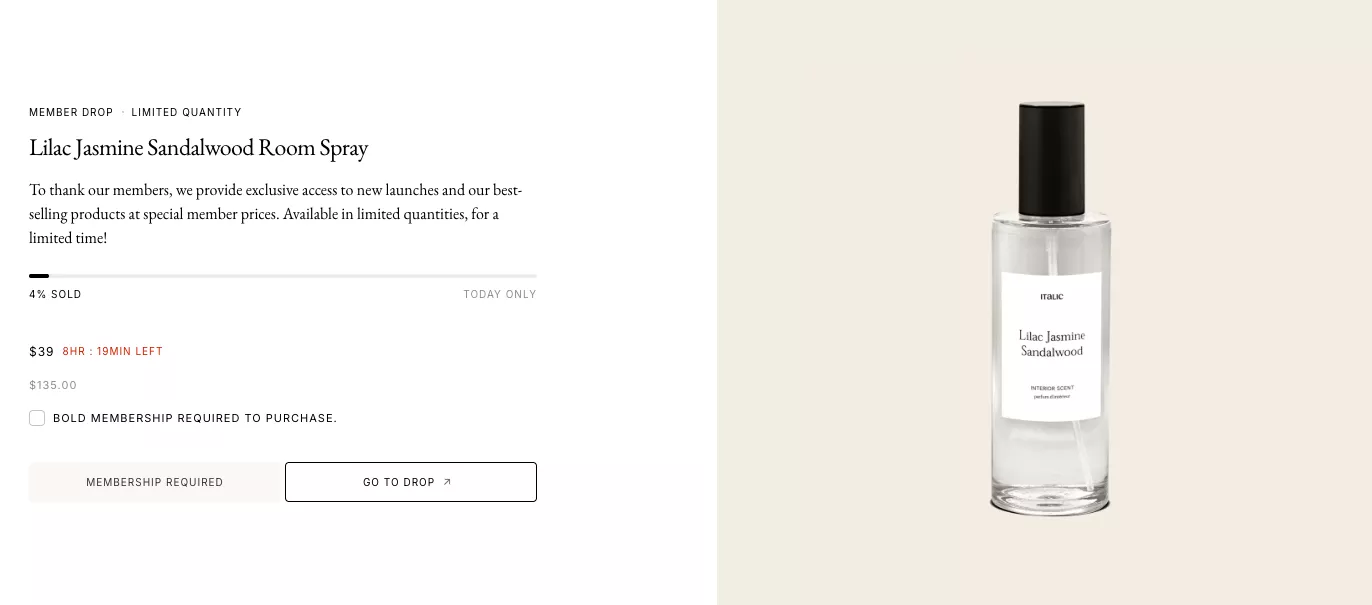
I would also want to do this purely for high-intent customers — existing high-intent customers. I think that would go a long way. I'll also come back to high-intent customers a little bit later; I have two more ideas about that.
Offer limited time free shipping
Free shipping — so one of the problems with free shipping is the cost, of course. I've looked at so many balance sheets and P&Ls for e-commerce companies that I fully understand that shipping is something the customer should pay for, at least to some degree.
One of the things I would recommend we do is find a way to do free shipping, but in a limited way. I'll give you an example. We worked with this magazine store, and in their case — because a magazine is something you can buy at your closest magazine stall, or even the mega store — it's a hard sell online. Because when you're buying a $20 magazine, you don't want to pay $4 for shipping. It really doesn't make any sense. It's like 20% extra because you're getting it shipped. And most good subscriptions don't charge shipping; they essentially sell you an annual subscription and shipping is included.
So, for this store to sell magazines is a little bit harder. And so one of the things we did for them is identify higher-intent customers that are on the site and find a way to just reward them. Why we did that is because we ran a survey on their cart page — which was an exit-intent survey — so it popped up for everybody who was leaving from the cart page and asked them why they were leaving.
A significant percentage of the people who filled that survey said that the shipping price is too high. And so what we did is: for anyone who had more than 30 bucks in their cart — 30 bucks worth of products — and was leaving, we gave them a 50% off on shipping. Extremely specific. But also, we gave it for 15 minutes only. “We will only offer this once; there's 50% off on shipping. If you want to buy, you can buy it right now.”
And that improved their cart abandonment — basically reduced their cart abandonment rate by 50%. Half the abandons were eliminated because that was the biggest problem. So rooted in customer insight, there's a lot that can be achieved.
Attach free shipping to select high-value products
Now, let’s get into attaching free shipping. The other thing you could do is: instead of doing free shipping for all of your products, or doing a discount on shipping at a certain cart value, you could attach it to specific products. That way, it's a little bit easier — and you could do it for high-value and high-margin products.
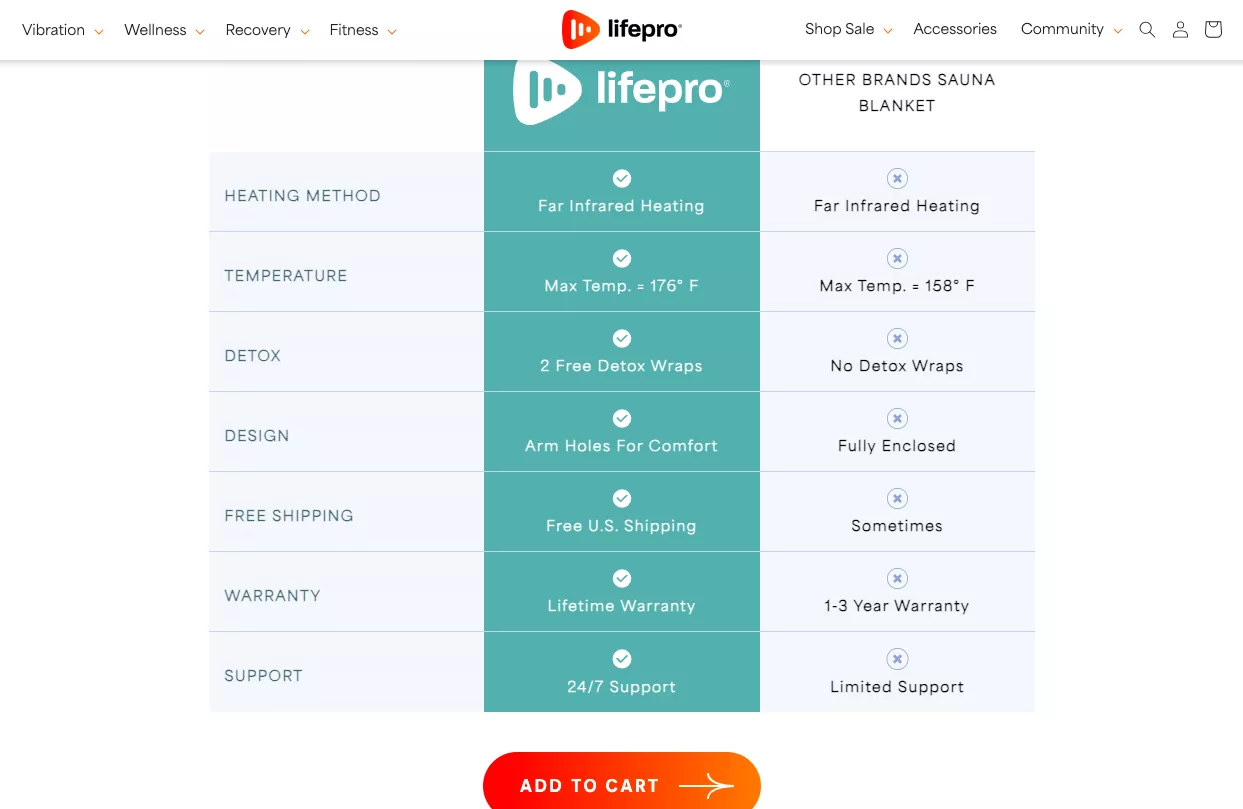
Upsell through comparison charts
Comparison charts — I'm actually a big fan of comparison charts. I read this study about comparison charts on Amazon, where Amazon really uses comparison charts to increase the average order value.
And what has essentially been figured out is that if you do a comparison chart, there are two ways to do it:
- You compare your product to the competitor — in which case you're obviously trying to look good.
- Or you compare two products that you have between each other.
So you're not comparing yourself to someone else. Because every time we've seen a comparison happen with a competitor, it also leads to discovery of the competitor. A large percentage of people don't even know the competitor exists. So now that you've brought it up, they’re obviously going to go check it out.
So instead of doing that, what I would do is: compare a higher and a lower variant of the same product. So that customers understand how it works. For example, on Apple's website you will never see an iPad being compared to a Samsung tablet. Whereas Samsung will always compare itself to an iPhone. It will always say: I have better storage, I have more megapixels in my camera, I have a stylus, and so on.
Whereas a smart company compares two of its own products — because there’s nothing like us.
So there are many ways to think about this psychologically. But I recommend that for the five or six factors that really matter to people, show them a comparison of your own products — or maybe even a competitor’s product — and try to help them make a decision so they move along to the next step.
Increase the number of gift card denominations
Increase the number of gift cards — this is something we've seen work really well. Normally I would see people adding multiple quantities of gift cards, but we've seen that increasing the variety of gift cards you have available really cracks it.
There are two things it does for you:
- It opens you up to all types of gifting. Sometimes gifts don’t need to be $200 — so you can offer slightly lower-value options.
- But you're also not doing a $10 gift card, because three $10 gift cards is not the same as a $30 gift card. So you’ve got to do more denominations.
And if you're not doing gift cards, that's a huge miss as well. I would strongly recommend you do it.
As a matter of fact, the other thing with gift cards is: instead of giving customers upfront discounts on your products, give them gift cards that they can avail on their second order. So what you're doing is — if you're selling a $100 product, give them a $20 gift card also in the cart, which can only be availed at the next order. So you are essentially addressing two things:
- You are giving them $20 back in return, but you're giving that back to them in platform currency or brand currency, and so they have nowhere else to spend it.
- But then, they also feel amazing because they just saved some value.
So it's kind of hitting multiple birds with the same stone. I hope that everybody does this.
Come up with more subscription variations
Subscription variations — I generally only see “subscribe and just do it,” and the company ends up deciding what the subscription velocity is. And I am very against that, because it's the customer that should have that control.
What we have seen is: if you make your subscriptions less frequent, you're able to get more people into the subscription habit, but the frequency is less — so they're less likely to cancel. And if they love the product, they can always speed up the frequency.
So I again strongly recommend that. For example, in this case, you're talking about: one stick every two days, one stick a day, or two sticks per day. And then of course you also have every eight weeks, four weeks, or two weeks. So there are so many ways in which I can configure my frequency so that I can be sure it's something I'm going to do.
Un-gate some valuable learning resources
Content — again, we've created a lot of content. I recommend you completely ungate it. I most often see content being done and it's hidden somewhere in one corner of the site, and you're trying to hide it — I don't know from who. But really, the intention for the most part is to not confuse or distract the shopper and show them content, whereas for somebody who's looking at the content, every company is trying to show them products.
So it's completely counterintuitive that somebody who came for content — you're trying to shove products down their road by showing them recommendations while they're trying to read content. But somebody who's here for products and needs to learn more, needs to trust you, is not being shown the good-quality content that you're writing. So it's broken. I strongly recommend you change that strategy.
The easy way — and the best way — to address that as a problem is that you distribute content across the site. You promote it across your live chat, social media, etc. You also bring that across your product pages, and you make it extremely accessible.
The number one value of doing that is: if your time on site goes up by 10 or 15% just because only a small percentage of your customers spent that extra two minutes or four minutes on your site, it is going to send amazing signals to Google Search about the quality of content you’re serving to customers. Because the number one metric that matters to Google is relevance — which means: when they send traffic to your site from a Google search, how long does that traffic stay on the site for Google to think that the result is relevant?
And the number one metric to measure that is bounce rate. The second metric is the time that someone spends on the site. So if you can optimize that — with the help of content being distributed on your site across the board, on social media, etc. — you hit the nail on the head. It’s going to really give you some solid organic growth.
Promote refills, smartly
Refills and replenishment — now I think I have a couple of ideas here. I feel businesses spend too little effort and time on replenishment, plus they spend too little effort and time on post-purchase experience.
We are one of the few companies that does this — I'm actually yet to see any other company do it. For all of our customers, we run their order confirmation and shipping, and all of those emails also. And there are very smart cross-sell and product recommendations in those emails, apart from, of course, good-quality information in them. And we are able to really do well on those.
I think that's an untapped opportunity. “Thank you for placing an order” is an email absolutely everyone opens. I can guarantee you that’s an email that has a very high open rate. Why would you not leverage it to talk about something? In fact, you don’t need to sell something — it might as well be content — but it is a great opportunity to use those 10 or 15 seconds of extra attention you can get from the customer.
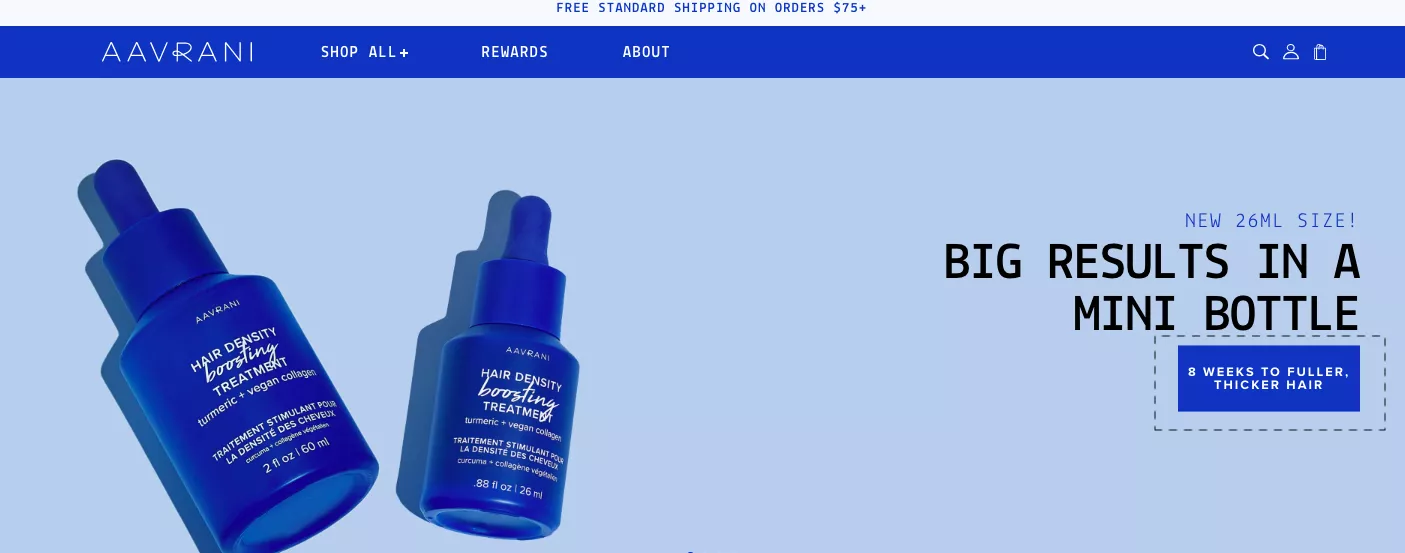
Go beyond price-based CTAs – make benefits the CTA
The other interesting one is: mostly CTAs are getting boring. If you look at this, for example, “8 weeks to fuller and thicker hair.” That’s the CTA. The benefit is the CTA. It's the oldest trick in the book. It’s the oldest thing a marketing degree would teach you: don’t sell the product, sell the benefit.
And what this does is it puts the benefit front and center. They could actually have kept that as the heading — “8 weeks to fuller, thicker hair” — and the button could have been “Shop now,” and it would have had 10% of the effect that this has.
So think about it: can you change up your CTAs so that they go beyond price, they go beyond “Shop now”? For example, a couple of examples here are “Shop the favorite of 10,000,” “Shop the small batch,” and so on.
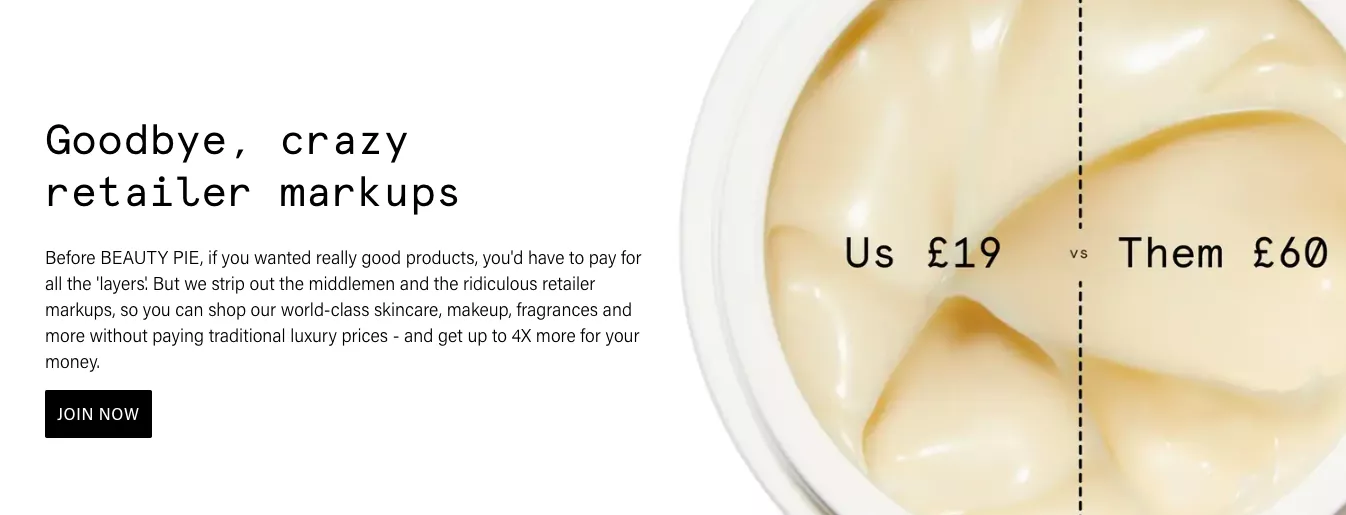
Flaunt low prices right at the top of product pages
Low prices are great. Also, customers generally consume content left to right. Most customers generally consume content from left to right — there are people who read right to left also, so you’ve got to kind of think through that. But given that most of the English-speaking world reads left to right, it's important that you place your lower-priced product to the left.
For example, this comparison you see here — the lower price is on the left and the higher price is on the right. And that's the best way to do it. And that's really so that your lowest-intent shopper is also interested. That's what you're going for: that someone who's got like a seven-on-ten on the intent meter when they come to your site also has something like, “Oh, that’s not too bad, 19 bucks. Let me take a look. Let me see what this is all about.”
Or, break down pricing to a per day model
Or you could just break the pricing down per day. For example, there's a large fashion brand — which I cannot name because they're one of our customers — and they do what they call “500-day T-shirts,” which essentially means that the T-shirt would last 500 days. And those T-shirts are about 50 bucks. So it's about 10 cents a wear or something like that. And they make it a point to bring that up to the customer, saying: this is high quality, and it does not need to come at a cost.
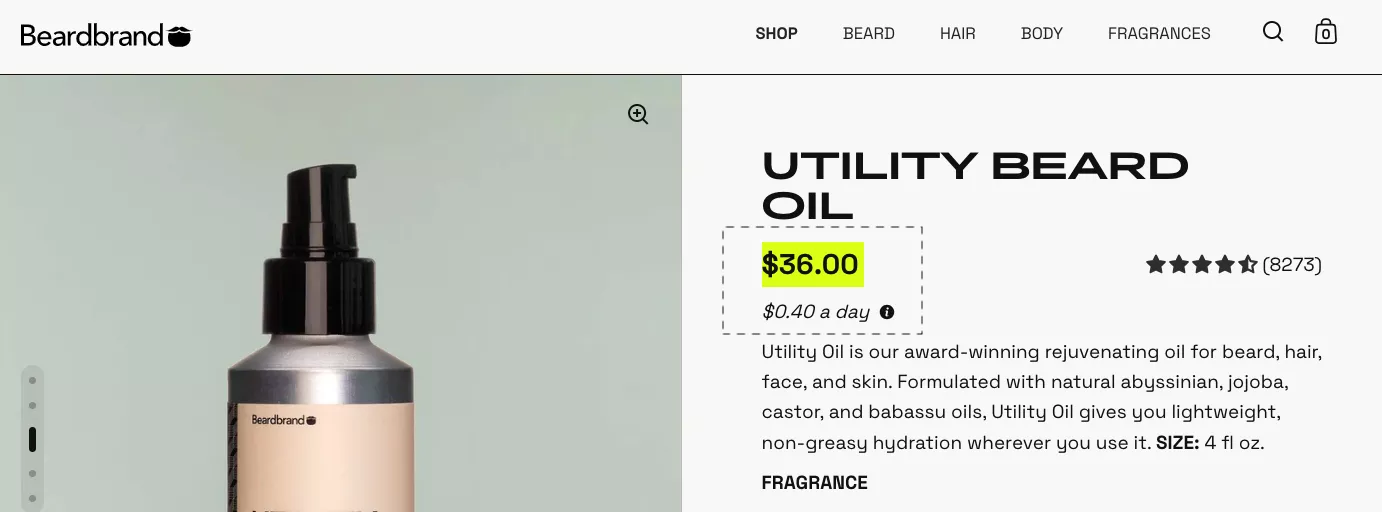
Because if you look at T-shirts from Son of a Tailor — which is the website I would recommend you check out — you're spending ungodly amounts of money on a T-shirt or a shirt. So can you split your product's price down? It's similar to: “Hey, it's a cup of coffee a day.” The oldest trick in the book again — “Buy a car for as little as a cup of coffee a day.”
So you know, we're not trying to run a Ponzi scheme — but I'm just saying, for products that are lower in value already, can you position them in a way that they come across as even lower value?
Feature discounts only for high intent segments
And I have my last two ideas. The first is — again, I spoke about high-intent segments earlier — you could actually feature discounts just for them. Like in this case: it’s exclusive discounts for students, and healthcare, and teachers, etc.
Apple has been doing this forever. They’re trying to sell iPads and MacBooks to students — give them a student discount and do that. And it works wonders for them. Also, it gets humans very early into Apple products. If you are learning an OS, you're not likely to switch from one OS to another. Everybody who is a student Apple user is a lifelong Apple user because they're not going to switch unless there’s something really horrible, they hated the experience altogether, and they just want to switch.
So can you do exclusive discounts for specific parts of your user base — and look for high-intent, high-conversion-potential people to do that with?
Finally: always add a QR code to your product tags
And then finally — QR codes are still out there. They’re heavily underrated. Use the actual product to bring people back. So I recommend even your packaging should create curiosity.
What I would recommend you do is remove all of the baggage — all of the, you know, bells and whistles that are there inside your product packaging, unnecessary tags, etc. — and just leave a QR code in there.
Now what you do with that QR code could be many things. It could be: ask people to follow you, give them a heartfelt message about the kind of effort that has gone into making the product, talk about your eco-friendly packaging, talk about some part of the product, give them a discount, “Congratulations, you've just won $20,” that kind of stuff. That's really what you’re trying to do.
Closing Remarks
So coming back — the goal of today's webinar, and the reason we chose this topic, is because the last few times we've been blamed for talking about things that cost too much money. Because I spoke a lot about ads and so on. So we wanted to do one where no additional spending is needed on ads or any discounting is needed.
I’ve given you, in fact, ideas of removing discounting completely. Creating a community. Putting content together. Encouraging your community to create content. Doing a better job with emails. And also some online, or your on-site nudges, that can be helpful.
So those are some of the ideas that I wanted to talk about.
Q&A
“Is there a benchmark or percentage that organic should contribute?”
There is no benchmark. It should be 100%. Why would you want to pay on ads if you have organic? Unless, of course, the ads are a really high ROI for you. But there is no ideal split. There is no benchmark for absolutely anything.
Okay — perfect.
Thanks so much for joining, everyone. We’ll do another one next month, and I’m sure it’ll be slightly controversial as far as the topic goes. So please watch out for my emails when we do that.
But yep — thanks so much for joining once again, and we'll see you in the next one.
Get Fresh ideas to boost your conversion rate
(stuff that works for hundreds of stores)
Request a Free Site Audit"Convertcart’s Audit Report was deep and insightful. We never thought they would spend so much time in building and sharing such insightful content, free of cost."


Logan Christopher
Lost Empire Herbs