On-Demand
Unconventional Holiday Marketing Strategies for eComm Stores
There’s this problem with holiday campaigns: everyone does the same thing — discounts, limited time offers, gift cards — most campaigns fail to leave a lasting impression.
And this is where lies a huge opportunity: shoppers still appreciate good marketing, they appreciate creativity, they love seeing something new.
Agreed, everyone wants a discount in the end, but when you also have good marketing going with it, it leaves an impression, and these shoppers will come back to buy from you.
And this is what we’ll talk about on the 23rd of October:
- How to create memorable marketing campaigns this holiday season
- How to stand out from the crowd by trying something new
- Some cool examples of unconventional holiday marketing from real eComm stores


About the speaker

Shekhar Kapoor
VP, Marketing
Convertcart
Shekhar Kapoor (VP at Convertcart) has worked with 500+ online brands, including Squatty Potty, Prep Expert, and USA Hockey Assn., and helped them boost sales exponentially.
Shekhar Kapoor
VP, Marketing
Convertcart
SESSION REPLAY: UNCONVENTIONAL HOLIDAY MARKETING STRATEGIES FOR ECOMM STORES
Perfect. Welcome folks. First of all, congratulations on having made it halfway through the week. You're almost there, and the holidays are around the corner. I've already started to say this because I think it's never too late to start planning — I mean for the holidays, not for the business during the holidays, but the holidays themselves as well.
What we're going to cover today is really exciting. We've tried to do something different this time. I can see a few people attending the webinar today who are, for the lack of a better way to put it, regulars. Normally, I'm sharing a lot of insights on just conversion optimization, and I'm sharing insights which can get repetitive.
So this time, we wanted to make sure that we are trying to be unconventional.
Here's how we're going to do this. It's just going to be me. I'll walk you through these ideas one after another. I have a lot of examples to show you and a lot of my own insights to share. At Convertcart, we run more than 10,000 experiments a year.
We work with more than 500 businesses, all doing at least seven figures in revenue. So that way, we get exposed to a lot of fantastic data and insights, and I would love to share all of that with you and add as much value as possible.
Perfect, all right. So let's jump into this.
I want to first make sure that we are on the same page about “unconventional.”
Defining “Unconventional”
What we wanted to do is first show you a really unconventional holiday marketing ad — a video ad — which I'm sure some of you might have seen. Let me just share my screen and get myself out of the screen really quickly and play this for you.
Snapper: The Perfect Tree | John Lewis & Partners | Christmas Ad 2023
Perfect. So the reason for showing this ad is to make sure that we fully absorb the meaning of “unconventional.” And what I mean by that is: everybody does sales, everybody does offers, but it's about embracing new things.
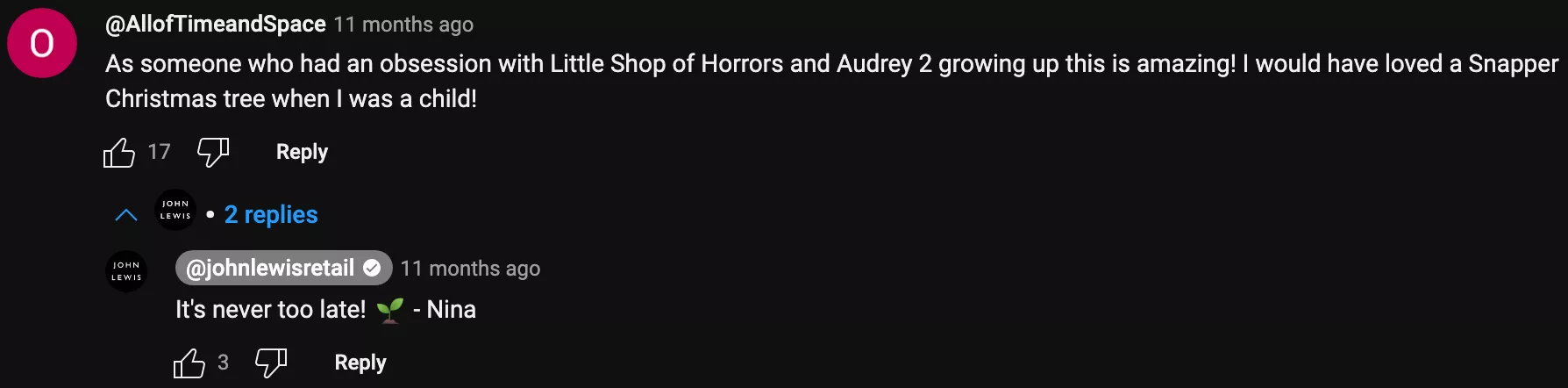
I recommend you go and check this commercial out on YouTube and just read through the comments.
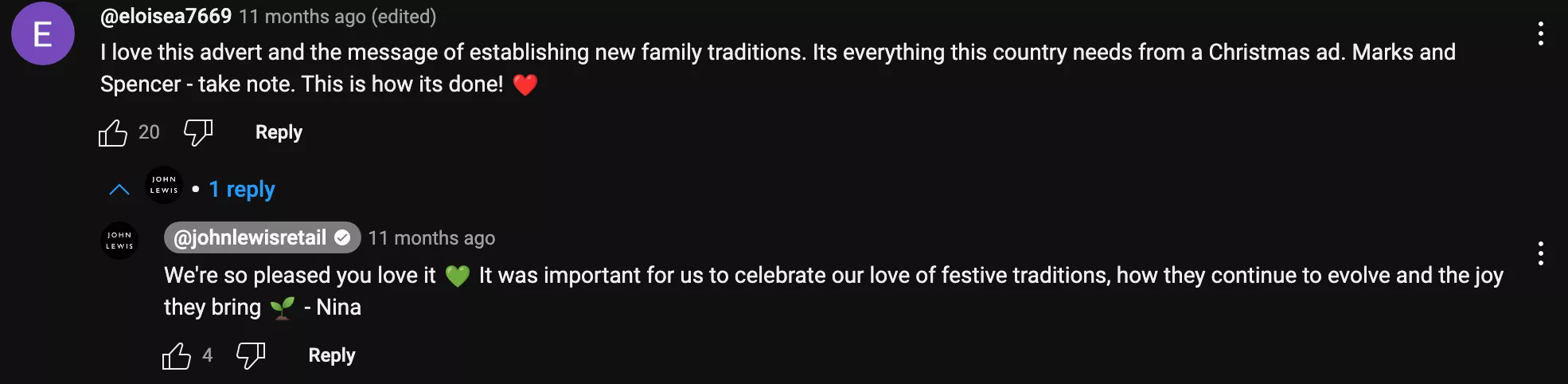
It's very surprising that you would end up having a soft corner for a Venus flytrap — which is the plant I would never have thought I'd have a soft corner for. That's what quality communication does, I think. But I just want to make sure we drive the “unconventional” point home.
Now let's dive in. I hope — if somebody can confirm — I hope my audio is good. Although I do have confirmation – but, I just want to make sure we're good. And I'm just going to jump right in.
Season Kickoff: Why the Holidays Start Early
So let's begin with the stuff that truly matters. What are some of the important things we want to get into?
The season has already started as far as we are concerned. We are already working on ideas for our customers which are related to improving not only conversion rate but revenue — focused purely on sales generally speaking. The official holiday shopping season is compressed into 26 days, but there's so much more you can do in between that I think really matters.
You've got Inbox Zero Day in October, World Mental Health Day, then you've got Halloween. And if we all know about this calendar — we've also published it — you can go and fetch it on our website.
We are also going to keep adding to it and make it more detailed. We’ll also be publishing a 2025 marketing calendar so you can get that as well.
But the reason this is important is because people want to spend endless amounts of money during this period of the year.
We already know that because we also spend that money. Generally speaking, higher average order value products categorically go up before Christmas.
So you want to make sure you're cognizant of this fact, you're aware of it, and you're able to think through it.
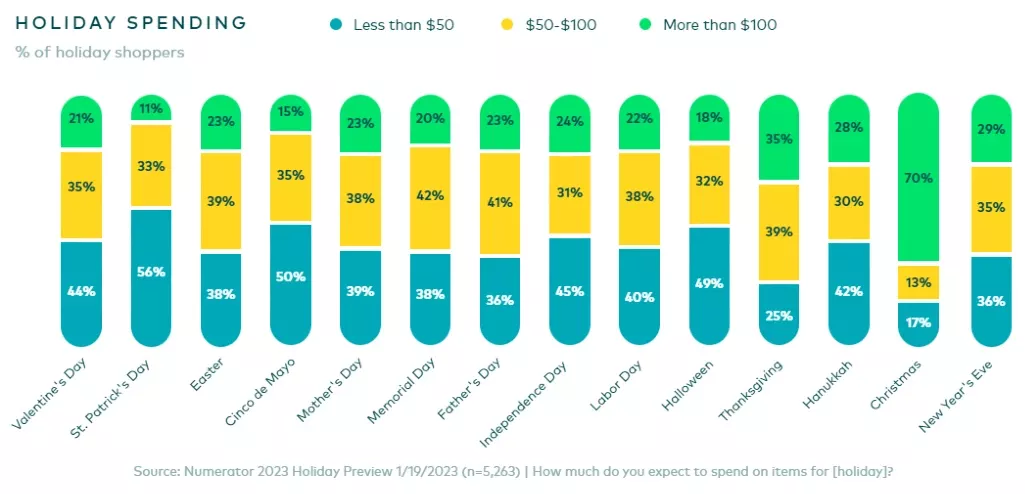
If you see how this changes because of gift buying that’s happening across the board, it's really important that we adapt to this change. And I'll walk you through what that adaptation could mean.
Emotional Triggers to Focus On
The other thing I want us to be conscious about is the emotions we're trying to appeal to. The reason why that's important:
- the messaging you will do on your site
- the things you will call your products
- the way you will call out your sale
— All of that has to, at the end of the day, psychologically appeal to the customer you're running it for.
So I just want us to be subconsciously aware of the feelings we’re going after:
- Joy and excitement
- Urgency and FOMO, triggering impulse buying — “Oh no, it's only 4 days, it's not going to reach in time, we have to buy something”
- Love and togetherness — family, kids, parents, whichever direction you want to redirect your love
- Surprise and delight — almost everybody likes that
- Nostalgia — retro storytelling, that sort of stuff
- Comfort and security — stress-free shopping, free returns, “It's fine, you sure need that $600 gadget”
- Belonging and inclusivity — bringing in some diversity, making people feel comfortable; you don't need to voice any flags, just try to be as inclusive as possible
- Generosity and gratitude — give back as much as possible
Now, throughout my conversation today, I'll try and help you articulate how you could bring in all of these emotions.
And I have a bunch of examples. Admittedly, some of the ideas might be average, and some of the ideas might be amazing, so you can keep what works for you.
I'm trying to make sure — because we have sites today that range from people selling bags to mobile accessories to people selling car parts to all kinds of things, and fashion of course — there's a wide variety.
I just want to make sure we are able to give ideas to everyone today.
Emails
Let's start with emails.
1. Foster emotional connection with yearly round-ups
The first thing I feel we can do before the sale is do a yearly roundup, and that's a great way to get engagement on promotional emails. If you see, your promotional emails are usually one-third or half in engagement compared to all your other emails — your workflow emails.
And the reason for that is because they are becoming monotonous. They contain an offer, they're trying to make people buy, and people know you're trying to make them buy, so it's not worth their while to dive in.
So this yearly roundup, similar to what Spotify does — and now YouTube has started to do it, and now everybody is starting to do it slowly — is just to make sure you're reminding people that, hey, you know what, here's your history with us, and here's a little gift from us because you have this amazing history with us.
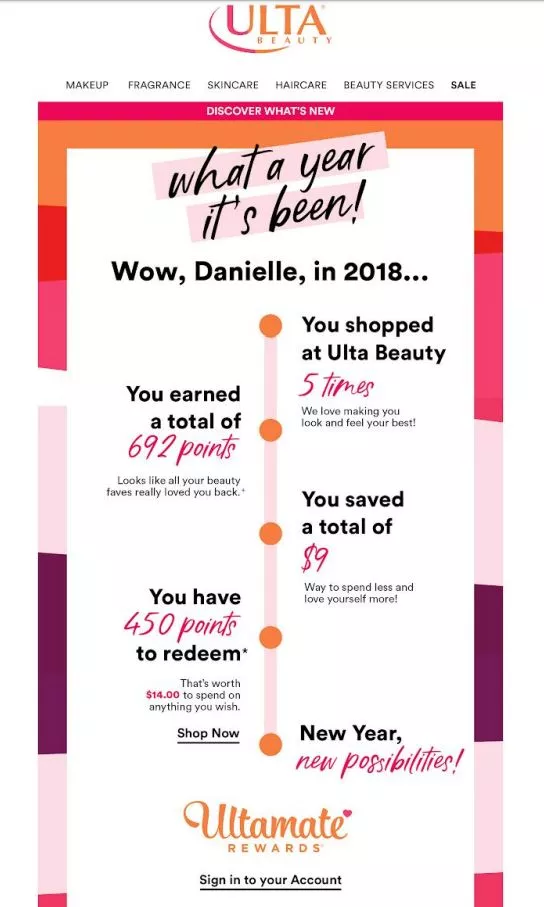
Executing this is not hard. If you're set up on Shopify or any other similar e-commerce platform, getting this data, knowing who your VIP customers are, knowing who your high-value customers are irrespective of frequency — those things are not that hard.
You need some Excel crunching, and you should be able to get there. But I recommend you put in that effort because something like this really, really clicks really well.
2. Celebrate smaller holidays between the bigger holidays
The other thing is: don't rely on the Christmas, and the Thanksgiving (and the Black Friday) email alone.
I feel brands overdo it, and the problem during that time is that the inbox is flooded with everybody and their uncle sending an email about a sale.
It's impossible that you will be able to — unless you have extremely, extremely sticky brand recall and people are really looking for you in their inbox — it's going to be very hard to get that outsized amount of return on your emails.
Email rules were changed this year, so you cannot overspam your list. Do not do that at any cost.
I promise you that if you do that, your domain reputation will get hurt, and it will not come back. So if it gets hurt by the end of November, it will not come back for Christmas. Just be wary of that.
Instead, use all of these amazing opportunities that this season is giving you to remind people about something else.
There's
- Free Shipping Day,
- First Day of Winter
- National Deal Week
- World Quality Day
- Veterans Day, etc.
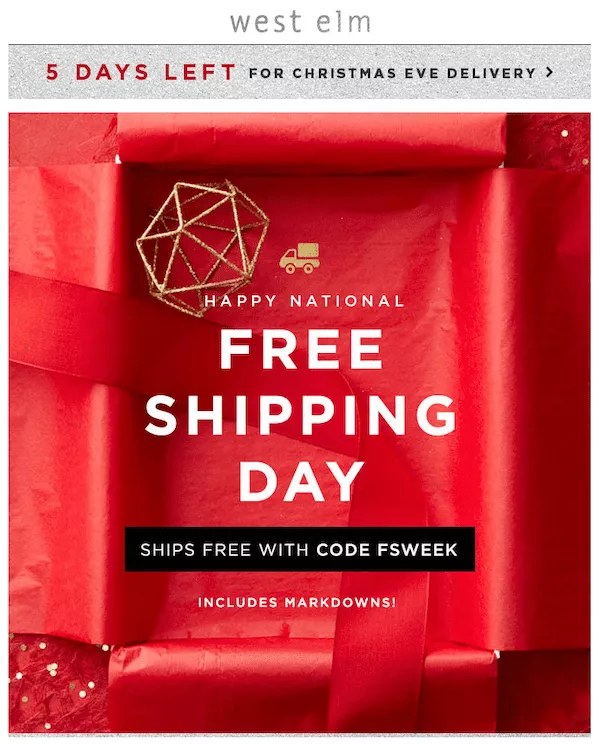
And you could also do a funny take on it. Like: it's World Quality Day, and our favorite quality is the quality of a good customer — maybe. I don't know.
I'm just saying it's up to you as a brand to personify and align these days with your way of promoting. But that's really what you're getting after.
3. Being human >> conversions
The other thing I feel brands don't do a lot — and the next two or three ideas are similar — is just be different.
I think in a lot of cases we try to achieve too much through emails, whereas the fundamental job that an email gets done is: give them a reminder. That's all it gets done. So you can actually use that opportunity to give them a reminder while also giving them a reminder about other things.
For example:
“Hey, you know what, stock up on candles, charge your devices, get those groceries, check in with neighbors who may need assistance, check in with that old guy on the street…”
All of that. I'm just saying that the niceness should not be a second thought. It should be something that people think about along with your brand.
4. Instead of the usual discount appeal, show your commitment
Instead of the usual discount appeal, try and show commitment.
“Hey, you know what, we know we're going to get thousands of orders, but we promise that we'll deliver the best quality product possible.”
In this case, for example, the brand — instead of calling it Black Friday — wants to call it Long-Term Investment Friday.
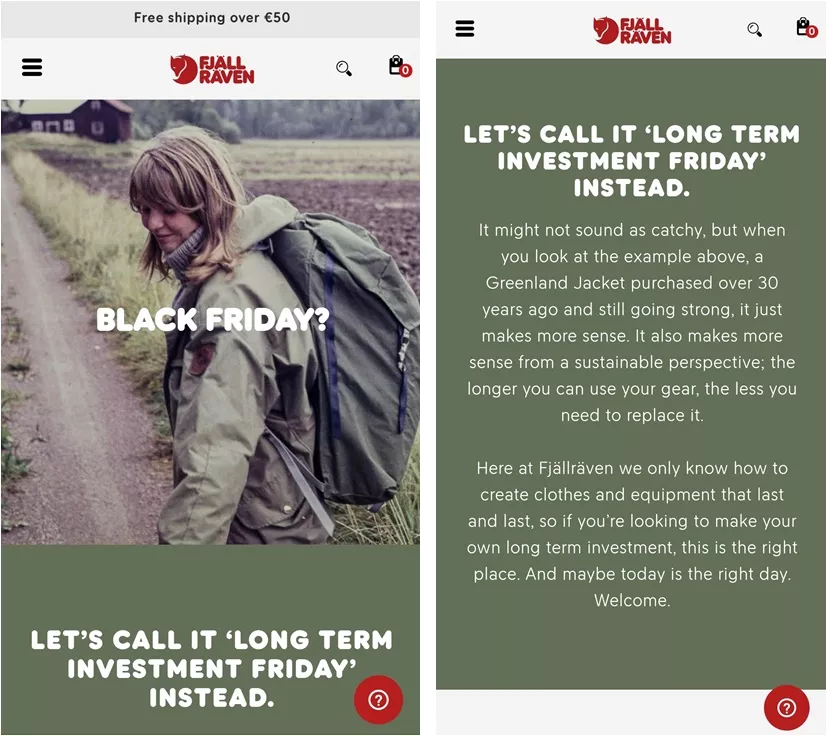
Because when you're buying a jacket or a piece of equipment from us, it's a long-term investment. It's never going to go anywhere.
5. Skip the holiday decor sometimes, go the minimalist route with text-only emails
Also, sometimes forget about the holiday décor. Just send a simple text email. In fact, I recommend — because I know about 85% to 90% of the attendees today are e-commerce founders or owners — why don't you handwrite the email for once? Just don't do any design. Just say:
“Hey, {this person here}. I think we've all had a fairly eventful year. There's so much happening around the world that distracts us all the time, and it's disturbing at so many levels. So why don't you buy a gift for that loved one who needs to know that you care?”
A simple message written in text can really work.
6. Show more than one way to use your products
Also, you can showcase your products really well. I feel email is a communication channel; it's not a sales channel. It is often confused as one. It is often only used to sell — send sales, weekend offers, flash sales, free shipping, here's a coupon, here's products that you saw before, here's new products we're launching. So it's really sell–sell–sell.
Instead, show them products being put to use. If you have user-generated content — actual customers using your products — showcase that. Or any other way in which you can essentially win customers by pitching or showing the product in a proper way.
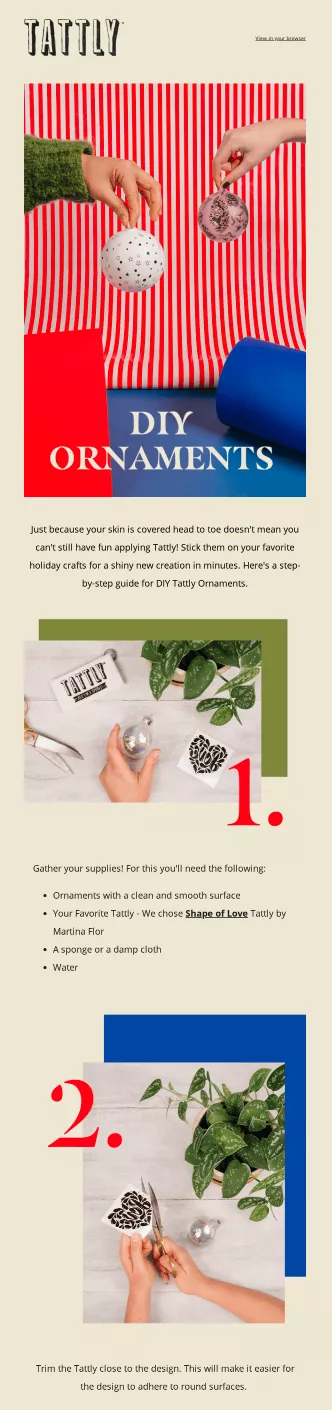
Okay, so that's about emails. Again, I'm not going to talk about ideas today which are run-of-the-mill.
The next thing we want to get into is social media.
Social Media
And the underlying message I want to put across is: there is probably nothing more powerful than being a brand that helps make the world a better place — apart from doing business. And trust me, your customers will prefer you every day of the week if you're able to communicate that well enough.
7. Involve your influencers — and have them spread your cause
So with social media, and the influencers that you hire if you do, ensure that you're not just promoting stuff. It should not be one of those videos that says:
“Hey, I got this amazing product from this amazing company, and it's life-changing, and it's really nice—and you can order — the link is in my bio — and here's a coupon code.”
There's no problem with that, but the challenge with that is that it's extremely transactional, and everybody is going to be doing that. So there's zero differentiation.
Instead, if you can attach yourself to a cause — it could be the fact that your packaging is recyclable, it could be that you donate a dollar, or you plant a tree for every product sold.
Or, you feed a child in Africa or in India for every product sold — whatever it is, it would cost you half a dollar on an order to make that happen. And it adds immense value not only to the world but also to the customer who's buying your product.
So when you do that, ensure that these influencers, whose fundamental job is to evangelize, have something to evangelize and not just sell. Because that just mutes the entire messaging completely.
8. Spotlight ‘niche moments’ instead of the entire holiday season
Also, spot niche moments. Instead of just saying, “Hey, holidays are here,” the reason we added this idea in is that we see a lot of brands using very generic, meta-level messaging. The problem with that is it gets lost in the crowd. There's too much happening, and it's extremely hard to figure out what works and what doesn’t.
So I strongly recommend using niche messaging so that it is relevant to what you are. If you were to make a Venn diagram, it's:
what you are
what your customer wants
and the overlap of that is where your messaging should be.
9. Make your team a part of holiday marketing
The other thing I would do — and this idea and the next one are connected — is give a sneak peek to your customers into your warehouse, into your team. Do a dance.
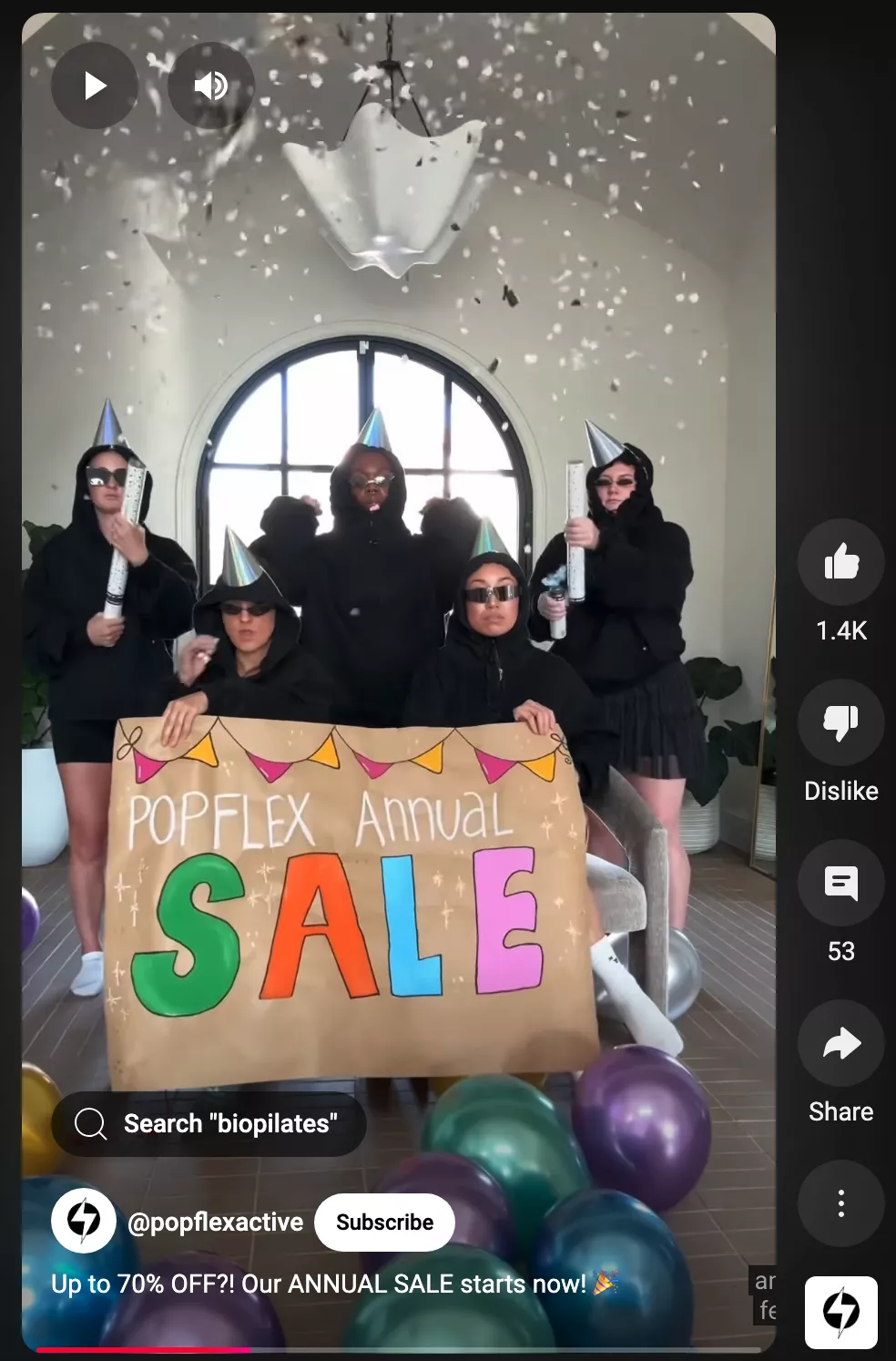
I think that authenticity is missing. I actually speak to a lot of Shopify stores. I spoke to a store yesterday, and they have a very specific art-related product. I can’t reveal details of course because we were analyzing and doing an audit for them, but their whole site had tons of products, lots of customer reviews.
It had an About Us section — no picture of the founder, no address. It had a Contact Us. It had a chat. It had a phone number, but no location.
It seemed like a pretty decent site, but there was zero connect.
It was essentially: “Hey, this is a business. You buy things and you leave.”
Whereas if you were actually a store on the street, that’s not how you would operate. You would greet everybody as graciously as possible when they walk in.
Possibly even offer them candies for every time they shop.
We are a very digital world, and it's very important to continue to keep the human factor upfront. And the easiest way to do that is leveraging social media or your own site to showcase your products.
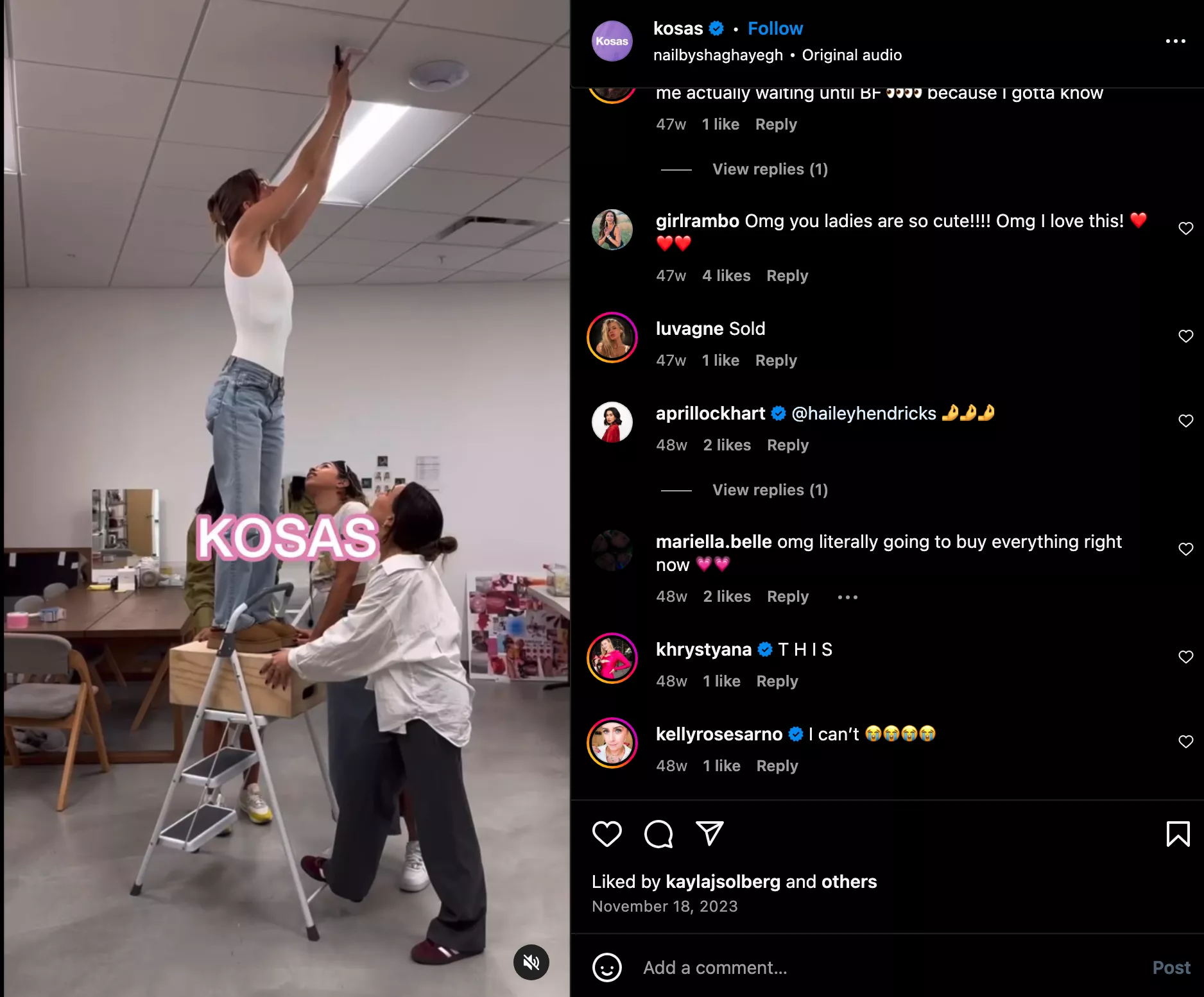
I give that advice a lot — I think your website homepage should have your photo as a founder because you stand for your products. Even your team, for that matter. And I think that pays its dividends many times over.
10. Create your own game
The next few ideas are just really—well, they're probably a little harder to execute, but they can be extremely powerful.
If you run a brand or if you have products that can be bought in multiples, then I recommend you create a simplistic points-based system or gamify the purchase experience itself.
That’s probably what we want to push with this idea. And why Roblox is there is something I don't want us to be too focused on, because it's going to be very hard to execute something that’s super technical.
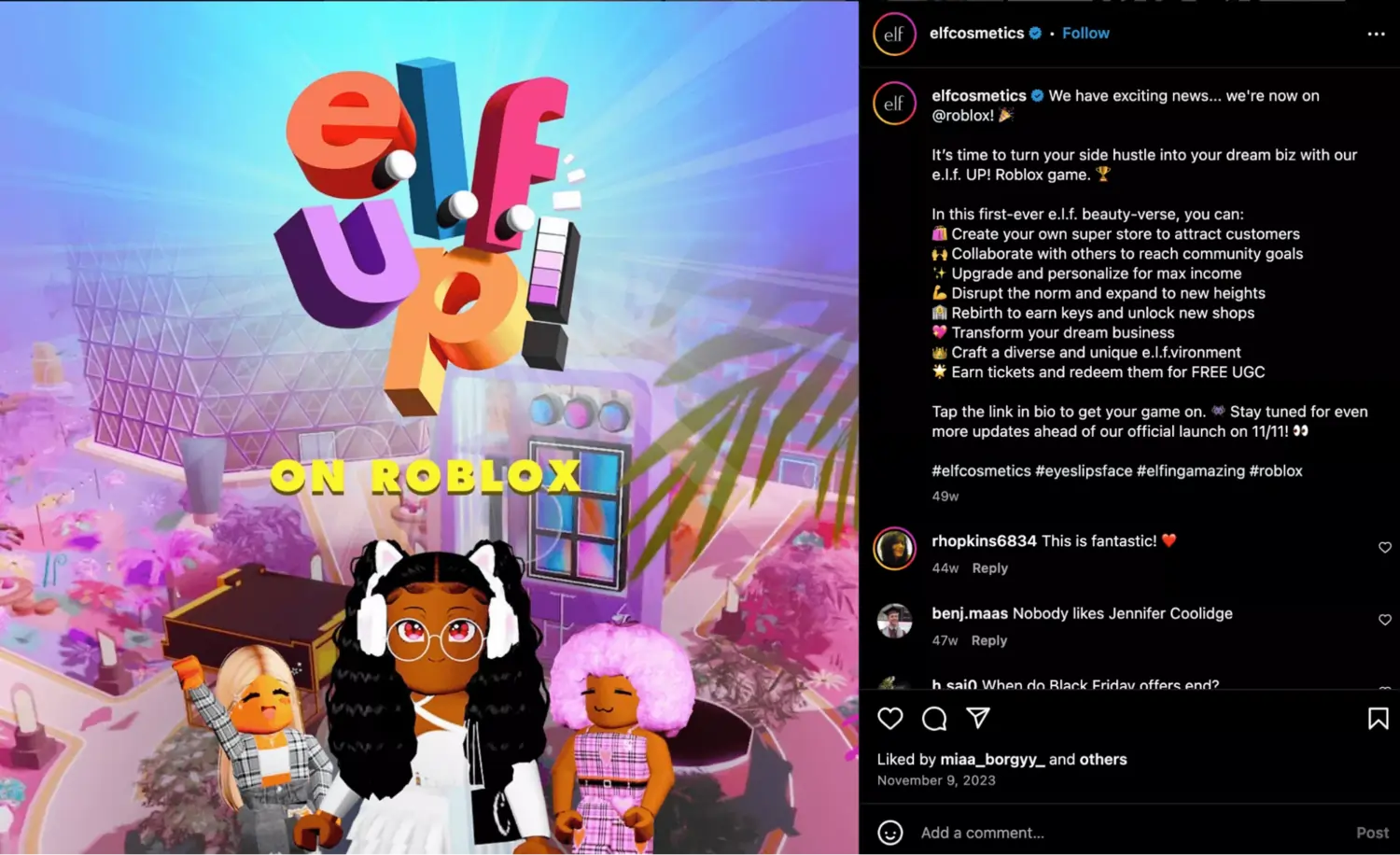
I also have another example later on from this company called Coach. It's going to be extremely hard to execute, but I'll still show you what they do.
11. Stand for a cause and be genuine about it
The biggest incentive you can give your shopper is that feeling of doing good. So I think this really emphasizes again what I said earlier.
12. Nurture your community
As a matter of fact, community building is probably the single most important trend that has been around us for the last three years. If you've not been able to tap into that as a brand, this is the time. It’s never too late.
And I’ll tell you why. When COVID occurred, everybody was locked in their houses, so the sense of community became digital. That gave birth to all of these Slack communities for founders, for marketers—they were there before, but they came alive big time.
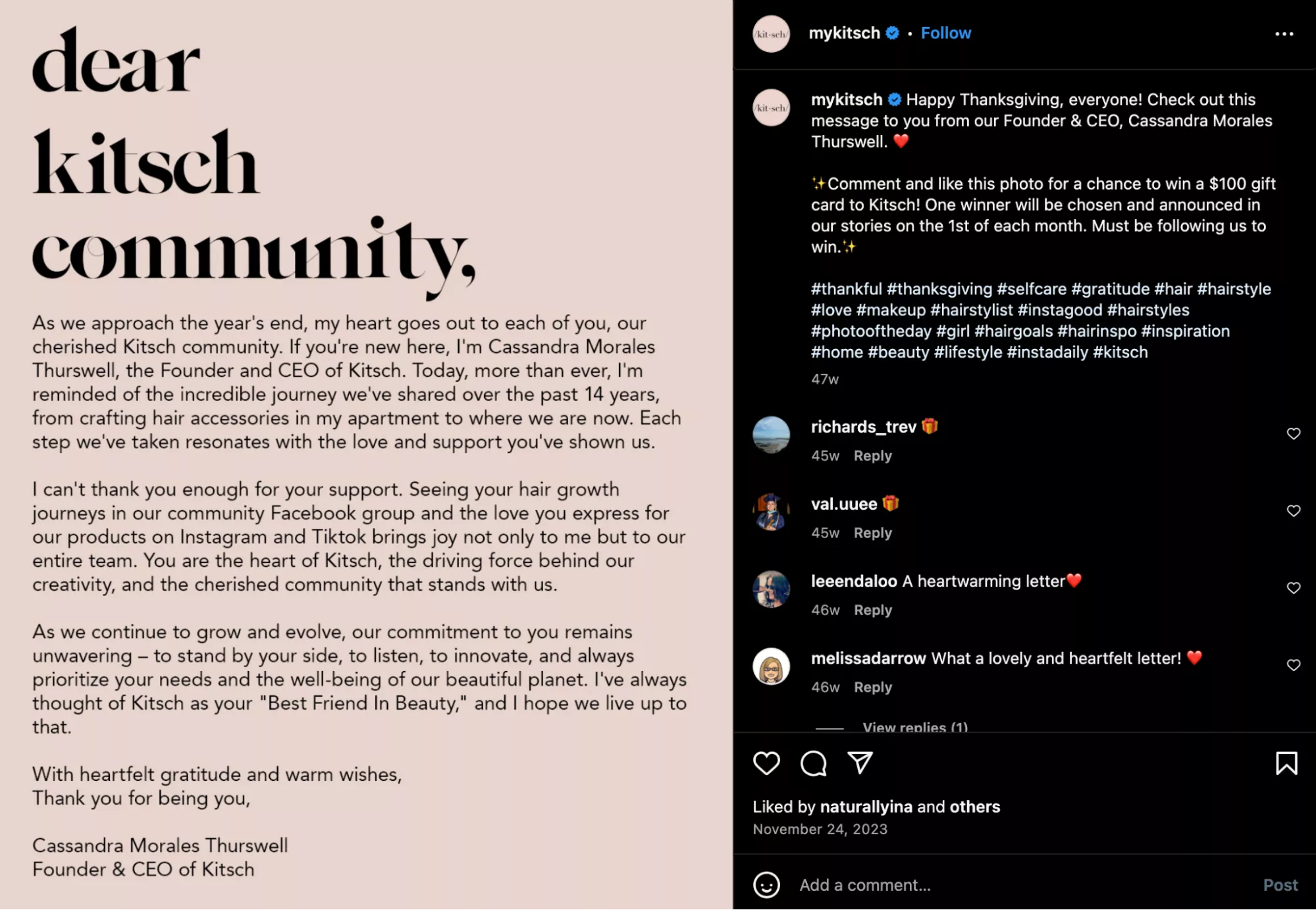
Yesterday, I saw a community for go-to-market founders and go-to-market leaders, and marketers for B2B companies in software.
Extremely specific.
When COVID occurred, communities kind of became a thing. They blew up because people were locked inside their homes. There are non-Slack communities which are 10,000–20,000 people strong.
In your case, as a brand, I’m not asking you to go build a Slack community.
I'm asking you to double down on the idea I gave you earlier about finding your most important VIP customers — people who bought from you say twice in the last one year, thrice in the last one year.
They are either already loyal or going to be loyal, and you want to bring them together. Put them in a single place and say:
“Hey, if you've bought from us this year, here’s what we're doing for you.”
Something on those lines. You call that community out, and then you take it to the next level.
Optimizations and Designs
Now let's get into the meat of things. I have some very interesting ideas on the optimization and design front, so let me walk you through those, and then we can open it up for questions after that.
13. Design Insta-style layouts (for shoppers with pre-established habits)
If you've not realized yet, even LinkedIn is doing stories now — God help us — they’re doing Reels. It's the reality. And I would want us to bring that into web in some way or form.
At Convertcart as well, we’re building a feature for this, which should be ready in a couple of months.
The fundamental point here is: you need content for it. That’s the reason we never did it earlier. A lot of brands we work with don't have the time, patience, or effort to put together good-quality vertical content. But everybody who had a decent social page was able to do it.
However, your website is not for content — your website is for products.
So you have to have product-specific content that can be put out as Reels or Stories on your site, and it has to be similar in the way the experience is delivered. I recommend you do this because it's inherently higher engagement, so it's a good idea to implement.
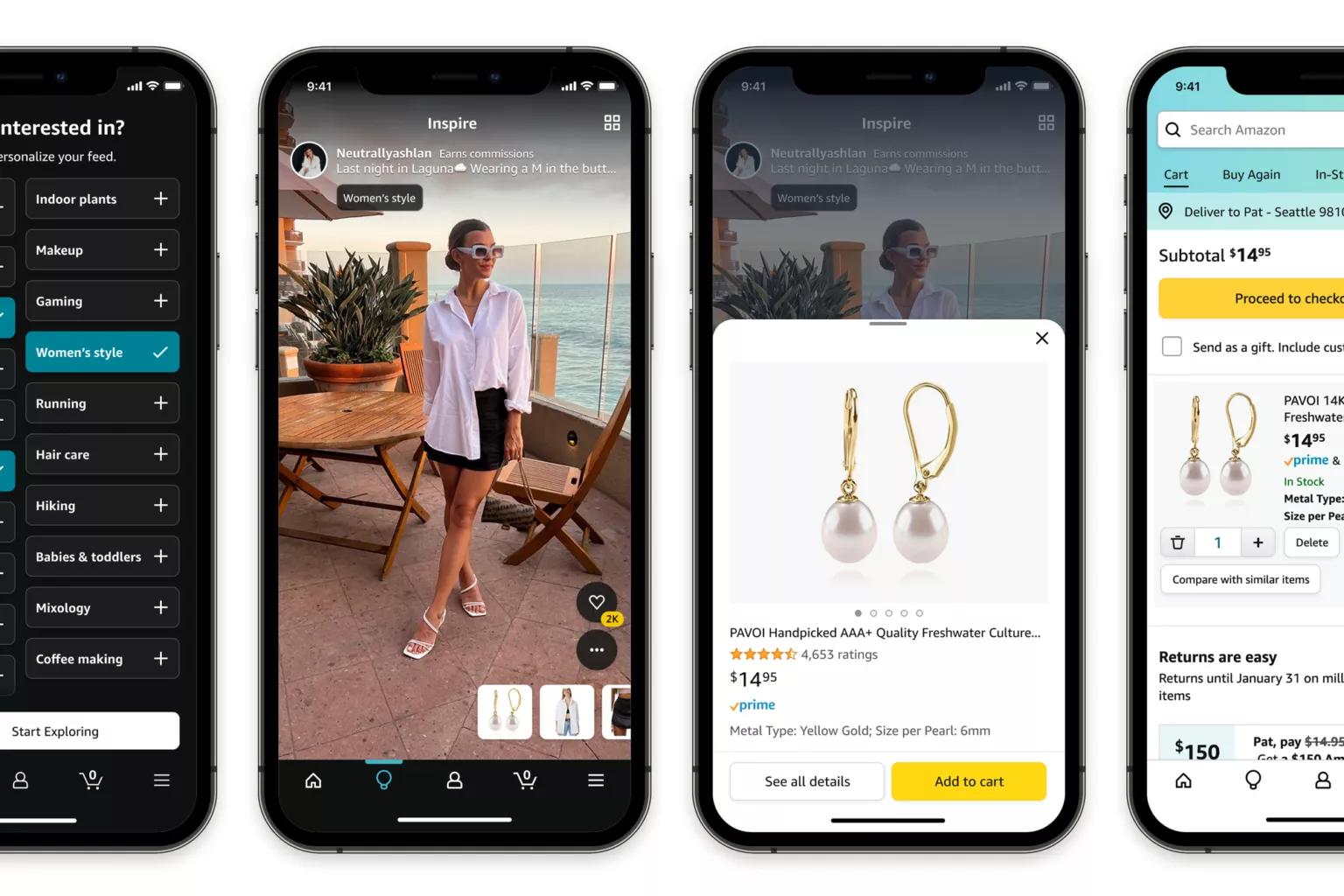
14. Deep dive into categories and filters
The other thing I would want you to definitely focus on is ensuring that product discovery on your site is operating at a top-notch level. And when I say that, I mean starting with search.
The visibility of search has to be amazing. Visitors that use the search convert five or six times better because they know what they want — they are your most important customers. So make sure your search is really visible and very accessible.
On mobile, it shouldn’t be on the top corner because it's very hard to reach there.
Then your categorization and filters should be very easy.
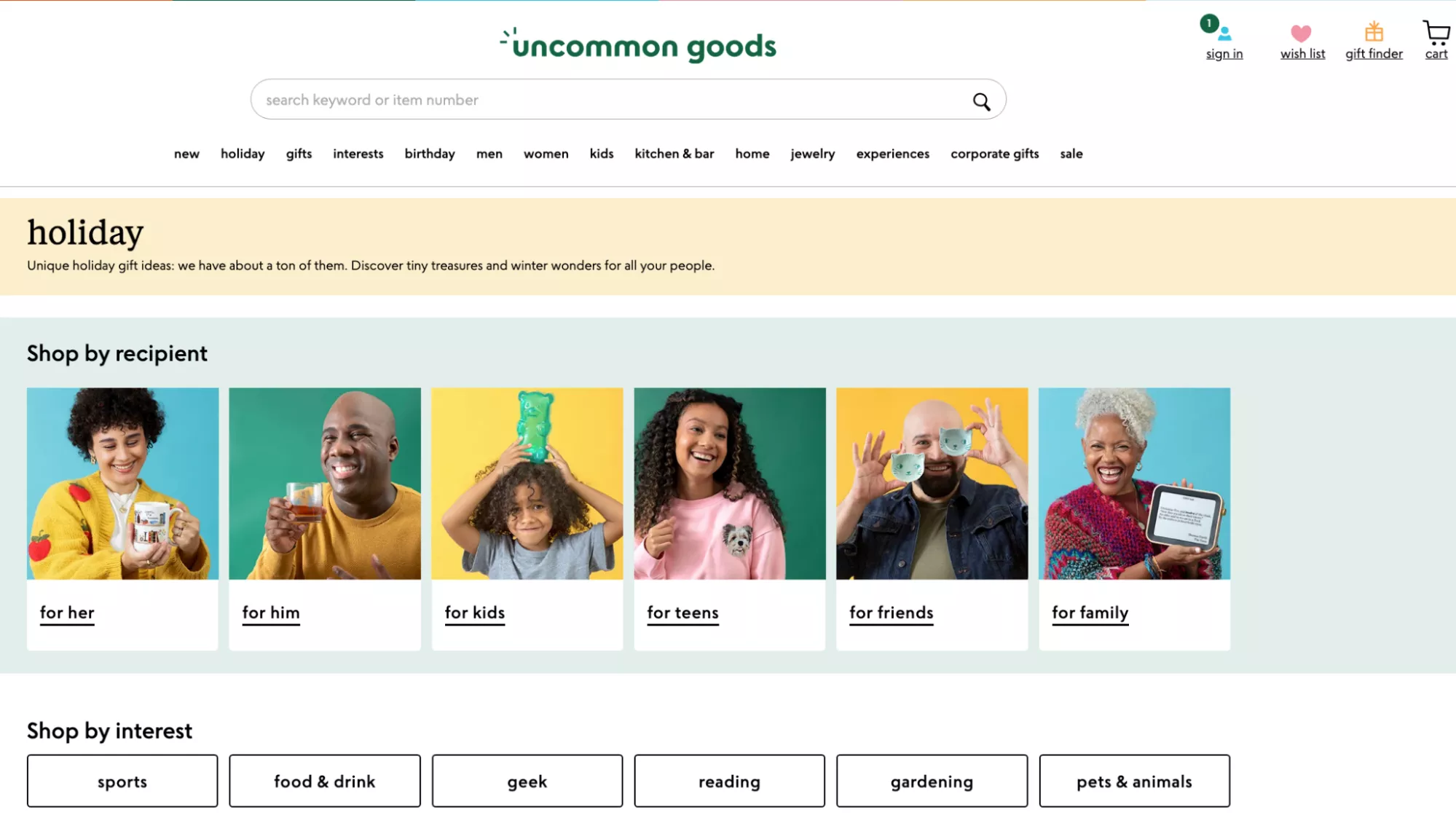
I'll give you an example:
We were recently working with a t-shirt store. They sell all types of t-shirts, all colors. We experimented — we ran an A/B test on a filter for colors. But instead of doing colors in the most conventional way, we added a filter that just said:
- Darker colors
- Lighter colors
That's it. Just two buttons — the kind of quick filters you see here.
We realized that this improved conversions drastically because that's a preference people have. It's an inherent preference. If I'm someone looking for a dark-color t-shirt, I'm okay settling for a dark blue or a dark grey instead of a black.
But I'm not going to go for a white. So we figured out that this store needed that because of the nature of their business.
So I would nail product discovery in a very, very detailed way as quickly as possible.
If you want us to take a look at that, and you want an audit of your site, you can just let us know after this webinar, and we'll jump on it. And we’ll not charge — if you're on the webinar, we’ll not charge you anything for it.
15. Plan ahead for shoppers
The other thing is planning ahead for shoppers. It's a very simple thing that a lot of businesses miss: proactively communicating, at least tentative timelines of when the product will leave the warehouse and when it can be expected to reach different parts of the country.
You don't need to commit.
You don't need to say it's going to reach the customer in 12 hours or 24 hours, or 3 days.
You just need to say things like:
- West Coast: 2–3 days
- These states: 2–3 days
- These states: 3–4 days
And so on.
Also, if you have the customer's location, then if you can do messaging around whether they will get it in time for Christmas or get it in time for Thanksgiving or not, that would be perfect.
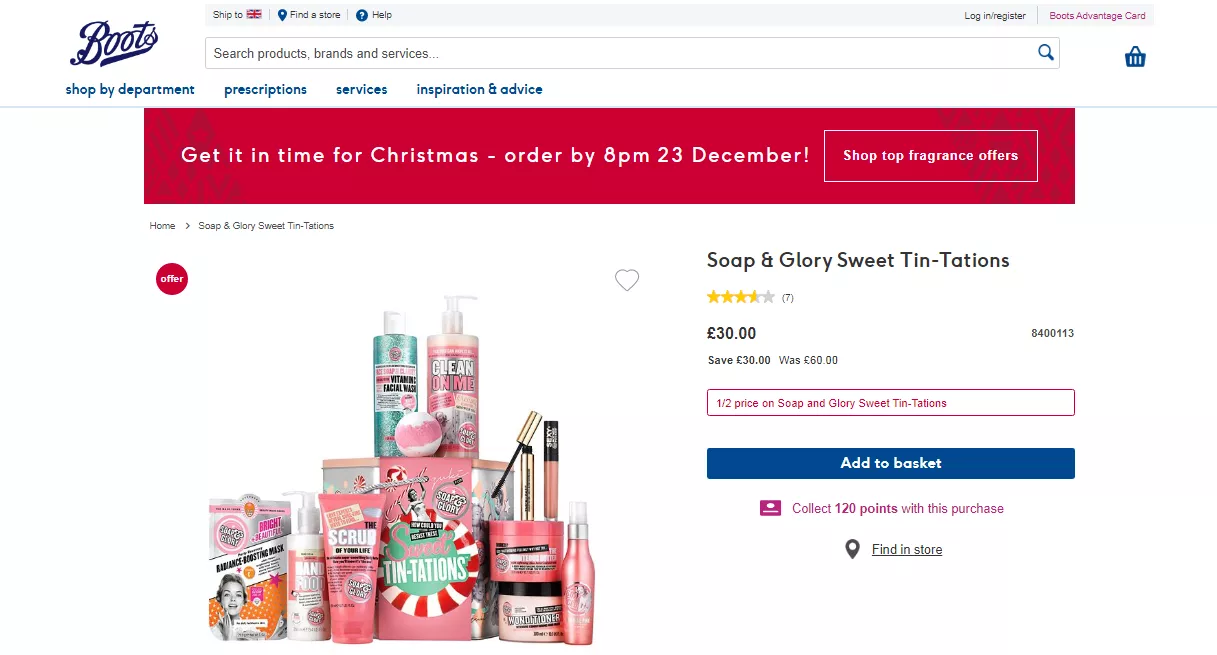
It’s also a fantastic way of handling in-stock and out-of-stock. One of the key filters I would want to apply — if it's relevant to your business — is:
“I only want to see products that can be delivered in the next three days.”
Because if it's not in stock and if it's not readily shippable, then I don't even want to look at it. That's my use case. That reduces the pain for your most important, highest-intent customers who are very sure they want to buy and clear about what they want to buy and their reasons for buying.
16. Instead of slashing prices, release limited-edition products
The other thing is: instead of slashing prices, try and do limited-edition products. And if someone can guess the biggest example of this — I'm not going to wait — obviously Ben & Jerry’s is one, but there's an even bigger example, which is the holiday brew from Starbucks.
They do it every year — those red bags of coffee beans. And it's average at best. At least that’s what I think. I'm not a coffee snob, but yeah, it's not like world-class, life-changing coffee for sure. But it's a brilliant example of how to avoid price cuts by launching products specific to the occasion.
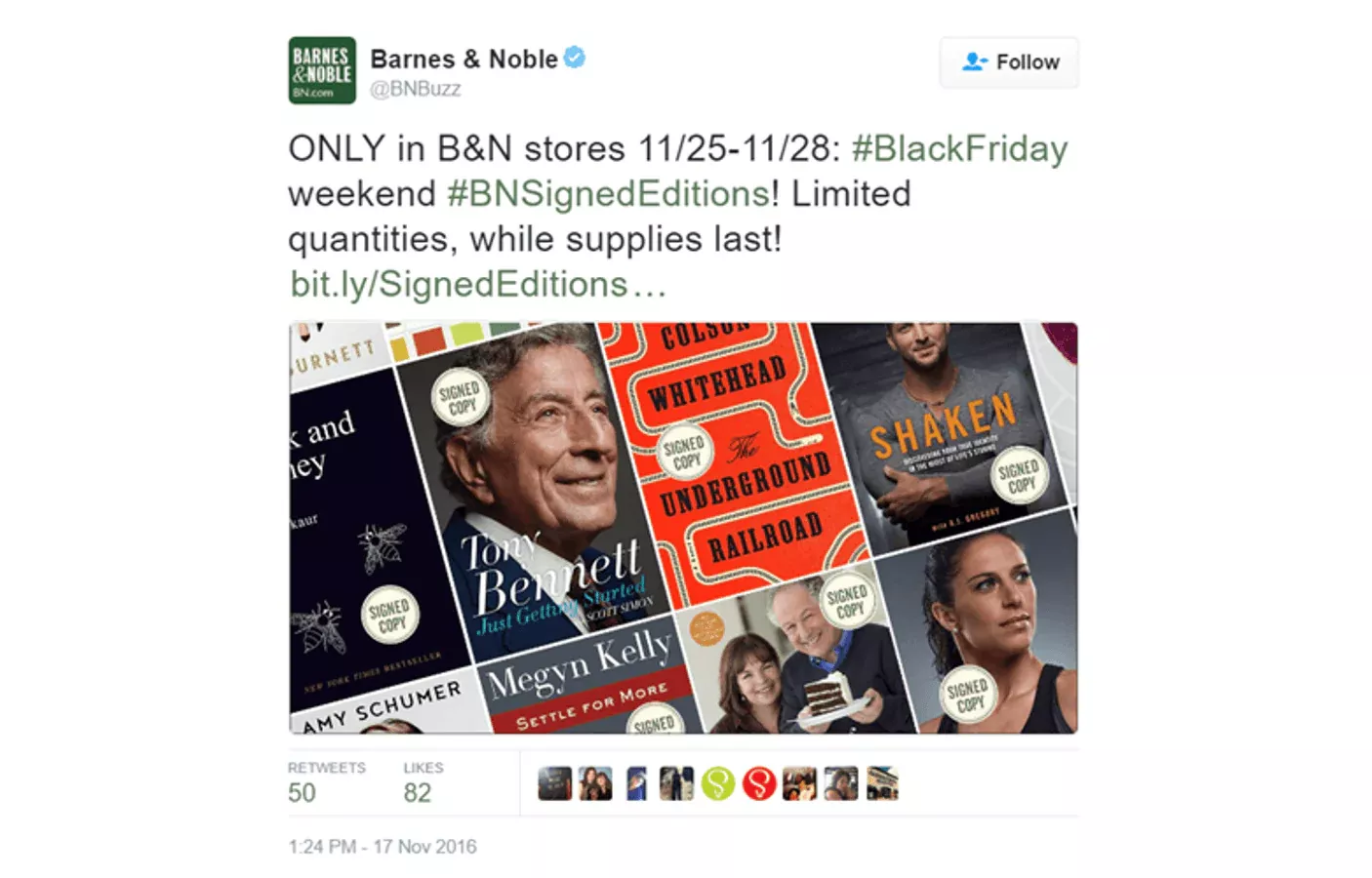
17. Repackage your products for the holiday season
Instead of launching new products, you could repackage what you already have. For example:
- A holiday blend
- A holiday hamper setup
- Bundles
- New sizes
- “His and hers” combos (like in the case of sweaters)
These things often don’t even need to be tested — you should just do them and deploy them on the site because they add immediate experience value.
I also want to assure you that if you’re set up on Shopify, WooCommerce, or BigCommerce, don’t let developers make money off simple improvements. These are very easy changes. I often see businesses paying $2,000–$3,000 or more to get a simple bundle page built. Let’s not try to do that.
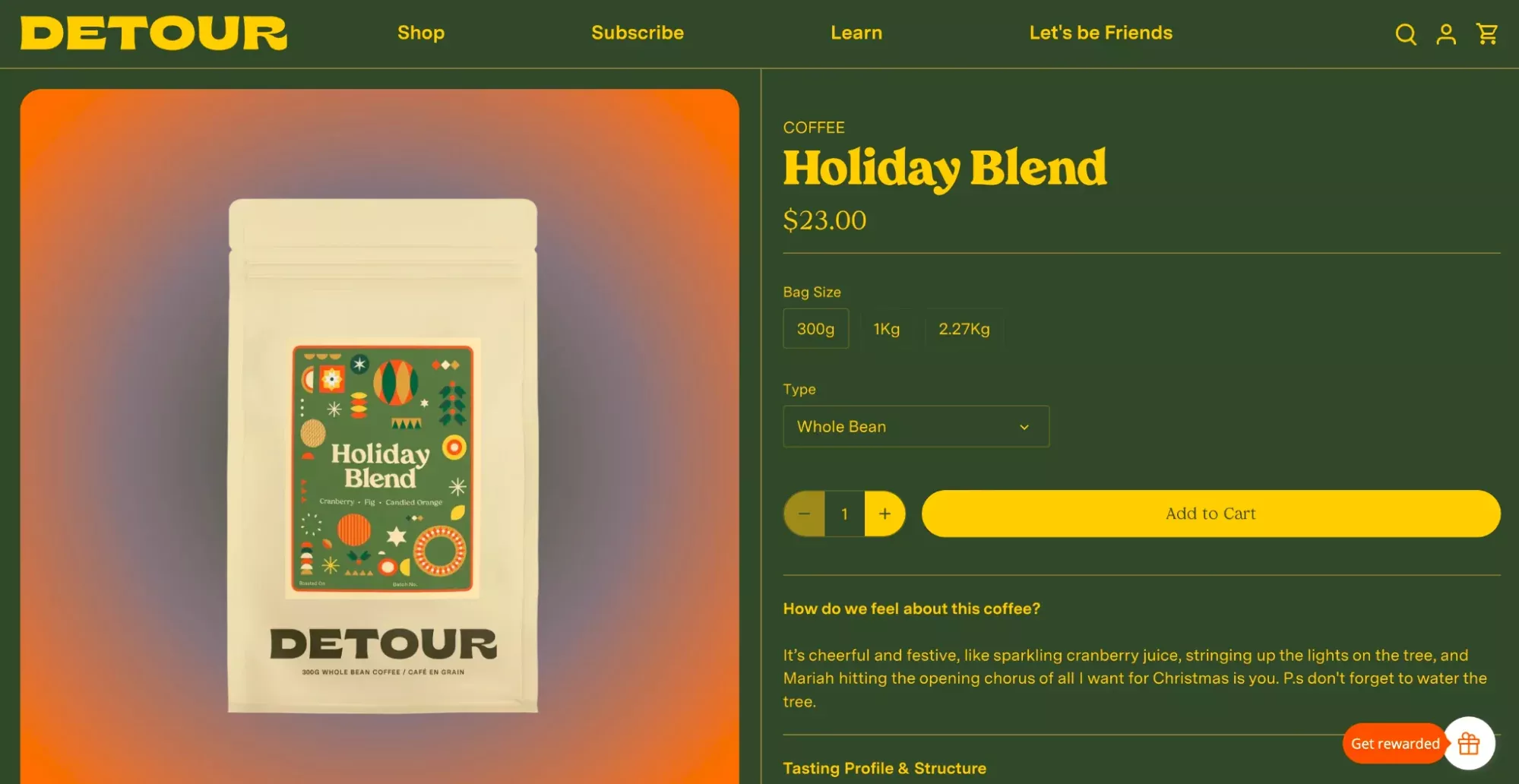
18. Highly gamified virtual store set with retro elements
This is what I was talking about when I mentioned Coach as a brand.
In their case, what they did is, they essentially created a virtual store inside their site — their holiday store.
There was a call-to-action on the homepage that said: “Visit our holiday store.”
And there was actually a walkthrough, a 3D virtual store experience.
The reason we brought this example here is because this is the highest level you can take your holiday shopping experience to on your site.
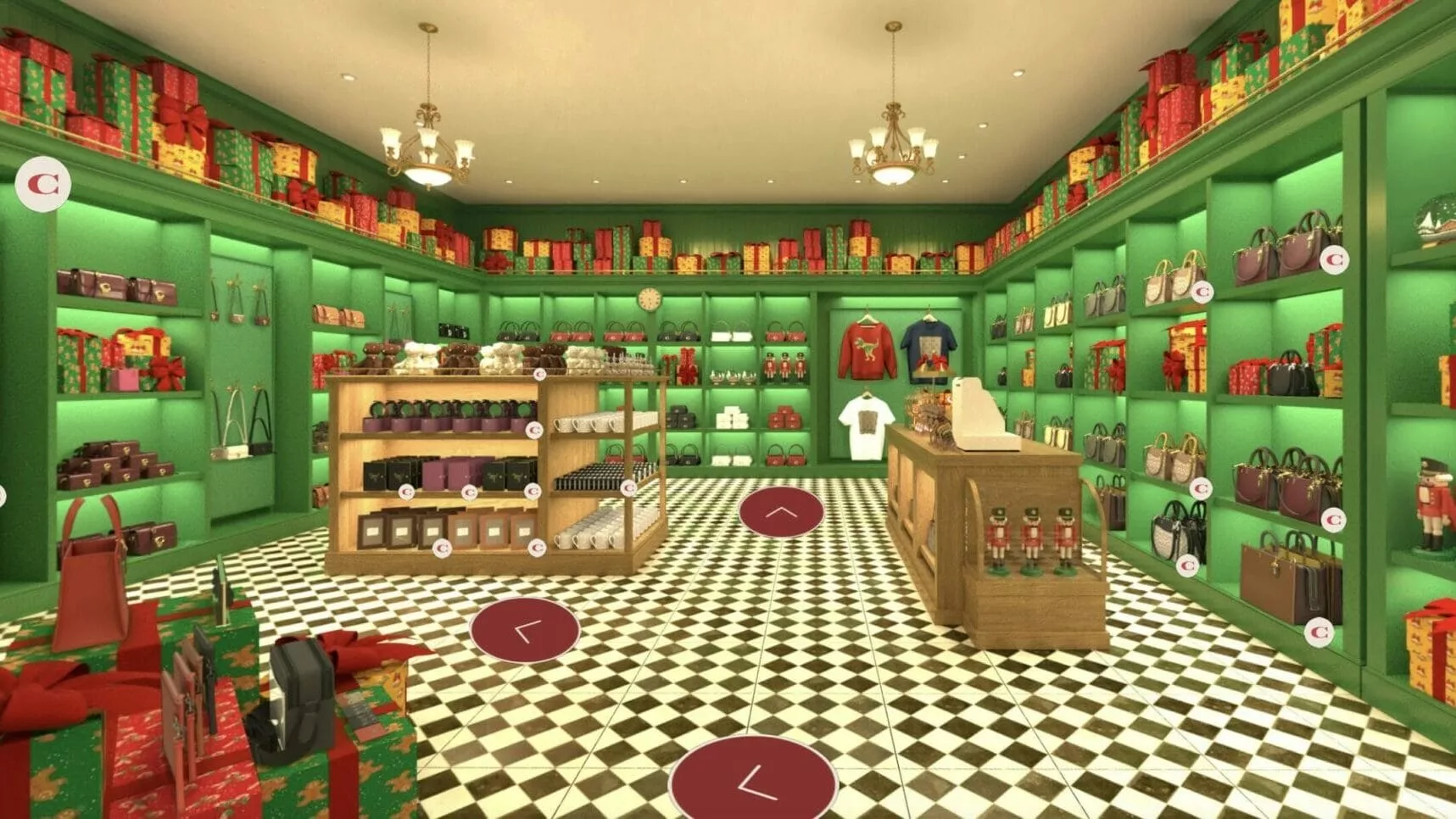
This doesn’t work very well on the phone, so I felt it’s excessive. But somebody on the brand team at Coach wanted to spend all the money they have, so they did this.
But my limited advice here is: brands will go really far to make sure they’re putting an experience together that engages customers — whether it’s a scavenger hunt or something else.
The best way for you to achieve this for yourself is to gamify your experience in at least some way, even if not at this massive, expensive level.
The other thing that the holiday season does for us is this:
All of us spend excessive amounts of money on advertising, and that brings in a lot of new traffic to the site — people discovering the brand for the first time. Because everybody’s trying to be different with the gift they give, this period naturally increases discovery.
So it's very, very important that you collect emails — and that you're creative about collecting emails.
For example, if you're selling bags, I would create a fully custom pop-up of a zipper. The user sees a virtual zipper loading a bag, they “open” the zipper, and then they get an offer — and they have to give their email ID.
The engagement rate on such creative things is very high, and that’s exactly what you need. Because these new customers are never going to visit your site again in January onwards.
You're not going to spend 30K, 40K, 80K, 100K on ads after this month. The only way to bring them back after the season is email.
So this is the best opportunity for you to grow your email list.
And this is kind of the maximum sort of gamification, pushed as far as possible.
Five or six more ideas.
19. Embrace your brand’s humorous side and spotlight your values
In this case, Cards Against Humanity said:
“All Cards Against Humanity products are $5 more.”
Cards Against Humanity does this. Another brand that does skins for phones — called Dbrand — does this as well. They’re positioned as if the robots are running the company, so they're extremely rude to humans. Their entire marketing is very interview-like. In this case, you can see the call-to-action is
“Consume.”
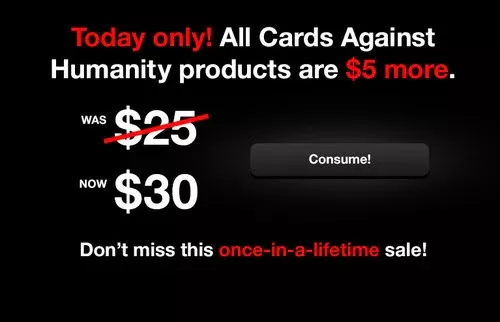
Their emails are similar — subject lines like:
“Just buy.”
They’re just trying to push people into doing things, and it's hilarious.
My point is: it’s okay to take it easy sometimes.
We take our brands too seriously. Obviously, it’s important to stick to your brand guidelines and fonts and colors and all that, but you don't have to be that serious. You can play around a little with how you communicate, without breaking the law of your brand voice or your colors.
20. Share insider tips
Share insider tips. Now I'll give you a very interesting — a very, very interesting — piece of advice.
Walmart acquired a massive e-commerce business in India called Flipkart. This business runs huge, multi-million-dollar sales every year — once a year — and one of those sales is called Big Billion Day.
What they do two or three days before the sale is:
They make public an Excel sheet with:
- the name of the product
- the product’s MRP
- the Big Billion Day special price
- a key value prop
- and the link of the product
They create a cheat sheet.
The brand itself creates a cheat sheet — and makes it public.
And what starts to happen is:
It’s not on their site, it’s not on social media — it just circulates on WhatsApp and SMS saying:
“Hey, the cheat sheet is out.”
Now it’s become an annual thing that, before Thanksgiving or before Prime Day, there will be a cheat sheet which tells you what’s coming.
What happens then is:
All phone and mobile, and appliance purchases basically stop for four days leading up to that sale. And then it's an explosion of purchases.
So it’s important that if you can create a sharable guide, a pre-sale cheat sheet, something insiders get early — that can work wonderfully. If you’re a large company, it’s easier, but it’s not mandatory. You can still do it as a smaller brand.
Again, remember: you're doing this for people who are already aware of you.
So try and find people who bought even once from you in the last year — and give them a sale cheat sheet.
21. Make gifting easy
Let’s get into gifting.
I wanted to share this image and just say that creating bundles does not always have to look like this.
All bundles don’t need to look like hampers, and all hampers are not bundles.
What I want to make sure I communicate is: Gifting is the number one use case you have to solve for — irrespective of the industry you're in.
Just think “gifting” and solve for that in the most accurate way possible.
When I say that, I want us to solve for gifting in multiple layers:
a. Discovery
Can I make sure the customer finds a meaningful enough gift within the budget they’re trying to buy for, the gender they’re buying for, the age group they’re buying for — etc., relevant to your business?
b. Conviction
Can I convince them this is a great gift? Social proof, trust, reviews, imagery — everything matters here.
c. Presentation
Can I make sure it looks like a gift? Can you create a bundle or a couple of products together that make a Christmas- or Thanksgiving-worthy gift?
d. Incentive
Can I push them over the edge to buy?
Discounts, bonuses, rewards — whatever fits your brand.
Bundling is often overlooked or done in the most predictable “hamper” way.
But gifting doesn’t have to look like a wicker basket with 10 items inside it.
I recently saw a hamper from a popcorn company — and trust me, I’ll send the picture to all of you in the follow-up email after the webinar — but they were selling packets of popcorn in a gifting hamper. For Diwali. And I thought, “Who is gifting popcorn for Diwali?”
But that listing on Amazon had 3,500 reviews.
So clearly, people were buying it. The value felt right.
My point is: Make gifting extremely easy.
22. Pay it forward discounts
The other way in which you could make gifting very rewarding is by doing pay-it-forward discounts.
I've said a lot of good things about gifting, and a lot of good things about being more giving as a brand. I now want to give you two ideas that are a little more capitalistic — while still doing good in some way.
Pay-it-forward: If you're selling lower-value products, ask people to buy two, and you'll deliver one to someone in need.
If you're a single-product site, feel free to ask people to buy two and you will gift one to someone who needs it. You can specify who that “someone in need” is — which makes it even more meaningful.
Why does this work?
- You're selling two products at a time.
- You're giving customers a “good karma” moment.
- You can still give a discount on the second one — the one going to someone in need.
- It positions you as a thoughtful, socially aware brand.
It makes customers feel good because — let’s be honest — a lot of people do good because they want good to happen to them.
This is brilliant for cash flows.Last year we suggested this to a brand. I had full access to their business so I could see the spike — it was incredible. People lapped it up because, during the holidays, people want to feel generous.
Your messaging should invite that emotion.
In this case, for example, McDonald’s had a version of this — “Pay for the next person in line.” Then the next person does it. And so on. (There’s a hilarious Key & Peele sketch about it — “55 burgers, 55 fries, 55…” — I’ll send that link as well).
23. Priority Processing
And the last one — which is again a very capitalistic idea, but I still want you to go ahead and figure out if you want to do it — is this:
There will be orders.
People will want to get products on time. And they will be happy to pay more for it.
So priority shipping is one way of doing it, which is handled at checkout.
But there is another way: You can ask for a dollar or two extra for priority processing.
If you're getting 300 orders a day, maybe 30 or 40 of them can be processed on priority and shipped out first thing in the morning. That increases the chances of them reaching in two days — much more than the rest.
We've A/B tested this.
It does not hurt conversions.
At least where we A/B tested it, it was successful 60% of the time.
And it improved AOV — even if only a little bit.
But this is basically bonus revenue.
Zero effort.
Zero cost.
It goes straight to the bottom line.
It's money you can pocket immediately.
So this is another way you could do that.
Customer Service
So those are my suggestions for unconventional ideas for Christmas.
Please feel free to put your questions in the chat as I go through three or four more things, which are about customer service. And if you can figure out a way to integrate AR, etc. — slightly more far-fetched ideas there — but I’m open to taking questions in the chat or in the Q&A.
I'm jumping into the customer service side of the conversation now, so please type in your questions if you have any, and I'm just going to keep going.
24. Integrate AR into your virtual assistant
If you're selling a product that can be worn, applied, or tried on, there are plenty of very cheaply available SaaS tools you can plug into the site that allow people to try things on — including lipsticks and everything else you might be selling.
We have three or four businesses that sell such products. Please go and implement these.
They're nothing — $30, $40, $50 a month. And they will transform the way people see your products.
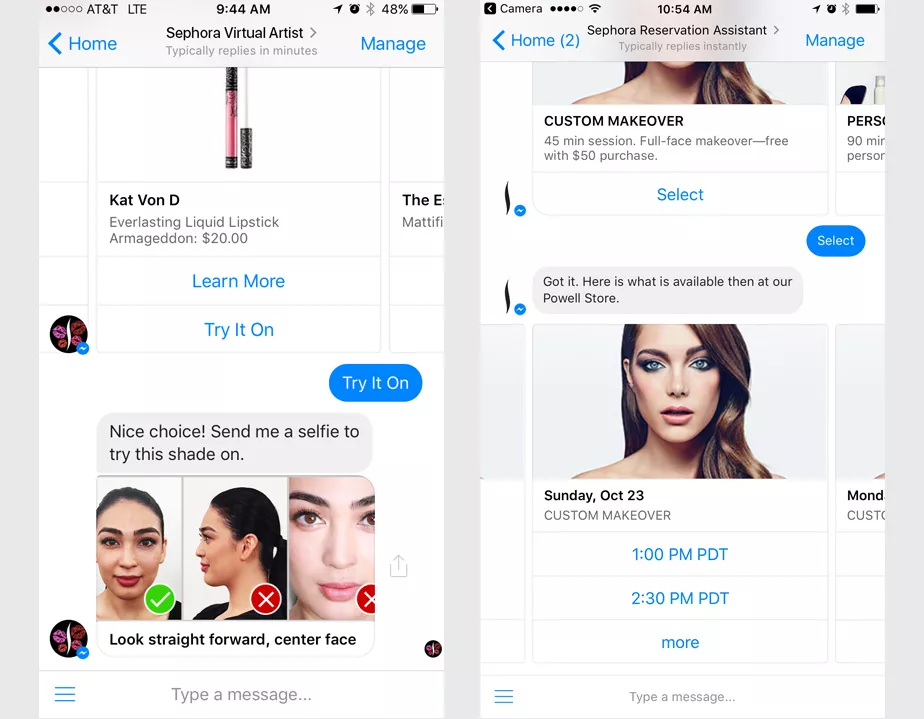
25. AI-Powered 24/7 Support
Make sure — at this point — if your site does not have a chat, you're already behind. It’s the second most preferred channel. People don't answer calls that often — they chat more often.
26. Create helpful guides
- Pickup or delivery-related holiday questions.
- How to wrap products.
- Gift cards.
- Expected delays.
Make questions really accessible. Because as order volume goes up, complaints also go up.
27. Make your chat holiday specific
This is a simple example of helping someone find a gift, but there are many ways to handle this. Depending on the time on site, depending on whether they came from an ad or organically — you can understand what they need and proactively offer help.
Closing & Wrap-Up
So those were our unconventional holiday marketing strategies. We wanted to make sure “unconventional” is the operating word there.
Folks, if you have any questions, I'm happy to answer them. As I said earlier, I'm sorry if I was a little bit low energy today, but I really hope you were able to find at least one idea you can go and implement — and that it helps your business in any way possible.
I'm just standing by for a couple of minutes to see if we have any questions. Otherwise, we will conclude.
Thank you so much for your time, folks.
Get Fresh ideas to boost your conversion rate
(stuff that works for hundreds of stores)
Request a Free Site Audit"Convertcart’s Audit Report was deep and insightful. We never thought they would spend so much time in building and sharing such insightful content, free of cost."


Logan Christopher
Lost Empire Herbs