Ecommerce Growth
2026 eCommerce Trends (Ideas Beyond Just AI)
December 8, 2025



.png)
If eCommerce felt intense last year, 2026 feels like a different game altogether.
Shopping is no longer about searching, browsing, and comparing the way it used to be.
It’s becoming conversational. Guided. Emotional. Instant.
At the same time, customers are more cautious with their money, more vocal about what they care about, and far more sensitive to what feels real versus what feels manufactured.
What’s emerging now is a new mix of eCommerce trends, CRO trends, and eCommerce growth trends that feels deeply human on the surface, but highly technical behind the scenes.
AI is reshaping how people discover products. Trust is overtaking discounts as a conversion driver. Stories are outperforming polished narratives.
And small behavioral shifts, how people ask questions, swipe through content, abandon carts, or interact with chat, are quietly redefining how brands grow.
This isn’t just another “trend cycle.” This is a structural reset in how retail eCommerce trends work.
The brands that win in 2026 won’t necessarily be the loudest, the cheapest, or the most automated. They’ll be the ones who understand how modern shoppers actually think, feel, hesitate, trust, and decide.
Here’s what’s really shaping trends in eCommerce right now and why it matters more than ever.
eCommerce Trend #1 Shoppers Aren’t “Searching” Anymore, They’re Asking
eCommerce Trend #2 The Rise of the AI Shopping Assistant Customers Actually Love
eCommerce Trend #3 The Quiet Shift Toward Local, Limited, and Reliable
eCommerce Trend #4 Experts Are The New Influencers
eCommerce Trend #5 Google’s Chat-to-Checkout Automation
eCommerce Trend #6 Design for Swipes, Not Search Bars
eCommerce Trend #7 From Lost Carts to Real Intelligence
eCommerce Trend #8 Authenticity Is Outselling Perfection
eCommerce Trend #9 Community At The Core of Conversion Influence
eCommerce Trend #10 Tailored Content That is Hyper-Nuanced
One of the biggest shifts shaping eCommerce trends for 2026 isn’t a flashy new platform or a viral sales tactic.
It’s something far more subtle and far more powerful - the way people search.
With the launch of shopping research inside ChatGPT in November 2025, we’re watching search behavior morph in real time.
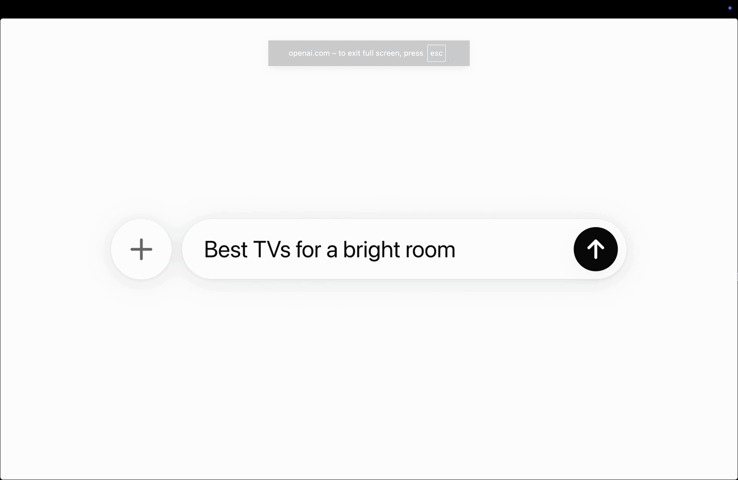
Shoppers aren’t typing short, awkward phrases like “best bedding for home” anymore.
They’re asking real questions, the same way they would talk to a sales associate:
“What kind of wool duvet works best if I overheat at night?”
And instead of clicking through ten links, Google or an AI assistant simply gives them a clear, direct answer.
That single shift is quietly rewriting how SEO, CRO, and eCommerce growth all work together.
What this means for the latest ecommerce trends is huge.
Traditional keyword-first strategies are slowly losing their edge because AI doesn’t think in keywords; it thinks in intent.
It looks for meaning, context, problems, preferences, and outcomes.
So if your product pages, blogs, and landing experiences are still built around stiff keywords instead of real customer questions, you’re going to feel that gap.
This is why eCommerce industry trends in 2026 are leaning hard toward conversational content, structured answers, and problem-first storytelling.
It’s no longer about ranking for “duvet.”
It’s about being the best answer when someone says, “I sleep hot, I live in a humid city, and I need something breathable but cozy.”
That’s where discoverability now lives.
From a CRO trends perspective, this is just as disruptive.
When an AI pre-qualifies a shopper and sends them to you with clear intent, your job shifts from persuasion to confirmation.
Shoppers are arriving warmer, more informed, and closer to a decision than ever before.
Which means your product pages, reviews, FAQs, and trust signals carry more weight than aggressive discounts or clever copy tricks.
The brands winning in retail eCommerce trends right now are the ones that feel helpful, precise, and reassuring the moment a shopper lands.
This is also exactly where eCommerce growth trends begin to separate fast-moving brands from slow ones.
Search is no longer just a traffic channel.
It’s becoming a decision engine. And if your brand isn’t showing up as the best possible answer inside that engine, you won’t just lose rankings, you’ll lose relevance.
Further Reading: How To Get More Traffic From Image Search—To Your eCommerce Site

AI-driven guided shopping is fast becoming far more than just “another chatbot popping up on your site.”
Now, these bots are turning into full-fledged product experts, deeply trained on your catalog, customer reviews, and internal knowledge, so they can recommend exactly what someone needs.
“Which foam type to pick if they’re furnishing an RV?”
“Whether that duvet works for a hot sleeper?” or
“Which shoe fits best for long walks?”
It’s no surprise that shoppers are loving this shift.
The latest numbers show that eCommerce sites using conversational AI see conversion rates jump by 20–70%, and checkout flows speed up dramatically.
On average, purchases complete 47% faster when assisted by AI than without.
What’s really happening is subtle but powerful: AI-powered shopping assistants are turning a once-messy, indecisive browsing experience into something smooth, personal, and confident.
No more scrolling through endless product lists, comparing specs, or second-guessing choices. Instead, customers get tailored guidance, instant answers, and suggestions that feel almost intuitive.
For brands and stores, this means traditional “add to cart” journeys are evolving; your site isn’t just a catalogue anymore, but a guided showroom, with AI as the friendly salesperson who knows your stock inside out.
In a world where many shoppers start their hunt on AI platforms or agents, rather than search engines, being ready for guided shopping isn’t optional.
It could be the difference between being the gold-standard recommendation and fading into the background.
Another shift quietly shaping eCommerce trends in 2026 has nothing flashy about it, but it’s changing how brands plan inventory, pricing, and trust at a very deep level.
Volatile economies, tariff uncertainty, and fragile supply chains have made one thing clear: stability is becoming a differentiator.
More brands are intentionally repositioning around limited product drops, tighter inventory control, and smaller, smarter production runs.
Holding massive stock is no longer seen as “strength.” Agility is.
At the same time, something interesting is happening on the customer side.
“Support local” isn’t just a feel-good slogan again; it’s turning into a real buying trigger.
It started slowly, but more shoppers are now actively asking where products are made, how they’re sourced, and how exposed brands are to tariff risks.
Recent retail studies going into 2026 show a growing segment of buyers willing to pay a clear premium for domestic manufacturing, local sourcing, and transparent supply chains, especially in categories like home goods, food, wellness, and apparel.
That’s a major shift in retail eCommerce trends, because it changes what “value” actually means.
From a CRO trends perspective, this is one of those deceptively small optimizations that can have an outsized impact.
Simply adding clear origin details, “Crafted in Texas,” “Locally sourced materials,” “Assembled domestically”, to the product detail page builds instant trust.
Brands testing this are already seeing meaningful drops in bounce rate and increases in time-on-page because shoppers feel reassured before they even hit the price. In volatile markets, confidence is currency.
This also loops directly into eCommerce growth trends for the next few years.
As tariffs fluctuate and global logistics remain unpredictable, shoppers are rewarding the brands that feel stable, rooted, and transparent.
Limited drops now feel intentional instead of restrictive.
Smaller inventories feel curated instead of scarce.
And local sourcing feels less like a cost decision and more like a values decision.
In a time when uncertainty is the backdrop, the brands growing fastest aren’t just selling products; they’re selling reliability.
In many ways, this is one of the most human trends in eCommerce right now.
When the world feels economically shaky, shoppers lean toward what feels grounded, close to home, and trustworthy.
And the brands that build their story around that, clearly, visibly, and consistently, are finding that trust converts even when wallets tighten.
One of the most powerful eCommerce trends taking shape right now is the shift from influencer marketing to something far deeper and far more credible: turning real industry experts into long-term brand partners.
Not just faces for campaigns, but co-creators, collaborators, and trusted authorities behind the product itself.
A great example of this shift in action is the trade program by Lulu and Georgia.
Instead of relying only on traditional influencer marketing, they’ve built a system that actively partners with architects, interior designers, stagers, and even realtors.
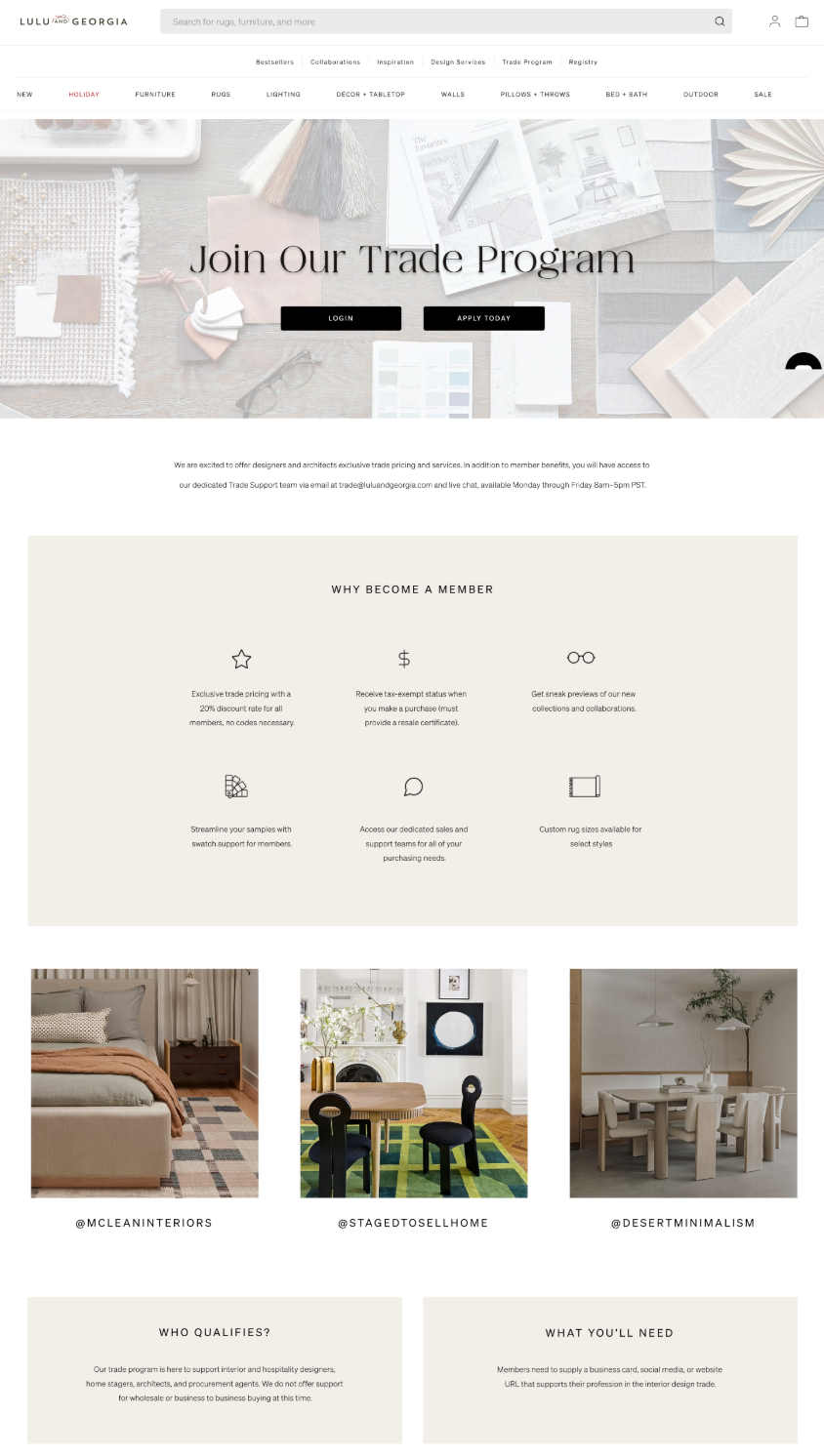
These professionals can source furniture and décor at reduced rates for open houses, photoshoots, and client projects, meaning the brand’s products naturally show up in real homes, real listings, and real design portfolios.
It’s not just visibility; it’s credibility in context.
This shift is being driven by one growing truth across eCommerce industry trends and eCommerce trends news: shoppers are tired of surface-level endorsements.
They’re craving proof, expertise, and credibility.
Recent consumer trust surveys show that people are over three times more likely to purchase when a product is backed by a verified expert rather than a generic influencer.
And when expert-led products are introduced, conversion rates consistently outperform standard product launches, sometimes by 30%–50% or more. That’s not hype. That’s CRO trends in action.
What’s especially interesting is how naturally this fits into today’s AI-driven shopping behavior.
As shoppers ask more specific, technical questions about materials, performance, longevity, safety, brands backed by real experts show up as the most “AI-recommended” answers.
An expert partner gives your brand depth that algorithms can actually understand and surface with confidence.
It’s no longer just about storytelling. It’s about validated knowledge.
From a retail eCommerce trends lens, this also changes how product launches work.
Instead of flooding the market with dozens of generic SKUs, brands are building fewer, better, more intentional products with built-in authority.
Customers don’t feel like they’re being “sold to.” They feel guided.
And that emotional shift, from skepticism to trust, is exactly what fuels eCommerce growth trends in a tighter global economy.
In many ways, this is the natural evolution of modern trends in eCommerce. The internet has made information infinite, but trust rare.
Brands that borrow credibility through short-term influencer deals are seeing diminishing returns.
Brands that build credibility through true expert partnerships are building something much harder to copy: belief.
And belief, right now, is one of the strongest growth assets an ecommerce business can have.
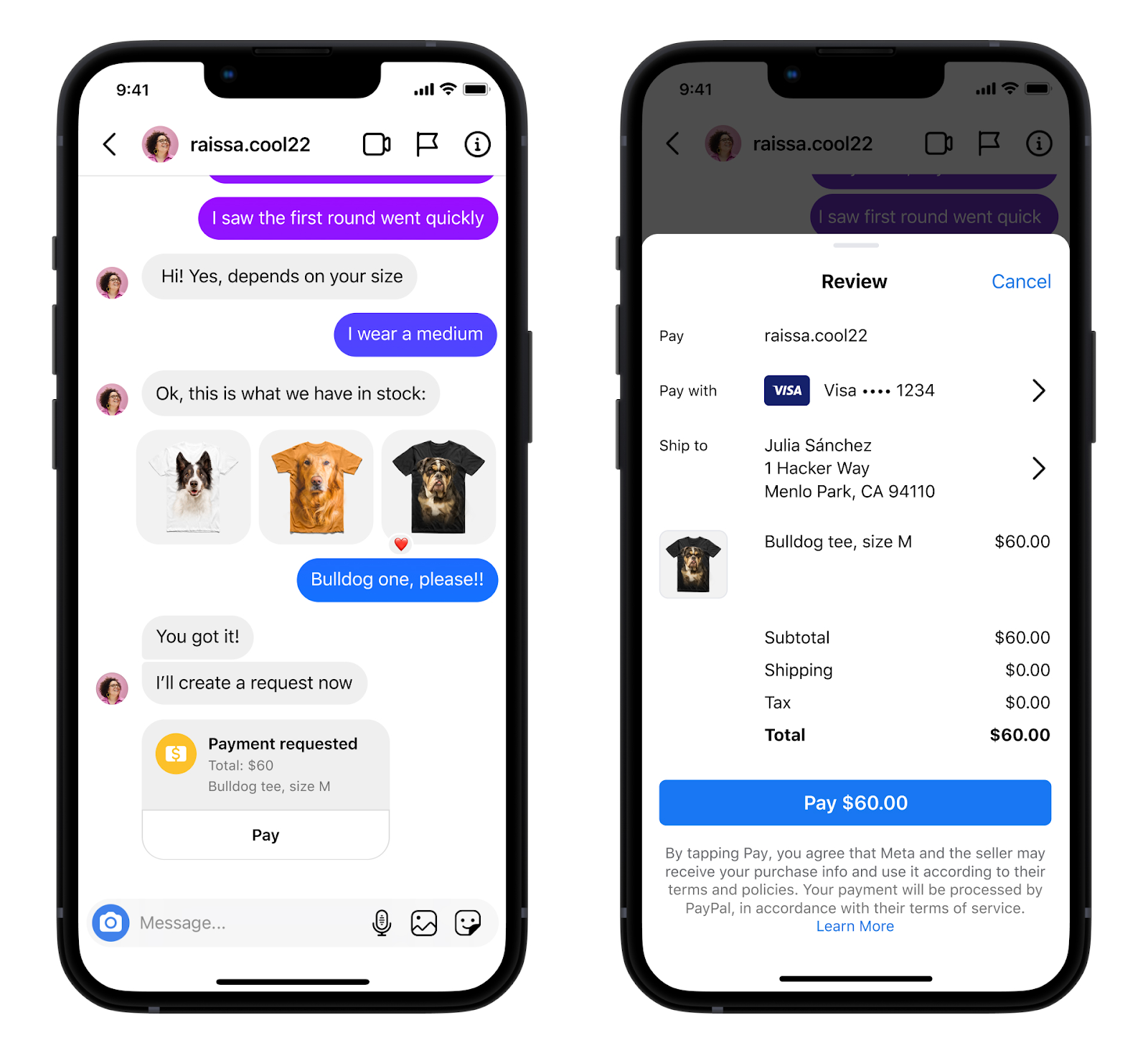
Imagine you're chatting with an AI, asking for a product recommendation, narrowing down options, and clarifying specs.
Now imagine that you don’t need to leave the chat to pay. That’s not sci-fi. That’s becoming real.
In September 2025, Google introduced the Agent Payments Protocol (AP2), a new open standard designed so AI agents, like a shopping bot, can not only help you choose but also complete your purchase, right inside the conversation.
On top of that, ChatGPT started rolling out an “Instant Checkout” capability, so shoppers browsing via chat can buy products without ever hitting a traditional store or checkout page.
That means fewer pages, fewer clicks, less friction, from discovery to delivery.
It’s easy to underestimate how big a deal this is. In traditional ecommerce, checkout friction is one of the main reasons people drop off before buying.
By collapsing product discovery, selection, and payment into a single chat, you’re removing almost all the friction. Early data shows that websites using conversational-AI tools already see 20%–40% boosts in conversions.
What this means for the latest eCommerce growth trends: businesses no longer just optimize product pages or checkout flows; they need to think in terms of conversation flows.
The “cart” might not even exist. Instead of designing around product pages and add-to-cart buttons, brands will design around chat, the moment where intent meets decision.
From a CRO trends perspective, chat-to-checkout automation isn’t just a convenience upgrade; it’s a conversion multiplier.
When a shopper doesn’t need to navigate away, re-enter card details, or confirm shipping info, the likelihood of closing goes up dramatically. And as more stores integrate protocols like AP2, what feels futuristic now becomes baseline.
In the broader landscape of eCommerce industry trends, this shift could upend how we think about storefronts altogether.
If AI-driven chats can find, recommend, and process purchases seamlessly, the “storefront” becomes optional. What matters more is product metadata, fulfillment readiness, and integration with payment pipelines, not necessarily a flashy website.
In short, 2025–2026 could be the moment chat-based commerce transitions from novelty to norm. And for brands willing to embed themselves into that chat-first world, it’s a huge opportunity.
Because when you make buying as easy as chatting, you’re not just selling products. You’re selling instant satisfaction.
Further Reading: How Do I Increase My Website’s Checkout Rate? (21 Proven Ideas)
If you think back to just a few years ago, “search” used to be the heart of online shopping.
People typed keywords into search bars, browsing, filtering, and comparing.
But a new generation of shoppers has quietly changed the rules: for them, shopping feels less like searching and more like swiping.
Because mobile-first, thumb-driven, scroll-and-tap behavior isn’t just convenience anymore, it’s the rhythm of their online life.
That shift is already showing up in the numbers: in 2026, mobile commerce is expected to account for about 59% of global retail ecommerce sales.
And for many consumers, their phone is no longer just a shopping device; it's the primary store.
That means the mindset of “type keywords → hit search → browse results” is giving way to something far more instinctive: “scroll until something feels right → tap → buy.”
This matters because the “swipe generation” shops differently.
They don’t necessarily want to dig through long product lists, juggle filters, or compare features across multiple windows.
They want immediate appeal — visually, emotionally, experientially.
They respond to vivid product images, quick previews, tappable cards, horizontal scrolls, short-form visual storytelling, and fast decision loops.
And when that happens, conversions go up. When the product feels “discoverable” with a swipe, the barrier between curiosity and checkout disappears.
For brands and retailers tuned in to the latest eCommerce trends, this means the entire user experience needs rethinking.
Your site or app shouldn’t just survive on search bars and category menus. It needs to feel like flipping through a curated magazine or scrolling through a social feed, intuitive, effortless, immersive.
Product pages become more about visual storytelling, effortless navigation, and instant gratification than deep-dive specs. The faster you can match that browsing rhythm, the more likely you are to catch casual attention and turn it into conversions.
And it’s not just aesthetic. With mobile commerce dominating the numbers, this “swipe-first” approach becomes part of serious eCommerce growth trends.
By designing for swipes instead of searches, brands align with how a growing majority already wants to shop, with their thumbs, in moments of pause, on the go. That means less cart abandonment, more impulse buys, and smoother user journeys.
In short: if you design ecommerce experiences for the “swipe generation,” you’re not just staying current.
You’re meeting people where they already are, in scrolls, taps, and instincts. And that makes the gap between browsing and buying shorter than ever.
One of the smartest ecommerce moves in 2025–2026 isn’t just chasing conversions, it’s turning abandonment into opportunity.
When someone leaves a cart, abandons a browsing session, or skips checkout, many brands treat it as a loss.
But increasingly, forward-thinking stores are seeing those drop-offs as chances to learn.
They’re using simple tools, mini-quizzes, preference polls, and email surveys to ask customers what they were looking for, what stopped them, or what they prefer.
In other words, asking customers directly for their intentions and preferences, turning lost sessions into gold, which the industry calls zero‑party data.
It’s not about tracking behaviour behind the scenes.
Zero-party data is where customers willingly tell you what they want, their tastes, their needs, and their upcoming plans.
And when brands tap into that willingly given data, they unlock personalization that actually works.
Instead of guessing why someone left without buying, they know. Instead of hoping to recommend the right product next time, they can pre-filter suggestions based on what the customer said they wanted.
Brands adopting these tactics are seeing results.
Quizzes embedded in email follow-ups or on landing pages, things like “What kind of candle vibe do you prefer?” or “Which style suits your home?”, not only reduce bounce and abandonment rates but also raise conversion and lifetime value.
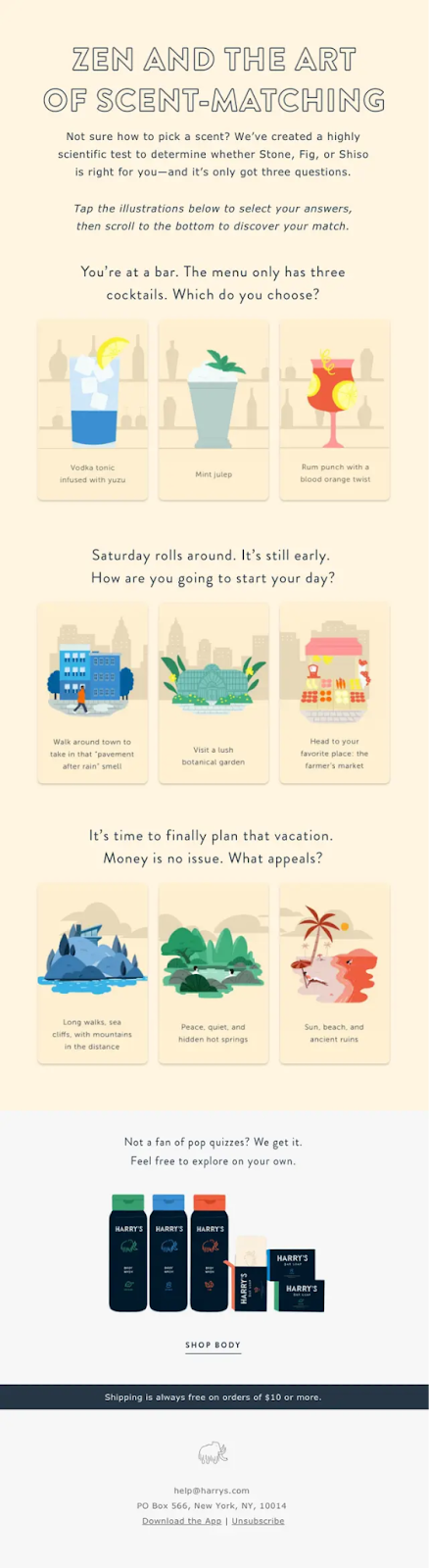
Personalized product recommendations based on self-declared preferences boost engagement, because the offer aligns with what the shopper actually wants right now.
In a world where third-party tracking is fading fast and customers are more privacy-aware, zero-party data becomes a powerful trust currency.
Asking directly, being transparent, and using that data respectfully is a growing part of the latest eCommerce trends, one that builds long-term relationships, not just one-off sales.
So the shift is subtle, but meaningful: smart brands are no longer just chasing "abandoned carts," they’re turning those abandonment moments into conversations, insights, and ultimately smarter, more personalized shopping experiences.
And that’s one of the cleanest, smartest CRO trends shaping eCommerce growth right now.
If there’s one shift cutting across the latest eCommerce trends, CRO trends, and eCommerce growth trends right now, it’s this: your story is no longer just your brand personality, it’s your conversion engine.
What’s ironic is that at the very moment AI has made it easier than ever to produce perfectly polished visuals and flawless copy, audiences are quietly falling out of love with perfection. The content that’s working now looks messier, more spontaneous, more awkward, and far more real.
We’re seeing it everywhere across social commerce and retail eCommerce trends.
The posts that drive the most replies, saves, profile clicks, and eventually purchases are often the ones that feel slightly off-script.
Not the glossy campaigns. Not the over-produced launch videos.
It’s the unfiltered moments, when someone talks about something going wrong, something unexpectedly difficult, something they didn’t plan to share.
Those moments cut through because they feel human in a feed that’s starting to feel increasingly synthetic.
And shoppers can tell the difference.
As AI-generated content floods timelines, people are developing a sharper radar for what feels authentic and what feels manufactured.
That’s why the slightly uncomfortable, overly honest, imperfect kind is quietly becoming one of the strongest moats in the eCommerce industry trends right now.
It’s not about oversharing for shock value. It’s about being visibly human in a sea of algorithmic perfection.
What’s fascinating from an eCommerce growth and conversion lens is how directly this translates to behavior.
When audiences feel emotionally connected, they don’t just like and comment, they click, they explore, they buy.
Not because they were pushed by hard selling, but because trust forms almost by accident.
The story becomes the bridge. The vulnerability becomes the credibility. And the conversion becomes a side effect of resonance.
This is why, across eCommerce trends news right now, you’ll see more brands loosening their grip on strict brand voice rules and embracing something a little rawer.
A little less scripted. A little more uncomfortable.
Because in a world where everything can be generated, optimized, and polished, the one thing that still converts on a deeply human level is imperfection that feels earned.
In 2026 and beyond, the brands that grow fastest won’t always be the ones with the cleanest feeds.
They’ll be the ones brave enough to let their story be messy and real enough for customers to see themselves inside it.
You’ve gotten too used to giving it the name of “social proof”.
But in reality, the “people” factor that drives views, engagement, clicks, shares and referrals is HUGE – and shouldn’t just be hidden behind that phrase.
It’s not just reviews, not just social walls, not just UGC content being repurposed as ads to target cart abandoners.
It’s about people identifying that other people like them are talking about the same use cases.
Or, that giving back can become a purpose through the means of a purchase — and final “impact numbers” can even make the most transactional shopper go weak in the knees.
Then, there are brands that not only evangelize great content but also community alongside it.
This makes existing shoppers and potential shoppers look at a brand that does this, with renewed confidence and deeper trust.
Throw in “online” pop-ups that thousands of shoppers view all at once to see a latest drop — or even get an “exclusive discount” on.
Loyalty programs take the excitement a few notches higher, especially when brands also link contests or giveaways with them.
In 2026 though, you’ll see more brands go the Gymshark Central way — in creating “hubs” that cross-link rich content, community engagement, contests, loyalty and even email marketing.
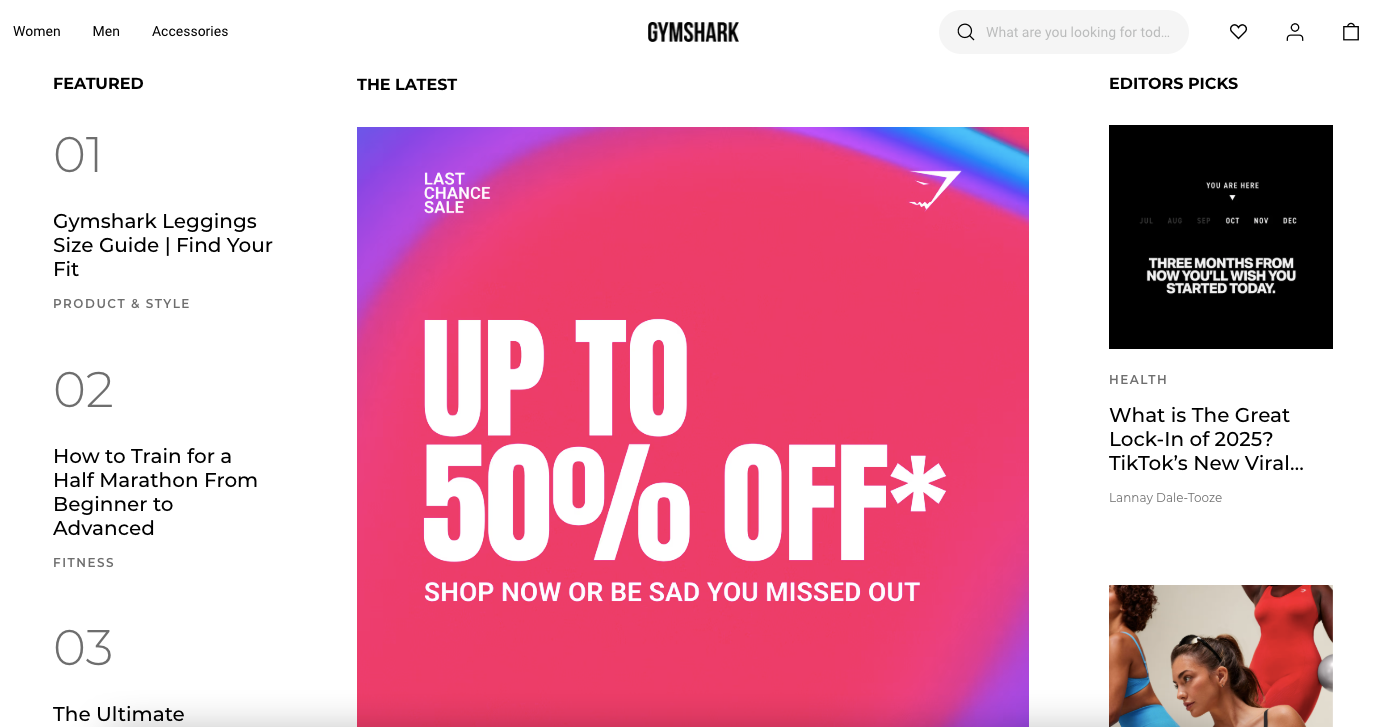
2026 will see this strategy leap forward with more brands leaning on “micro-communities”.
It’s not a whole lot different than customer segmentation — in this case, smaller sub-sets like drone hobbyists or late evening runners.
This community-level segmentation will also help businesses become more “meaningful” in terms of social proof on product pages.
With a little help from AI, they can carry identity-matched testimonials — and shoppers can truly have a reason to say, “if people exactly like me can trust this, so can I!”
2026 will also see conversion optimizations across cat widgets based on this trend, with in-chat quiz multi-choices covering the most popular micro-communities.
One-size-fits-all doesn't work for clothes, and in 2026, won’t definitely work for content.
Apart from shoppers loving a good story since forever, there’s the additional dynamic of personalization.
And personalization in content won’t just mean showing recommendations or educational content based on browsing habits.
It will be about micro-intent signals. Put simply, the focus will be on what the shopper is trying to do RIGHT NOW.
So, less of what they browse and much more of how they browse.
Naturally, call-outs will change qualitatively from “Here’s the routine people like you viewed” to “Here’s the serum size people like you prefer”.
And comparison cues will pop up at common hesitation points — based on customer objections that cause a crazy number of drop-offs.
On the other hand, content will make sense to shoppers only if their particular weather context, device context and order or reorder context are brought in.
In 2026, top-of-the-funnel shoppers will be watching out for experiences that tell them, “Hell yeah! These guys are surely getting to know what you need and want!”
And mature shoppers will not settle for less. They’ll want a brand to match their journey, not just month on month, but also session on session.
This is also a huge leverage if you use email marketing as a key way to promote your brand and products.
Never has been a better time for alerts like “Popular with minimalist homes like yours” or “Trending skincare routine in your age group this month”.
If there’s one thing these eCommerce trends for 2026 make clear, it’s that growth is no longer coming from louder ads, shinier tech, or endless optimization tweaks alone.
It’s coming from alignment, between how people actually behave and how brands choose to show up.
Shoppers are asking instead of searching. They’re swiping instead of browsing. They’re trusting experts more than influencers, stories more than polish, and stability more than hype.
And behind all of it, AI is quietly rewiring the path from curiosity to checkout.
What’s exciting is that these shifts don’t just favor the biggest players.
In many ways, they reward the most thoughtful ones. The brands are willing to listen instead of just broadcasting. To guide instead of push. To be human instead of hyper-produced. To treat abandonment as learning, story as strategy, and trust as the truest form of conversion.
2026 isn’t about chasing every new tool. It’s about understanding what modern customers now expect as a baseline: clarity, confidence, speed, honesty, and relevance, and building your entire growth engine around that reality.
The brands that do this won’t just ride the next wave of eCommerce growth trends. They’ll define it.
And this time, growth won’t come from gaming the system.
It’ll come from finally understanding the people inside it.
Subscribe for more articles like this!


Read by 5000+ ecommerce store owners
.svg)


.svg)

.svg)
.svg)
2026 Convertcart, All Rights Reserved
33/1, Castle Street, Ashok Nagar, Bengaluru, India