Conversion Optimization
What Subscription Brands Do Differently to Retain Subscribers
December 23, 2025

Insights in this post come from our CRO team's decade of experience working with eCommerce brands. Edited by our in-house content team.


Insights in this post come from our CRO team's decade of experience working with eCommerce brands. Edited by our in-house content team.

Subscription businesses like to talk about growth the way teenagers constantly, optimistically, and with a touching faith that it will somehow happen on its own.
But the grown-ups in the room know a more stubborn truth: real growth comes not from who signs up, but from who sticks around.
This is where subscriber retention strategies stop being a footnote and start becoming the entire plot.
Top subscription brands, whether they sell software, streaming, insurance, telecom plans, or professional services, understand that acquisition is merely an introduction. It’s retention that matters most.
This post covers:
2. Build a Legacy of Know-How With a Knowledge Base
3. Become the Unrivaled Authority Through Customer Education
4. Be Everywhere Your Customers Are
5. Build a Tribe Around Your Brand
6. Offer Them a Personal Command Center With a Customer Portal
7. Make Freedom Built-In to Your Offering
8. Provide a Red Carpet Welcome
9. Create Boutique Experiences and Offers
10. Offer Support at the Speed of Thought
11. Practice The Art Of Active Listening
12. Surprise Them With a Mystery Box
14. Keep Sharing What’s the Next Cutting Edge
16. Rekindle the Spark With Inactive Subscribers
17. Show the People Powering Your Engine
18. Communicate Service Disruptions in Advance
Subscriber retention is about building relationships. And like most relationships, it’s governed less by grand gestures and more by everyday competence.
What these companies do differently isn’t mystical or expensive.
They obsess over reducing churn, increasing customer lifetime value, and removing minor but persistent irritations that push subscribers toward the exit.
They design experiences that anticipate doubt, answer questions before they’re asked, and deliver value early.
In this guide, we’ll look at the subscriber retention strategies used by top-performing subscription and service businesses, and why they work.
Not theories. Not platitudes. Just practical, repeatable ways to keep customers happily, voluntarily, and for longer than they originally intended.
Keeping subscribers is rarely about flashy tricks, it’s about doing the basics consistently well.
The best subscriber retention strategies focus on clear value, friction-free experiences, and timely communication that makes customers feel remembered, not chased.
So, let's break down practical, proven ways top subscription brands reduce churn and turn short-term signups into long-term relationships.

We all have a small, irrational part of our brain that loves earning points, much like a magpie loves a bit of tinfoil. Whether it’s a digital punch card or a tiered "Gold Status," loyalty programs give subscribers a reason to stay that goes beyond the product itself.
The key is to focus on gamification, making the act of staying feel like a series of wins.
The rewards should be meaningful; perhaps it’s exclusive access to a new feature or a "Member Since 2022" badge that carries real weight.
This increases the switching costs for the customer; leaving you doesn't just mean losing a service, it means losing their hard-earned status.
In a world of infinite choices, being a "Platinum Member" at one shop is often enough to stop us from looking at another. It turns a standard transaction into a rewarding game of progress.

Sometimes, one simply wants to fix a thing oneself without having to talk to a stranger.
A well-organized, searchable library of "How-To" guides is a godsend for self-service support.
It should be written in plain English, not "Computer-Speak," and filled with helpful pictures.
This empowers the user to master your service at 2:00 AM if they choose to do so. In the industry, we call this knowledge management, and it is the backbone of a scalable business.
An excellent knowledge base reduces the strain on your support team while increasing user competency.
When a customer can find an answer in thirty seconds, their frustration evaporates.
It’s like a silent, tireless employee who is always ready to help every customer at once, ensuring the "help" is just a click away.
The knowledge base checklist:

A subscriber who knows how to use every bell and whistle of your service is a subscriber who will never leave.
Running educational campaigns, webinars, "How-To" emails, or short tips, turns your customers into power users.
You are essentially teaching them how to get the most "bang for their buck," which increases their perceived value.
The more useful your service becomes to their daily life or business, the more indispensable you are.
This is content marketing with a purpose: to reduce friction and increase mastery.
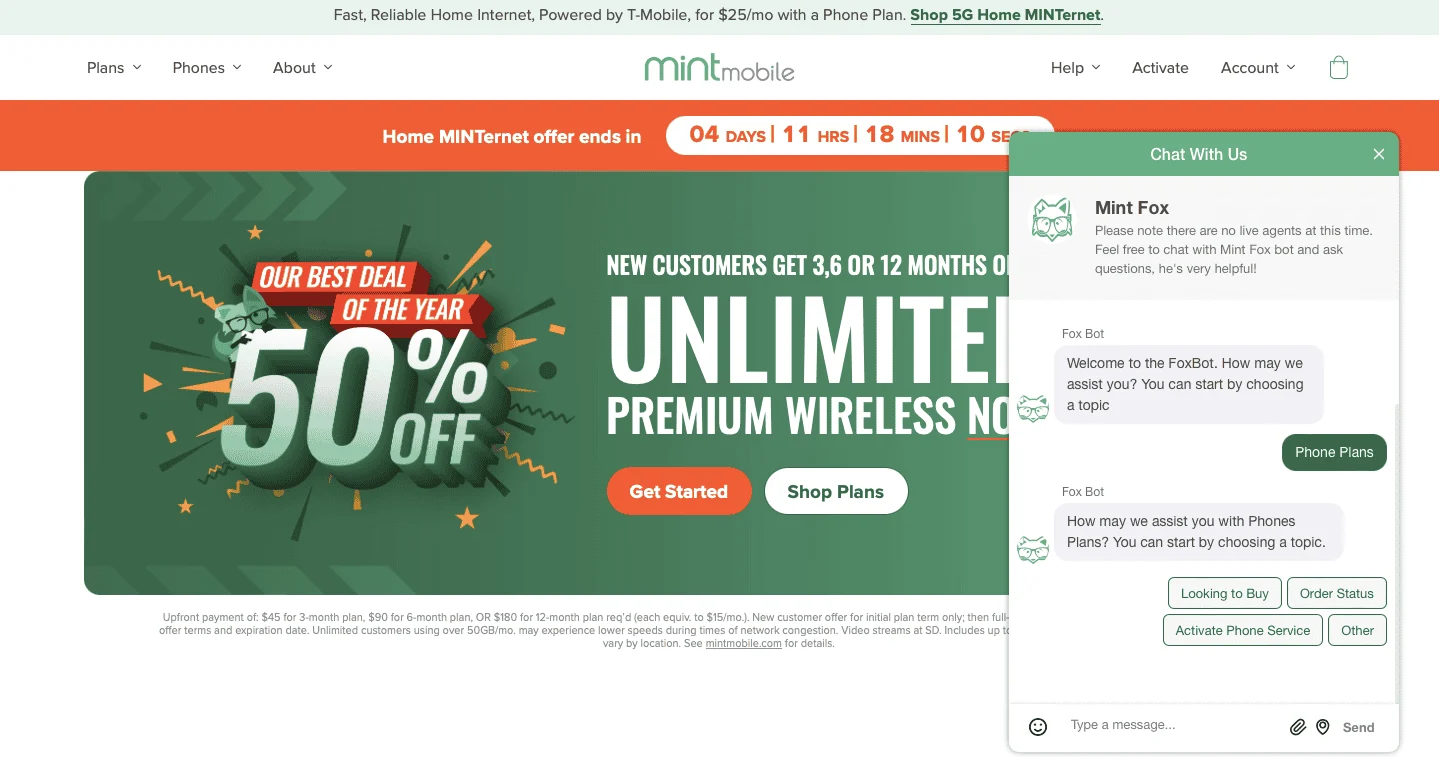
In this day and age, people want to talk to you on their own terms.
Some prefer a formal email, others want a quick chat on a website, and a brave few might even want to use the telephone.
Being available across different platforms, omnichannel support means meeting the customer wherever they are.
It’s about being accessible. If a customer can’t find a way to reach you, they won't try for long; they’ll simply go elsewhere.
The trick is to ensure that if a customer starts a conversation on Twitter and moves it to email, your team knows exactly what was said.
This "seamless transition" prevents the customer from having to repeat their life story four times, which is a sure-fire way to keep their blood pressure and your churn rate low.
Here are some popular ways that subscription brands offer omnichannel support:

Humans are, by and large, a gregarious lot. We like to feel we belong to something more significant than a billing cycle.
The most resilient brands foster a sense of "us" by building a niche community.
Whether it’s a private forum, a lively social media group, or an exclusive digital clubhouse, creating a space for subscribers to talk to each other is pure magic.
This transforms your product from a tool into a lifestyle.
In such environments, User-Generated Content (UGC) flourishes, and your customers begin to support one another, effectively lowering your own support costs.
Suddenly, they aren't just paying for a service; they are part of a tribe.
When people feel they belong, they don’t leave, not because of the software, but because of the people.
This "network effect" creates a moat around your business that competitors find almost impossible to cross.
It’s the difference between a one-time purchase and a lifelong brand advocate.
For instance, Sephora has built a digital town square where over five million "Beautytalk" enthusiasts gather to discuss the merits of various serums with the intensity of scholars debating the classics.
It’s a space for user-generated content where real people post unedited photos of products in action.
It removes the "polished corporate veneer" and replaces it with peer-to-peer trust.
A subscriber should be able to change their password or update their credit card without needing a degree in engineering.
A clean, intuitive user interface (UI) in your customer portal is the unsung hero of retention.
If it’s easy to manage the boring bits of a subscription, like changing a billing address, the customer stays in control.
Friction in the portal leads to frustration, which, in turn, directly leads to the "Cancel" page.
This is where you combat involuntary churn by making it incredibly simple for users to fix expired payment methods.
Keep it simple, keep it fast, and keep it pretty. A well-designed portal says, "We respect your time and your intelligence," which is a very fine message to send indeed.
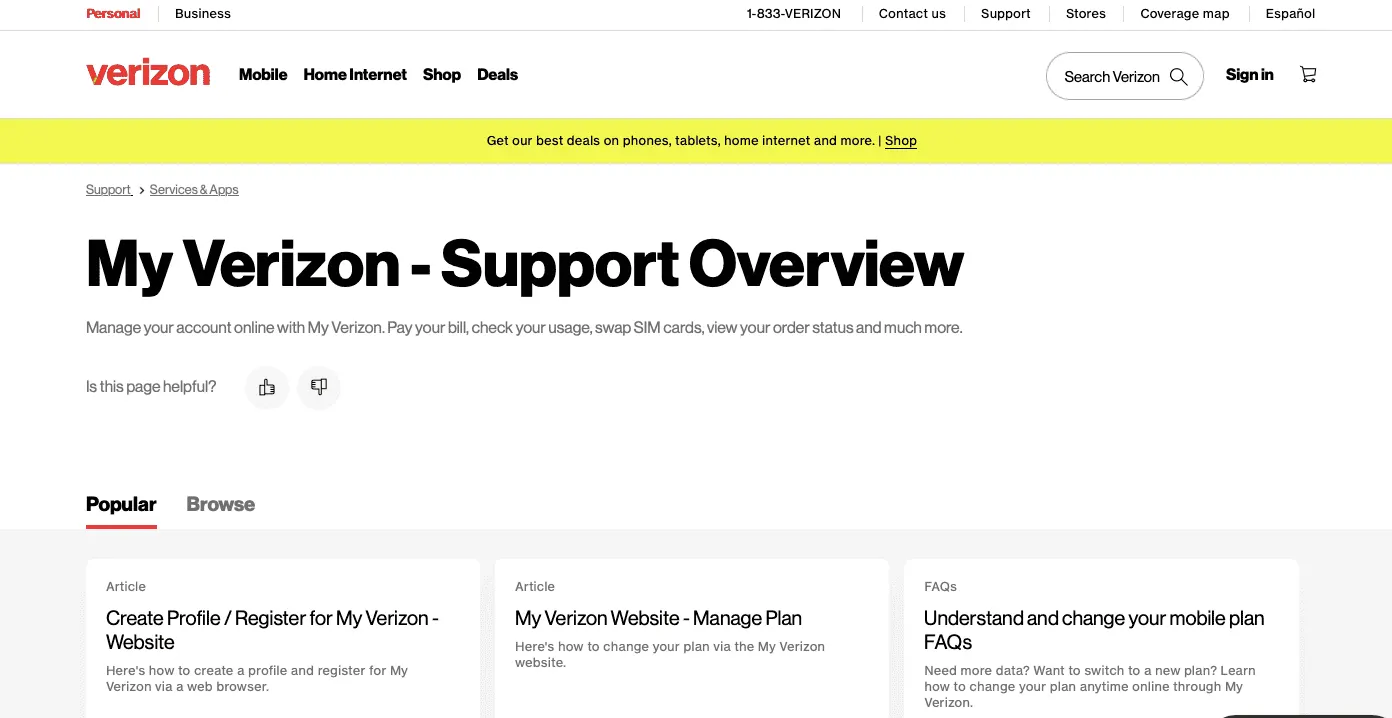
For instance, Verizon provides a user-friendly customer portal that helps users pay their bills, check their usage, swap SIM cards, view their order status, and do much more.

The world is a messy, unpredictable place, and sometimes people just need a break from their commitments.
Most businesses make canceling feel like trying to escape a high-security prison, complete with hidden trapdoors and confusing corridors.
The clever ones, however, offer subscription flexibility.
If a customer is going on holiday or simply has a "product backlog," letting them hit a "Pause" button is a masterstroke in retention marketing.
This approach acknowledges the reality of subscription fatigue. By offering a "Skip a Month" or "Snooze" option, you effectively stop the churn before it happens.
It’s far better to have a customer go quiet for thirty days than to have them disappear forever into the arms of a competitor.
Flexibility signals that you respect their lifestyle, transforming your service from a rigid obligation into a helpful, adaptable companion.
For instance, HelloFresh, the popular meal subscription service, has mastered the "Skip a Week" feature.
By making it a one-click affair to avoid a delivery, they prevent the "frustration cancel" that happens when your fridge is already full.
There is nothing quite so disheartening as signing up for a shiny new service only to find yourself standing in a metaphorical dark room, fumbling for a light switch.
Top brands treat onboarding like a guided tour of a grand estate.
They don’t dump the manual on your lap; they show you exactly where the biscuits are kept.
If a user doesn't achieve a "win" within their first session, the likelihood of them sticking around for the second month drops precipitously.
You must curate the user experience (UX) so that the path of least resistance leads directly to their first success. Whether it’s an interactive walkthrough or a "quick-start" checklist, the goal is to eliminate the "now what?" moment.
A smooth start ensures the customer feels clever for hiring you, rather than frustrated by their own technological inadequacy.
By focusing on immediate activation milestones, you turn a trial user into a devotee before the first invoice even hits the inbox.
In the old days, a shopkeeper knew you liked a certain peppermint and would set a bag aside.
Today, we use data analytics to achieve that same neighborly warmth. Personalization isn’t just about slapping a name at the top of an email; it’s about noticing that a subscriber only ever engages with your "advanced" content and stop sending them "beginner" tips.
When you tailor your suggestions to a subscriber's actual habits, their behavioral data, you aren't "selling"; you’re being helpful.
This level of customer segmentation ensures that every notification feels like a value-add rather than digital clutter.
It turns a cold transaction into a thoughtful relationship, making it much harder for the customer to hit the "Cancel" button.
If your recommendation engine can anticipate what they need before they’ve even realized it themselves, you’ve moved beyond being a vendor and become a partner.
It’s about creating a unique "segment of one" where the product feels explicitly built for them. Here are some tips to offer personalized offerings to your customers:
Most companies wait for things to go horribly wrong before they speak up.
It’s a bit like a doctor waiting for you to keel over before mentioning your diet. Proactive customer success is the art of spotting a loose floorboard before the customer trips.
If your customer health score shows a user hasn't logged in for a week, or if a specific feature is causing a bottleneck in their workflow, reach out then.
This preemptive strike against churn shows you are paying attention.
You might send a "how-to" guide for the very feature they are struggling with, or a simple check-in to see if their goals have changed.
It moves the conversation from "why didn't this work?" to "here is how to make this work better."
This builds immense trust and demonstrates that you actually care about their success, which is a surprisingly rare quality in the modern marketplace.
You aren't just fixing problems; you're preventing them. Here’s a quick checklist to provide proactive support to your customers:
It is a brave thing to ask someone what they really think of you.
However, top subscription brands do this constantly to calculate their Net Promoter Score (NPS).
They don't send those exhausting twenty-page surveys that feel like a tax audit; they ask one or two pointed questions at the "moment of truth."
When you listen, and more importantly, when you show that you’ve heard by implementing a requested feature, customers feel a sense of ownership.
This is Voice of the Customer (VoC) integration at its finest. If they helped build the product through their suggestions, they are far more likely to stick around to see how it grows.
It turns "your" product into "our" product.
Furthermore, the feedback often reveals pain points you didn't even know existed, allowing you to iterate faster than the competition.
Listening isn't just polite; it's a vital survival strategy in a crowded market. Here’s what you can all do.
Always thank them with a small token or exclusive content.
Now and then, it’s lovely to receive something you didn't ask for, a bit like finding a five-pound note in an old coat pocket.
A surprise "bonus" lesson, an unexpected gift in the box, or even just a handwritten note can do wonders for customer delight. These small acts of "unexpected value" break the monotony of the monthly transaction.
They remind the subscriber that there are real people behind the brand who appreciate their business.
In technical terms, this helps build emotional loyalty, which is far more durable than the "rational loyalty" based on price alone.
These moments of delight are what people talk about at dinner parties or share on social media, providing you with free, high-quality word-of-mouth marketing.
It’s the difference between being a cold utility and a brand that people truly cherish.
When something breaks, the clock starts ticking on your customer's patience, and it ticks very loudly indeed.
The giants of the subscription world don't just solve problems; they solve them with alarming speed, often measured by First Response Time (FRT).
A fast resolution tells the customer, "Your time is valuable, and your frustration matters to us."
It turns a negative experience, a broken link, or a billing error, into a positive demonstration of customer service excellence.
Often, a customer who had a problem solved brilliantly and quickly becomes more loyal than one who never had a problem at all. This is known as the "Service Recovery Paradox."
By treating every support ticket as an opportunity to prove your worth, you turn potential churn into a deeper relationship.

If you’ve spent months perfecting a new feature, for goodness' sake, tell people about it! But don't just list technical specifications; explain how it makes their lives easier.
This is the heart of product marketing. "We’ve upgraded our servers" is boring. "Your pages will now load before you can finish a blink" is exciting.
Regular product updates remind subscribers that the service is evolving. It justifies the recurring cost by showing that the value of their subscription increases over time.
When you frame improvements as a response to user feedback, you also prove that you are listening. It turns a static utility into a dynamic, growing tool that the customer would be loath to give up.
At the end of the day, you must do the thing you said you were going to do. If you promise a monthly box of snacks, those snacks had better be delicious and on time, every single time.
Consistency is the heartbeat of a subscription. All the clever marketing and "Aha!" moments in the world won't save you if the core service becomes unreliable.
This is the foundation of brand equity.
Reliability is boring, perhaps, but it is the very thing that builds long-term empires.
When a customer knows exactly what to expect, they stop evaluating the price every month and simply accept the service as a permanent fixture in their lives.
You don't need to reinvent the wheel every Tuesday; you just need to make sure the wheel keeps turning exactly as promised.
It’s a bit sad when a subscriber stops visiting, like a friend who stops coming to the pub without a word of explanation.
A gentle "nudge," what marketers call re-engagement campaigns, can often bring them back into the fold. The trick is to be helpful, not pestering.
If your usage metrics show a user has gone quiet, send them a friendly tip or a "We’ve missed you" note that highlights a new feature they haven't tried.
This is a crucial part of churn management.
Often, people just get busy or distracted by the general clutter of life; a small, well-timed tap on the shoulder is all they need to remember why they joined in the first place.
You aren't begging for their attention; you’re reminding them of the value they’ve already paid for.
People like buying from people, not from faceless, soulless monoliths that exist only as a logo on a screen.
Showing the "Human Side", the office dog, the team behind the product, or the story of how you started, creates an emotional connection that AI-driven marketing simply cannot replicate.
When a customer feels they know the creators, they are more forgiving of mistakes and more invested in your success.
This is often called brand storytelling, and it’s a powerful tool for building long-term loyalty. It turns a "service" into a partnership.
It reminds us that behind every line of code or every shipping box, there’s someone trying their best to do a good job. In an increasingly digital world, a little bit of humanity goes an awfully long way. Here’s what you can do:
If the power is going to go out, it’s much nicer to be told before you’re sitting in the dark, wondering where you put the candles.
If you have scheduled maintenance or a known shipping delay, tell your subscribers immediately.
Honesty is always the best policy for customer trust. Most people are remarkably understanding when given fair warning and a clear timeline for the fix. It’s the silence during a crisis, the "blackout," that kills brand reputation.
By being upfront, you demonstrate that you are responsible and respect your customers' time.
This type of incident communication can actually strengthen a relationship, as it proves you are transparent even when things aren't going perfectly.
In the final accounting, the top subscription brands realize that the sale is merely the beginning of the conversation.
By focusing on Customer Lifetime Value (CLV) and reducing churn, you aren't just saving an account; you’re building a community.
It is far cheaper, and infinitely more pleasant, to keep a friend than to go out and find a new one.
Subscriber retention matters for the same reason compound interest matters: it works relentlessly, and rewards those patient enough to understand it.
While acquisition delivers a gratifying spike on a dashboard, retention is what keeps the lights on when the novelty wears off, and the marketing budget sobers up.
For subscription and service-based businesses, retention directly determines customer lifetime value.
Every additional month a subscriber stays reduces acquisition pressure, stabilizes recurring revenue, and lowers the cost of growth.
High churn, by contrast, is simply expensive forgetfulness, as you spend money reacquiring customers who were already convinced once.
Here’s why top subscription brands treat retention as a core growth lever, not a support metric:
👉 It increases customer lifetime value (CLV): Retained subscribers generate more revenue over time without proportional increases in marketing or sales spend.
👉 It reduces churn-related losses: Strong retention strategies help identify cancellation triggers early and prevent avoidable subscriber drop-offs.
👉 It improves revenue predictability: Higher renewal rates make forecasting easier and cash flow more stable, something finance teams and investors sincerely appreciate.
👉 It lowers acquisition dependency: When fewer customers leave, growth relies less on constant lead generation and paid acquisition.
👉 It fuels organic growth: Loyal subscribers are more likely to upgrade, cross-sell, and refer others, amplifying retention marketing efforts.
Beyond the numbers, retained subscribers are simply better customers. They understand your service, require less hand-holding, and are more forgiving when things occasionally go awry.
Over time, retention transforms a subscription business from a treadmill into a flywheel, one where growth comes not from running faster, but from losing fewer people along the way.
Before you can reduce churn, it helps to agree on what it actually is. Subscriber churn refers to the percentage of customers who cancel, fail to renew, or stop paying for your service within a given period.
It reveals whether your subscription business is building long-term value or merely renting attention one billing cycle at a time.
Top subscription brands don’t treat churn as a single number on a monthly report. They treat it as a trail of clues.
A proper subscriber churn analysis examines when customers leave, who is most likely to go, and why they choose to cancel.
Early churn often points to poor onboarding or unclear value. Later churn tends to signal disengagement, pricing friction, or unmet expectations.
A strong churn analysis typically focuses on:
Subscriber churn analysis doesn’t just explain losses; it shows exactly where retention strategies will deliver the most significant returns.
The most effective strategy for subscriber retention is surprisingly unglamorous: consistently delivering clear, ongoing value while making it easy for subscribers to succeed.
Top subscription brands don’t rely on clever tricks or last-minute discounts. They focus on helping customers get what they signed up for quickly and repeatedly.
In practice, this means strong onboarding that leads subscribers to early wins, followed by steady reminders of value through usage nudges, helpful communication, and reliable service delivery.
When subscribers understand how your service fits into their routine, cancellation becomes an inconvenience rather than an option.
Equally important is removing anxiety. Transparent pricing, responsive support, and fair cancellation policies build trust, a critical yet often overlooked part of retention marketing.
Subscribers are far more likely to stay when they feel in control rather than cornered.
Ultimately, effective subscriber retention isn’t about preventing churn at the last moment. It’s about designing an experience where staying feels logical, useful, and reassuring, month after month.
Involuntary churn happens when subscribers leave unintentionally, usually due to failed payments, expired cards, or billing errors.
Reducing involuntary churn starts with making payments as invisible and forgiving as possible.
Top subscription businesses use smart retry logic, automatic card updates, and clear payment reminders before and after a failed charge.
The ideal way is to ensure that your notifications sound helpful, not threatening.
A simple message explaining what went wrong and how to fix it quickly often saves the subscription. Easy self-service billing updates also matter.
If subscribers can’t fix a payment issue in seconds, they won’t bother at all. Involuntary churn isn’t about dissatisfaction, it’s about neglect. And, fortunately, neglect is something you can fix.
Making it hard for customers to cancel may delay churn, but it rarely prevents it. In fact, it often does the opposite.
When subscribers feel trapped, frustration replaces goodwill, and even satisfied customers leave with a negative impression they won’t forget.
Top subscription brands make cancellation transparent, fair, and respectful. This builds trust and lowers resistance to staying.
When people know they can leave easily, they’re more likely to give the service another chance, pause instead of cancel, or return later.
Retention works best when customers stay by choice, not exhaustion. A smooth exit today often leads to a renewal tomorrow.
You should seek customer feedback often enough to act on it, but not so often that it becomes noise.
For most subscription and service-based businesses, this means asking at key moments rather than on a fixed calendar.
The best times are after onboarding, following a support interaction, when usage drops, and shortly before renewal.
These moments reveal whether subscribers understand the value, feel supported, and intend to stay.
It's best to keep feedback requests short and specific, and always acknowledge what you receive.
When customers see that their input leads to real improvements, they’re far more willing to keep sharing and far more likely to stay subscribed.
The main benefit of a loyalty program for subscriptions is that it rewards staying, not just signing up.
While discounts attract attention, loyalty programs build long-term subscriber retention by recognizing time, trust, and continued engagement.
For example, a streaming or a telecom subscription might offer long-term subscribers early access to new features, priority support, or exclusive content after six or twelve months.
These perks cost little but signal appreciation. Subscribers feel valued rather than taken for granted.
Loyalty programs work because they create emotional attachment.
When customers feel recognized for sticking around, they’re far less likely to cancel and far more likely to renew, upgrade, or recommend the service.
Reactive support responds after a problem is reported. Proactive support steps in before the subscriber feels stuck.
Both matter, but they serve very different roles in subscriber retention.
Reactive support fixes what’s already broken; billing issues, technical errors, or service disruptions.
Proactive support watches for warning signs like reduced usage, repeated failed actions, or stalled progress and reaches out with help early.
For example, a subscription company might notice a new subscriber hasn’t completed setup after a week and send a quick check-in with guidance.
That small nudge often prevents frustration, confusion, and eventual churn, without waiting for a complaint.
Subscribe for more articles like this!



Read by 5000+ ecommerce store owners
.svg)


.svg)

.svg)
.svg)
2026 Convertcart, All Rights Reserved
33/1, Castle Street, Ashok Nagar, Bengaluru, India
