Most eCommerce founders know this feeling: traffic doubles, but revenue stays stubbornly flat.
The visitor count climbs with the steady persistence of a rising tide, while average order value sits anchored to the seafloor, completely unmoved by all the activity above it.
This guide gives you a sequenced framework for doing exactly that. Five phases, each unlocking the next, covering everything from diagnosing why your AOV is stuck to building the loyalty mechanics that compound the gains over years rather than weeks.
Convertcart's Priority Framework For Improving eCommerce AOV
This framework is sequenced because sequence matters. Phase 1 tells you what is actually broken. Phase 2 earns the right to sell more. Phases 3 and 4 capture the spend. Phase 5 makes the gains permanent. Skip Phase 1, and you will spend weeks optimising the wrong thing entirely.
AOV Priority Framework
Phase
Question to answer
Key strategies
Effort & lift
PHASE 01Diagnose
Where does my AOV stand?
Audit traffic by channel
Check for discount leakage
Fix catalog connectivity
Spot whale orders skewing your data
Effort: Low · Speed: 1–2 days
Unlocks all phases
PHASE 02Product Page
How do I earn the right to ask for more?
Upsell the upgrade
Cross-sell with context
Bundle builders (DIY)
Subscribe & Save tiers
Effort: Medium · Speed: 1 week
+10–30% AOV
PHASE 03Cart & Checkout
How do I capture intent before they leave?
Free shipping progress bar
Spend-threshold discounts
One checkout upsell (max)
Remove hidden cost surprises
Effort: Low · Speed: Days
+8–15% AOV
PHASE 04Post-Purchase
How do I sell more after the first yes?
Thank-you page upsell
Order tracking email discount
Timed upgrade emails
Abandon cart + more choices
Effort: Low · Speed: Days
+6–12% AOV
PHASE 05Retention & Loyalty
How do I make AOV growth compound?
AOV-linked loyalty tiers
Value-add promotions
Cohort & channel segmentation
VIP access mechanics
Effort: High · Speed: 1–3 months
+20–40% AOV (compounds)
Phase 1: Diagnose Before You Optimise Anything
Most AOV problems are not solved by adding more tactics — they are solved by finding out which problem you actually have. Traffic quality, discount leakage, data noise, a catalog so poorly connected that no upsell could save it: any of these will neutralise every tactic you run until you fix them. That is where Phase 1 starts.
Why your AOV is stuck: 6 diagnostic checks
Run through these before touching a single tactic. Each represents a different root cause with a different fix. Applying the wrong fix is worse than applying none at all.
a. Find cheap nudges creating frequency over basket size
There is a delicate arithmetic between how often someone buys and how much they spend. If your campaigns drive repurchase at the expense of basket size, your AOV shrinks. Check your Customer Lifetime Value data to understand the trade-off before deciding which way to pull.
b. Look for broad discounts training customers to wait
If your site runs '20% off everything' with the regularity of the morning news, customers learn the only correct time to buy is during a sale. Replace blanket discounts with threshold mechanics — 'Spend $100, get $20 off' — which pull carts upward rather than just reducing your margin.
c. Track low-value traffic channels diluting the average
TikTok drives impulse buyers who grab a single viral item and vanish. Email subscribers consistently spend two to three times more per order. Before optimising AOV site-wide, audit it by acquisition channel. The averages almost always lie.
d. Is there poor catalog connectivity in your store?
If your Recommended For You section suggests a $2 sticker to someone buying a $300 laptop, you have a catalog connectivity problem. Cross-sell items should sit at roughly 15–20% of the main product's value. A $45–$60 laptop case feels like sensible insurance; a $2 sticker feels like nobody thought about it.
e. Can you hear data noise from whale orders?
A single B2B client who bought 500 units last November can make your AOV look magnificent — until they do not return. Use median order value alongside the mean. The median tells you what your ordinary shopper is actually spending.
f. Is checkout friction killing add-ons?
Hidden shipping costs appearing for the first time at the final step are the single most reliable predictor of cart abandonment. A shopper who discovers an unexpected $8 fee does not add a second item — they leave for Amazon.
The 15–20% Rule for Cross-Sells
The 15–20% Rule for Cross-Sells
The most common cross-sell mistake is recommending items that are simply too cheap relative to the main product. A $0.50 sticker to someone buying a $300 laptop is not a recommendation — it is evidence that nobody has thought about it.
The rule: cross-sell items should land at 15–20% of your main product's value.
A $45–$60 laptop case feels like sensible insurance.
A $2 accessory feels like an afterthought — and gets scrolled past.
That gap is the difference between a recommendation that converts and one that doesn't.
Case Study
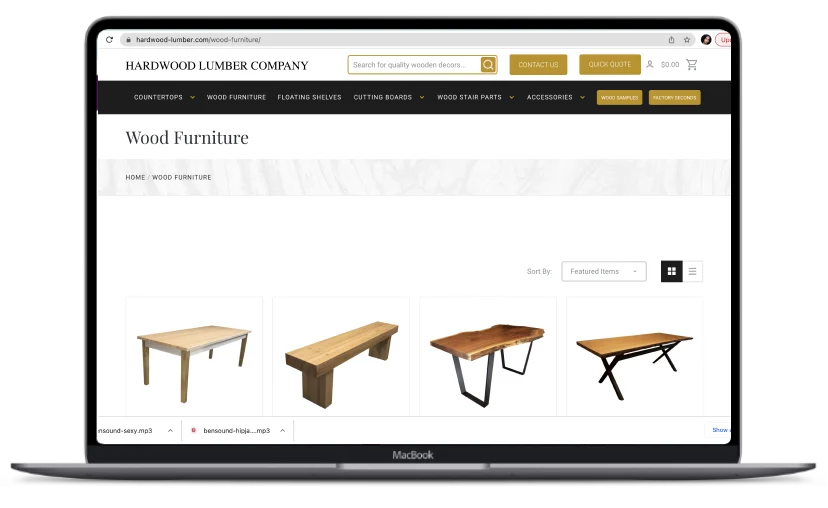
How Convertcart Helped Hardwood Lumber Achieve 3.7X Revenue Per Visitor Through Smarter Recommendations
Hardwood Lumber had steady traffic but revenue wasn't keeping pace. Convertcart ran a full diagnostic, identified poor catalog connectivity as the core problem, and implemented tailored product recommendations driving 3.7X revenue per visitor.
Combined with a lean UI overhaul and behaviour-triggered email workflows, the result was a 44.7% lift in site-wide conversion rate and a 37% increase in repeat purchases. Diagnosis before tactics, exactly as the framework prescribes.
Phase 2: Product Page Strategies To Help You Improve AOV
The product page is where buying intent reaches its peak. A shopper here has already found the thing. Your job is to help them find the better version of it, or the complementary thing that makes it more useful. Upsells on a product page feel like helpfulness. Upsells forced into a pop-up before someone has decided they want anything feel like a toll booth.
Upsell the upgrade
a. Show the higher tier with guidance, not just options
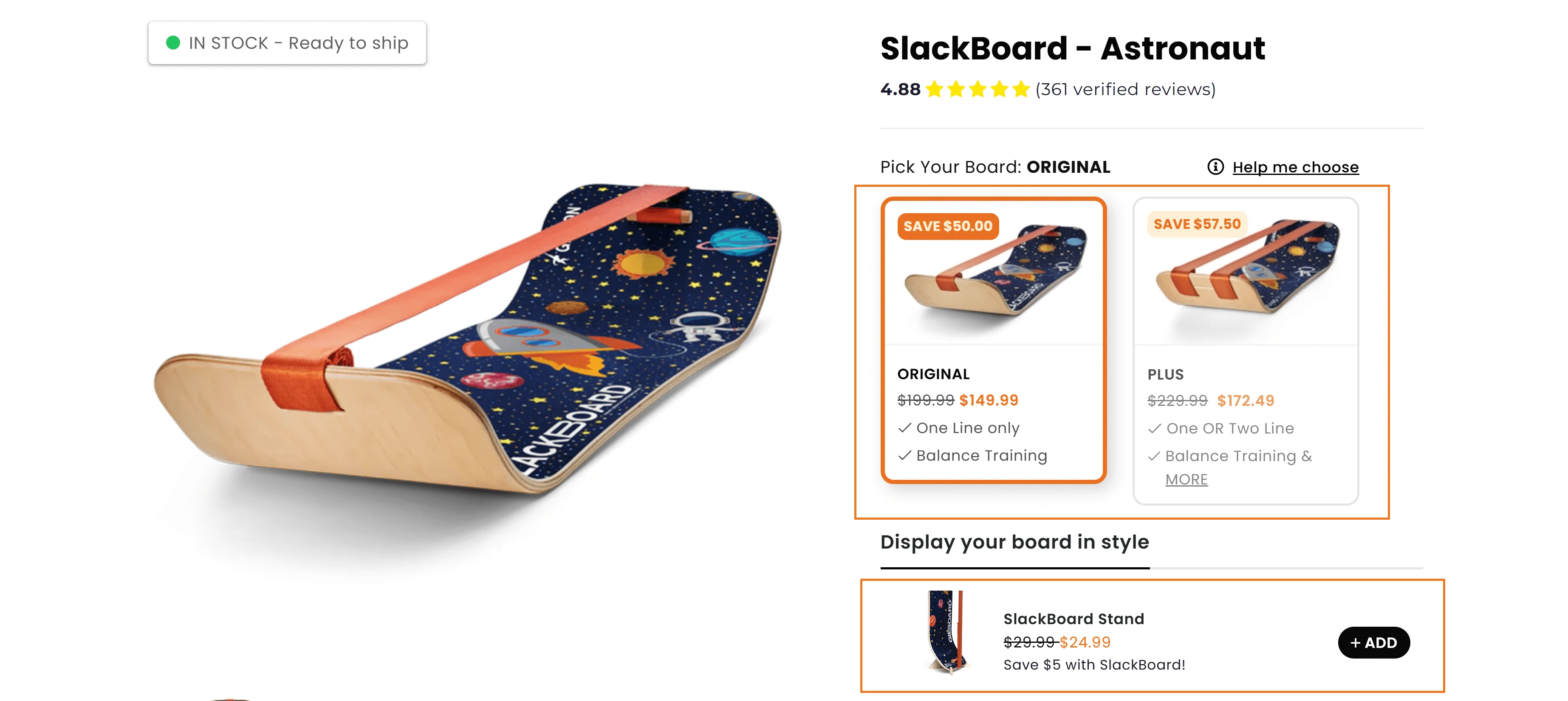
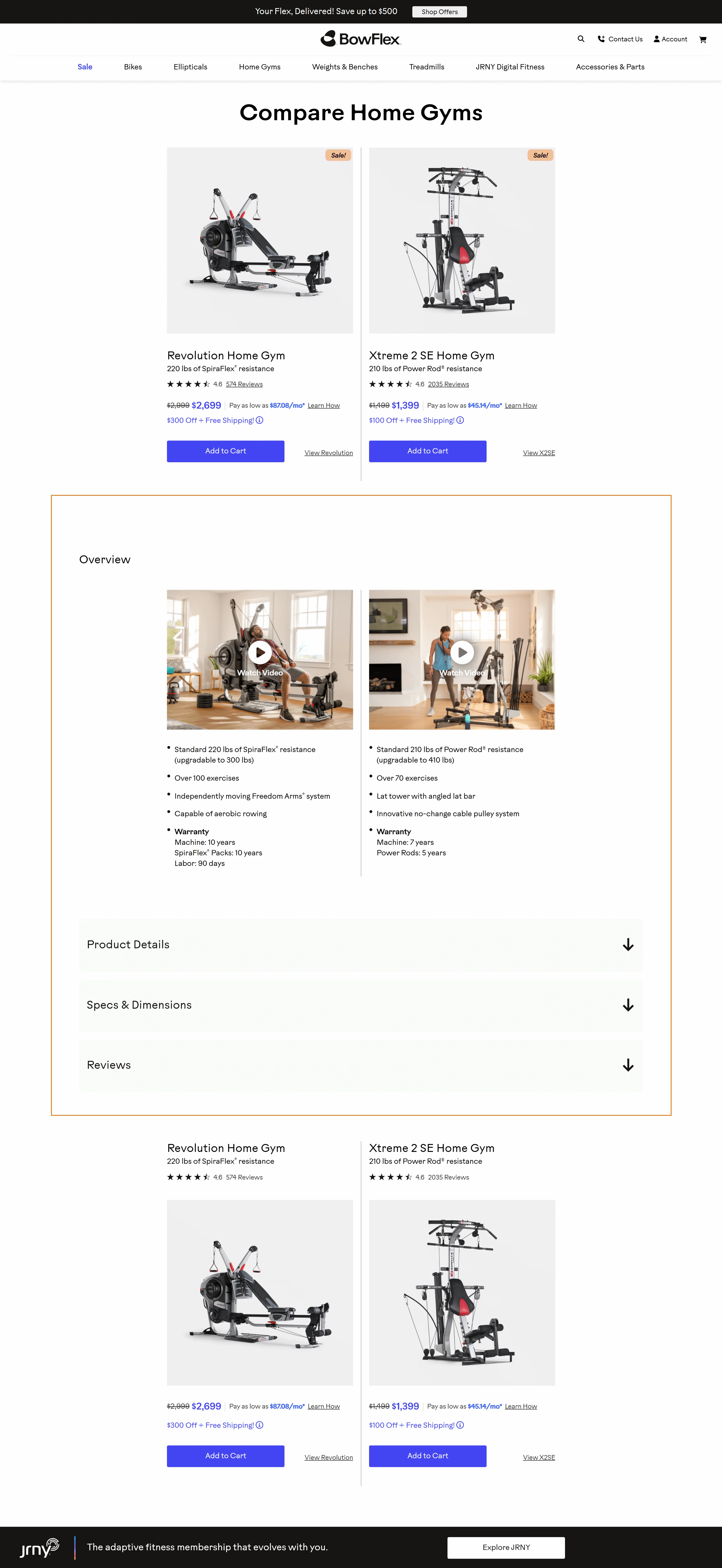
Listing three product variants side by side does not tell a shopper which to choose. Gibbons USA adds a 'Help me choose' quiz prompt directly on the product page. Bowflex builds an entire comparison landing page. The framing that works: 'This is the version most people end up wishing they had bought.'
b. Build the product case before introducing the upgrade
Trust comes before the ask. Resolve objections — size charts, reviews, and how it works first. Then, further down the scroll, when the shopper is already convinced, introduce the bundle or premium variant. The conversion rate for an upsell shown after a convincing product case is dramatically higher than that of one dropped in front of someone still uncertain.
c. Use decoy pricing to make the mid-tier feel like the obvious choice
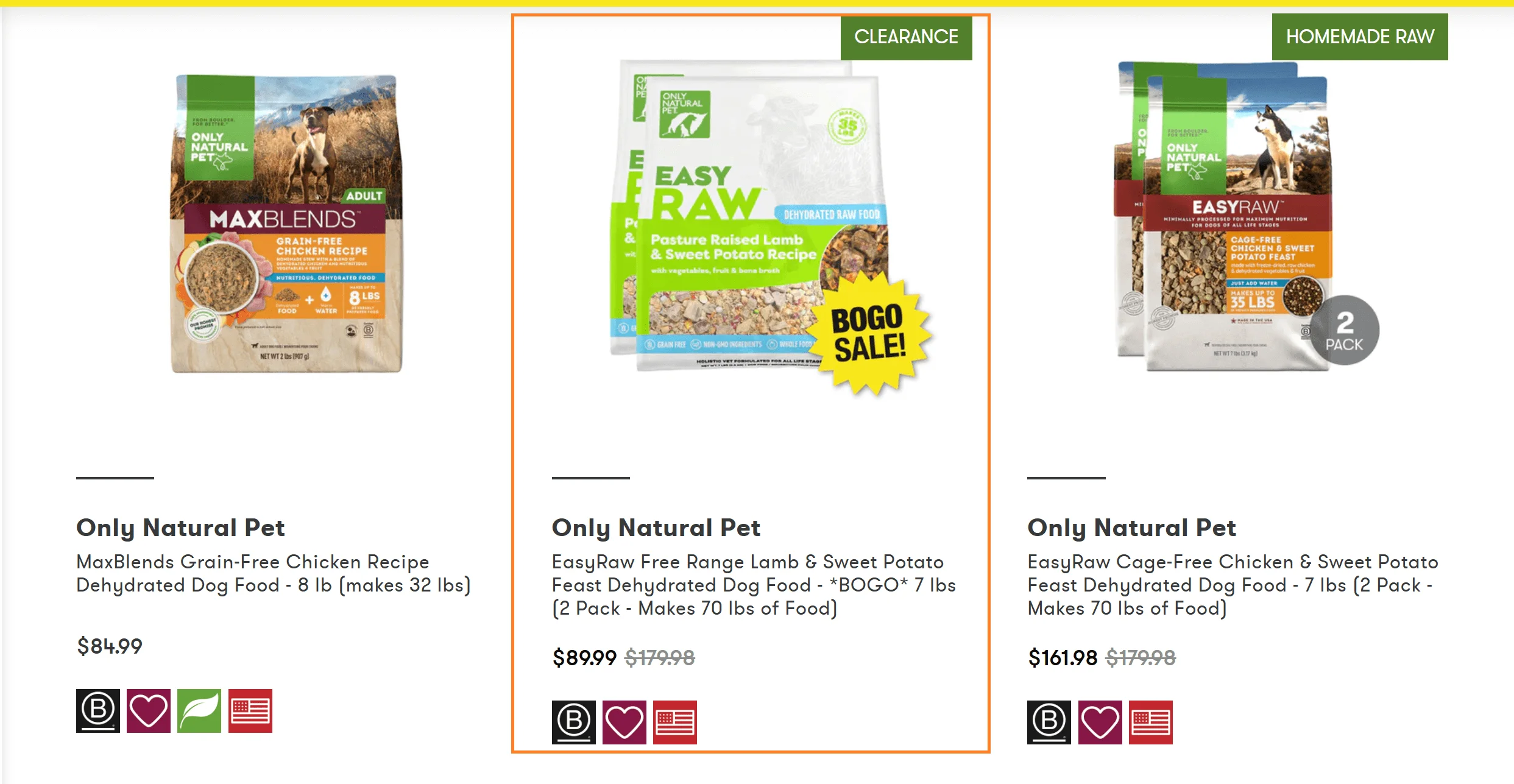
Only Natural Pet arranges its category page so middle-priced options carry the most visible cost-per-use savings. Shoppers gravitate toward them not because they were pushed, but because the maths was made obvious.
d. Use low-stock labels on upsell recommendations
Urgency and relevance together move carts. A low-stock label on a closely related product — one sitting at 15–20% of the main item's value — creates quiet pressure that works precisely because it is not shouted.
Cross-sell with context
a. Frame it as completing an experience, not suggesting extras:
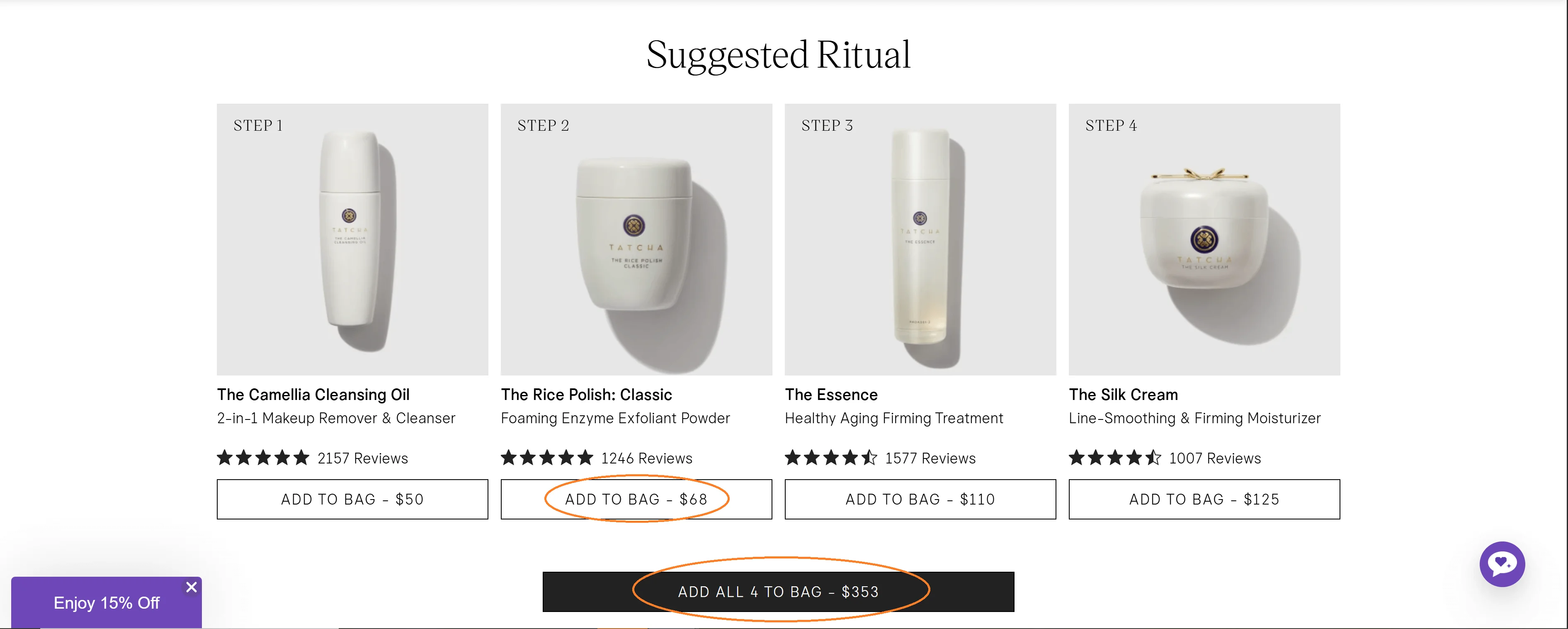
Tatcha builds a four-step skincare ritual and presents all four products as a complete routine. Madewell shows 'How to Style' — the cross-sell is styling advice. Purple reframes mattress accessories as things your mattress requires. In each case, the cross-sell feels inevitable rather than opportunistic.
b. Let shoppers build their own bundles:
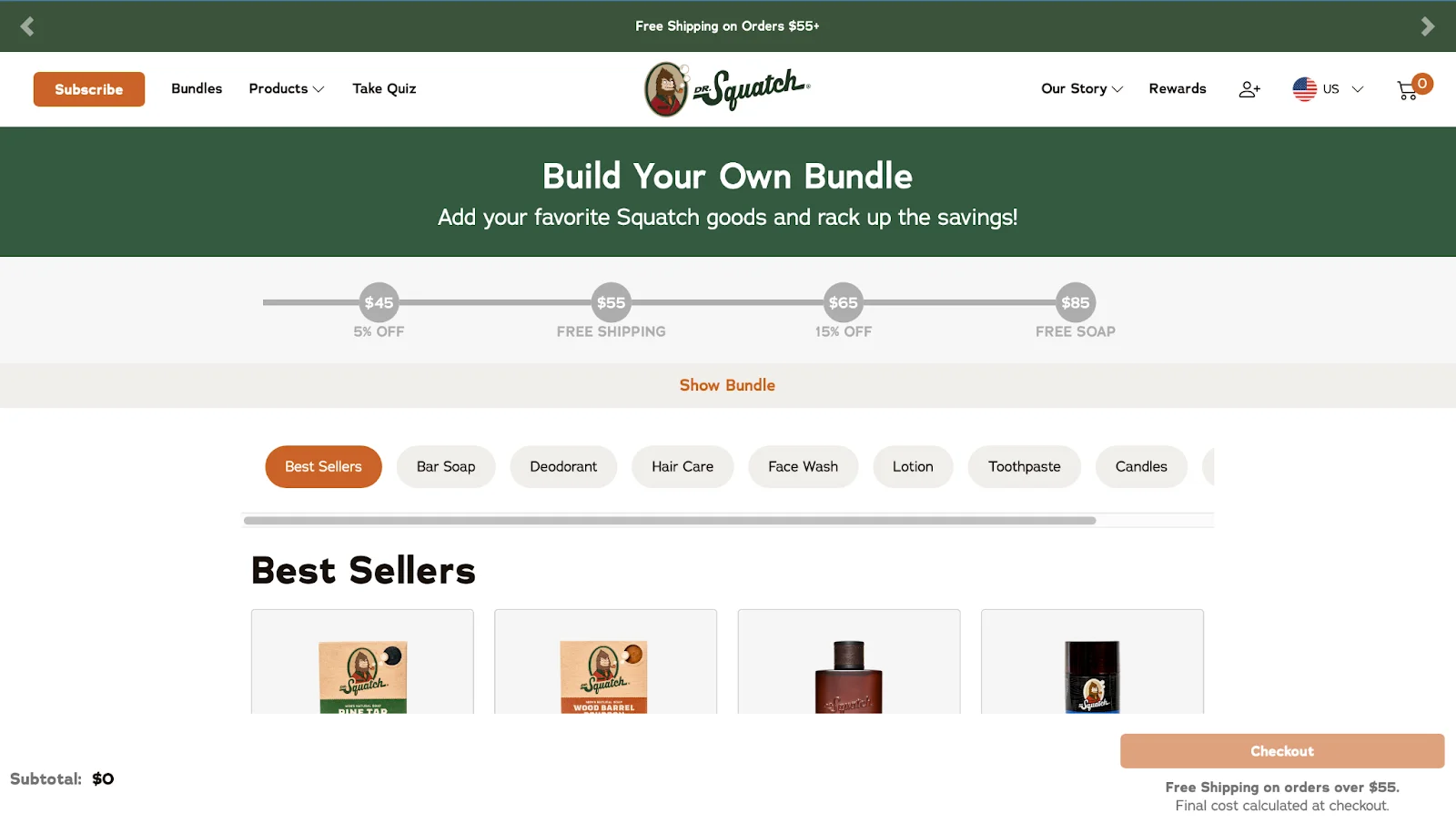
Pre-set bundles tell shoppers what they should want. DIY bundle builders used well by Nomadix, Pipcorn, and Dr. Squatch let shoppers decide for themselves. The act of building creates commitment. When you choose it yourself, you are far more likely to buy it.
If bundling is one of your AOV levers, our CRO testing guide has two specific bundle formats to A/B test — pre-packaged bundles vs. a "build your own" option — with what to measure for each.
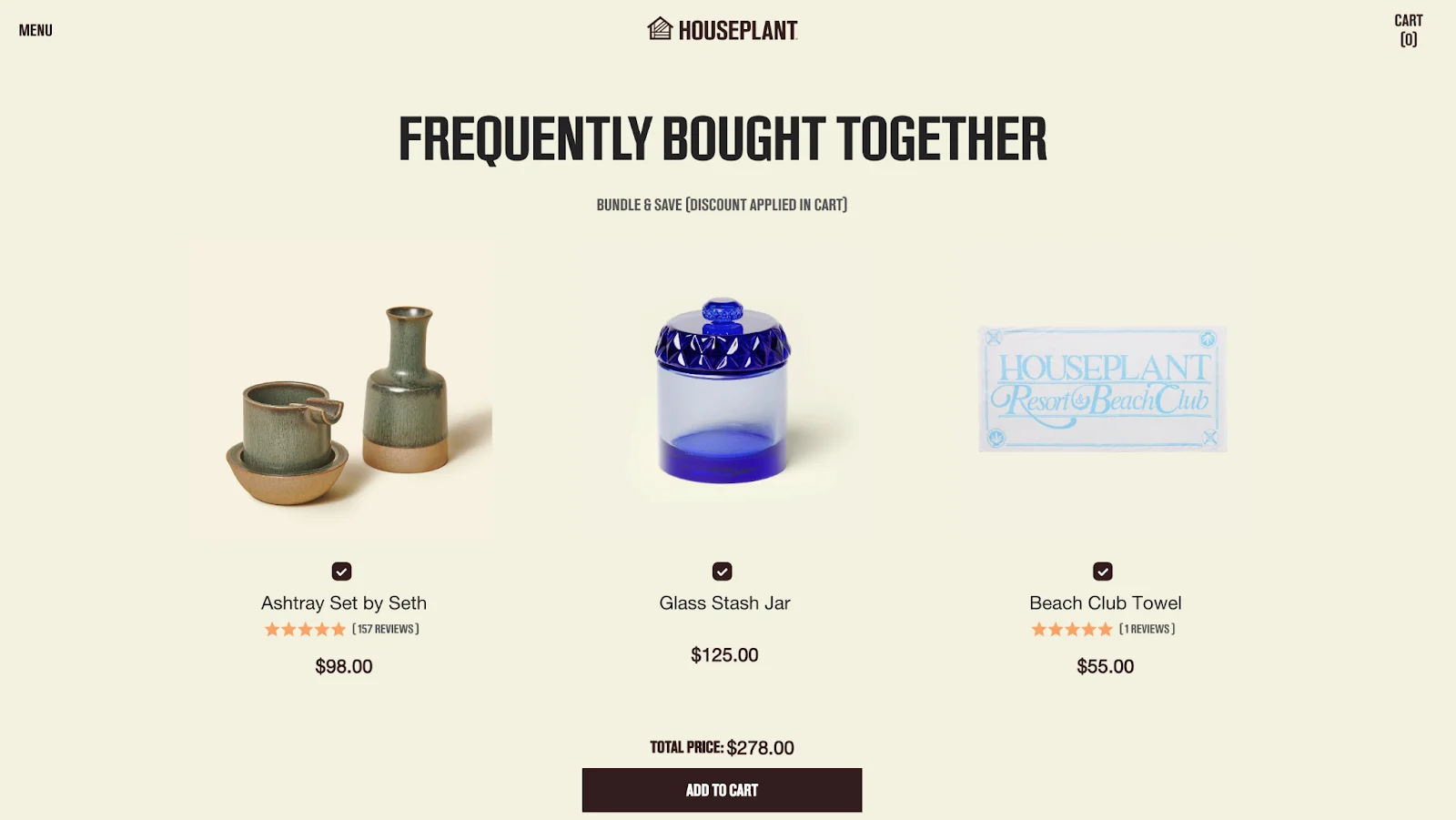
c. Place Frequently Bought Together below the Add to Cart button
Not above it, where it creates noise. Below it, where it catches a shopper who has already committed and is wondering what else might be useful. 'Designed to work with' converts better than 'you may also like,' which sounds like a guess.
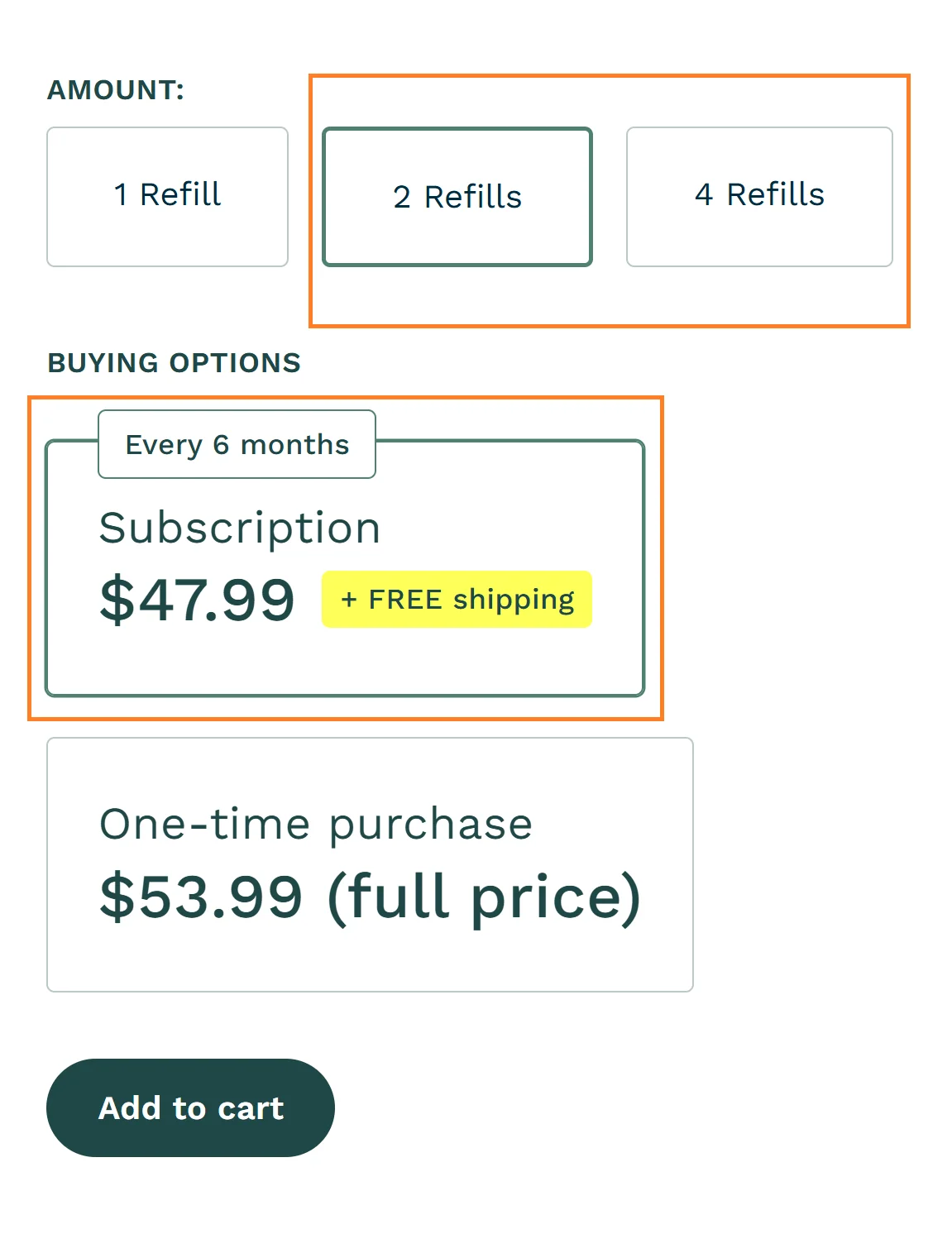
d. Offer Subscribe & Save with tiered duration discount:
Ten percent off monthly, fifteen percent off quarterly, and twenty annually. Show the per-day cost. Lomi tells shoppers that 66% choose the 6-month plan — zero stress on refills. The frame is not 'pay less'; it is 'solve the problem once.'
Case Study
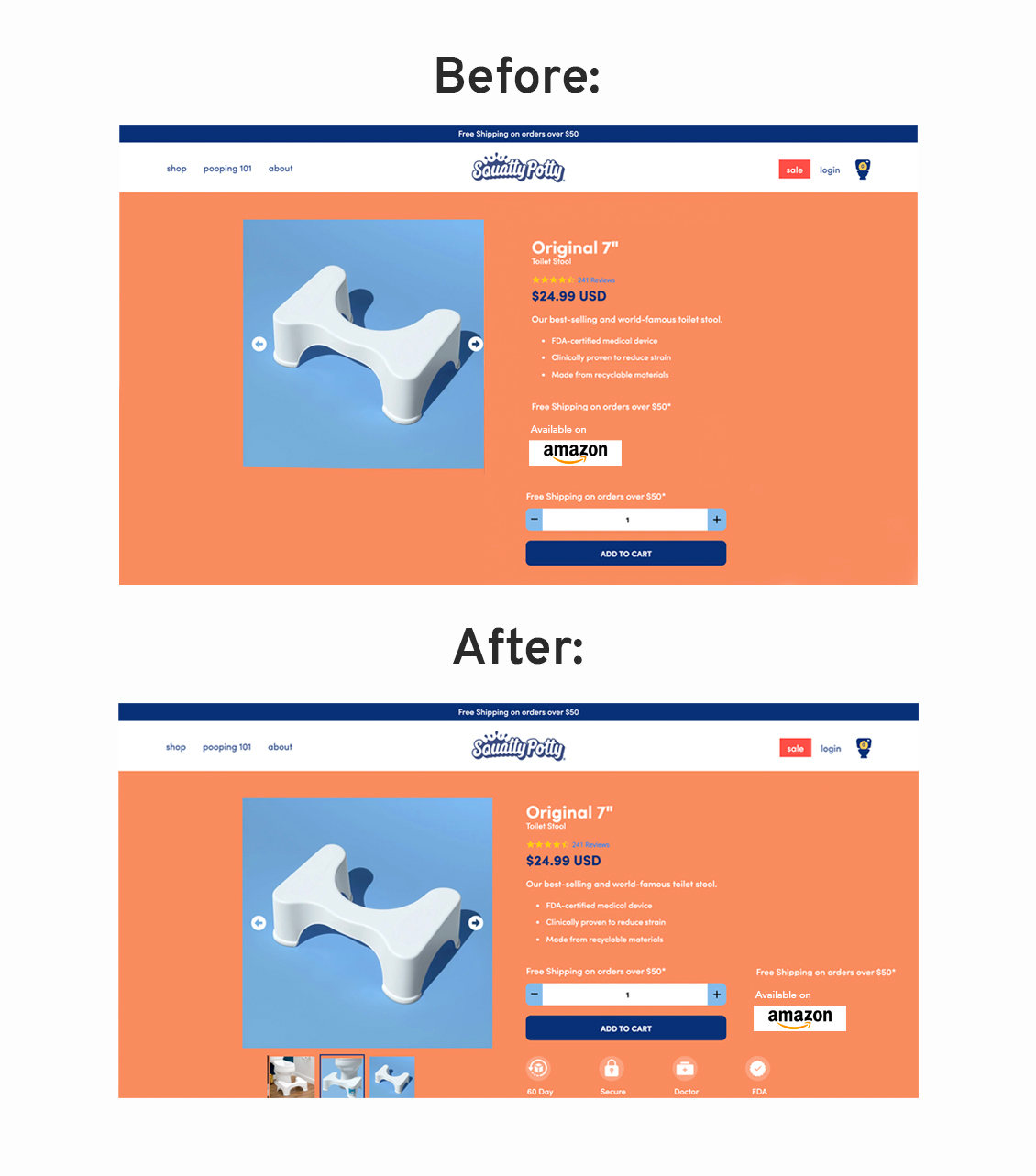
How Convertcart Helped Squatty Potty Drive 20% More Repeat Orders and $264,677 in Revenue From Onsite Changes Alone
Squatty Potty had two concrete problems: cart abandonment and low overall order value despite strong brand recognition. Convertcart shifted CTAs above the fold to reduce drop-offs, added personalised bestseller recommendations to the homepage, and introduced subtle accessory upsells alongside flagship products.
The result was 5,017 additional transactions, $264,677 in onsite revenue, and a 20% lift in repeat orders.
Phase 3: Cart & Checkout Strategies To Help You Improve Your AOV
Roughly 70% of shoppers who add something to a cart do not buy it. The cart is not a safe zone it is where doubt lives. One well-placed nudge can add $15–30 to an order without friction. One badly placed nudge can undo everything Phase 2 built.
Threshold mechanics: free shipping as an AOV engine
a. Show a free shipping progress bar, and suggest exactly what closes the gap
Nearly half of all online shoppers cite free shipping as the primary reason they buy online. A progress bar reading 'Add $12 more for free shipping' that immediately suggests a $14 product converts with remarkable consistency. Test your threshold at ±$10 to find the point that pulls carts up without frightening them off.
b. Auto-add a free gift when carts approach your AOV ceiling
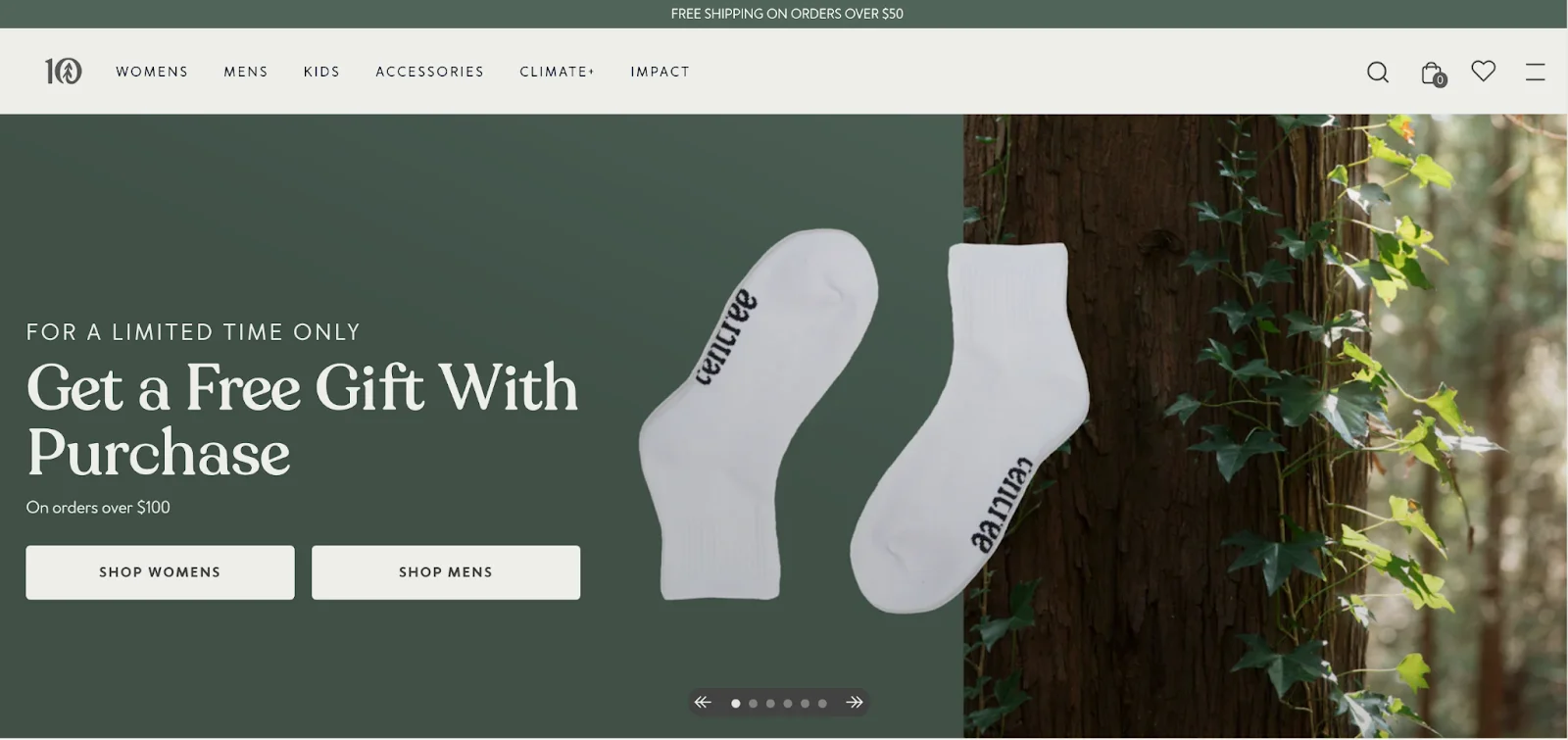
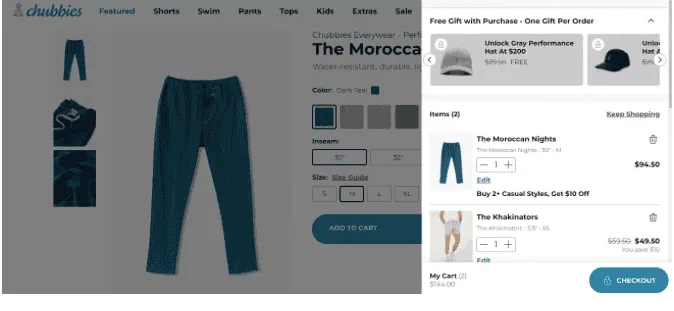
When a cart reaches your target order value, automatically add a small, low-cost item as a free gift. This triggers reciprocity — shoppers who receive something unexpected are significantly more likely to add another item of their own. The gift costs almost nothing; the incremental spend pays for it many times over.
c. Replace blanket discounts with spend thresholds
A candle brand offered a free wick-trimmer with any purchase over $75. The trimmer costs pennies. Average order value rose by $15 as customers added a second candle they had been considering. 'Spend $100, get $20 off' pulls carts upward. '20% off everything' just pulls your margin downward.
d. Replace 'You might also like' with social proof
'97% of customers who bought this also added X' converts better than a generic recommendation label. Benefit-led callouts from real reviews outperform star ratings in late-funnel positions where shoppers are already in decision mode.
Checkout discipline: one upsell, maximum
The checkout is not a second product page. It is a place to make money. Every upsell you add gives a shopper one more reason to reconsider the purchase they already made. That trade-off is almost never worth it unless the upsell is genuinely, obviously useful.
a. Show one product. Never repeat what they have already ignored
If a shopper passed on something at the product page stage and again at the cart stage, showing it a third time at checkout is not persistence — it is an accusation that they made the wrong choice. One super-relevant product, one 'Add & update cart' button.
b. Use limited-time framing for hesitant shoppers
'This offer expires in 12 minutes' addresses the abandonment problem specifically for shoppers who have been on site for over five minutes. The time limit provides the small push that converts deliberation into action.
c. Remove hidden costs before checkout, not at it:
Taxes and shipping appearing for the first time at the final step are the single most reliable predictor of cart abandonment. Show all costs early. A surprise $8 shipping fee at checkout sends shoppers to a competitor.
The One Rule for Checkout Upsells
The One Rule for Checkout Upsells
Every upsell you add at checkout gives the shopper one more reason to second-guess the purchase they already made. The goal here is to take money — not to maximise the number of recommendations shown.
Three non-negotiable rules:
1.One product only. No grid. No carousel. One.
2.Never show something the shopper has already ignored at an earlier stage.
3.Make accepting it a single click — no new page, no re-entering details.
Phase 4: Post-Purchase Strategies To Help You Improve Your AOV
A customer who has just completed a purchase is, at that precise moment, in the highest-trust state of their entire relationship with your brand. They chose you. The card went through.
Nobody is more receptive to a relevant recommendation than someone still warm from a successful transaction. And yet most stores greet this moment with nothing more than a receipt.
The thank-you page
a. One-click upsell, one product, one button
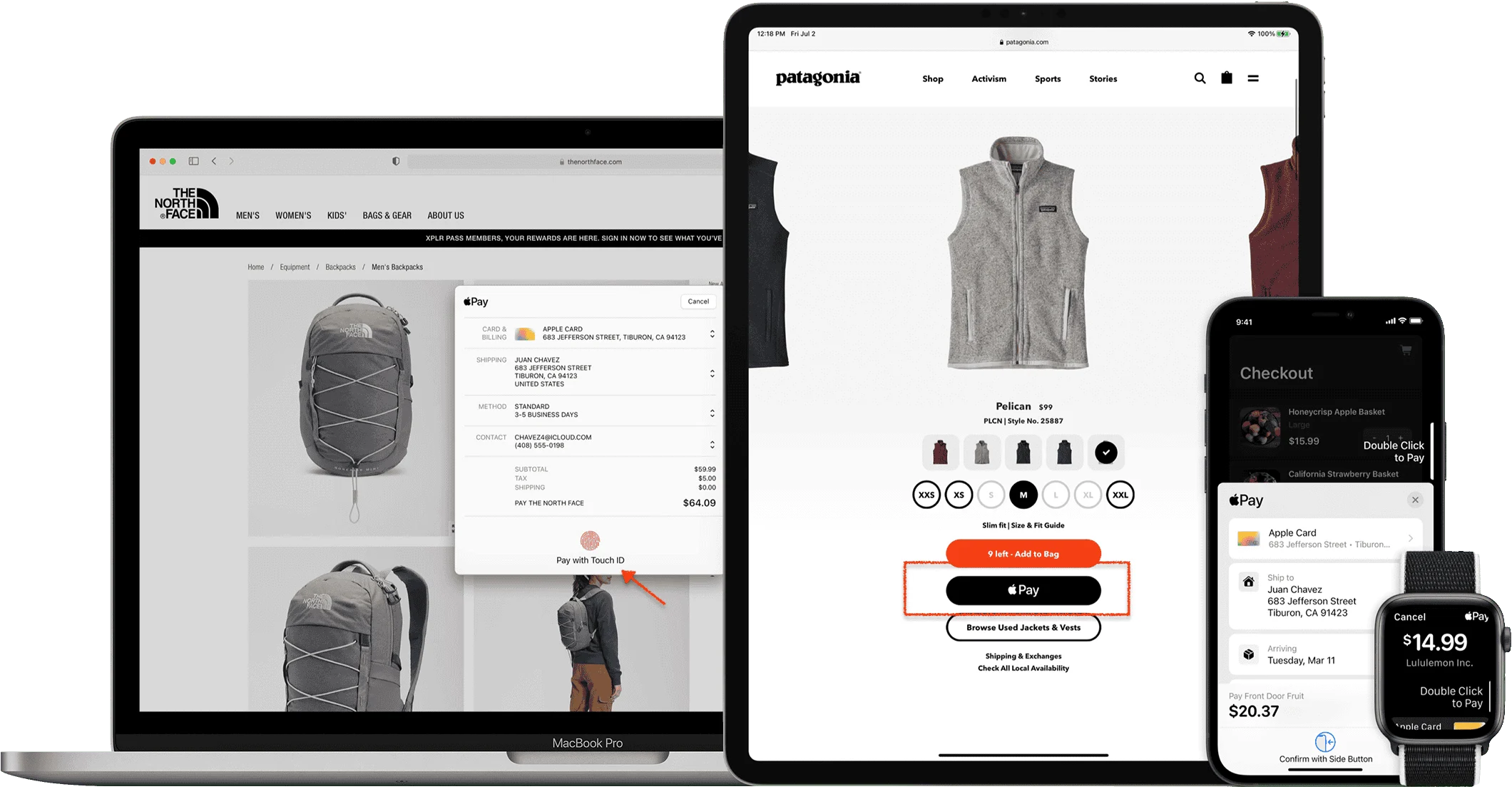
Shopify's one-click upsell lets customers add a product without re-entering payment or shipping details. The barrier to yes is as low as it gets. Use it for a single, closely related product with a clear discount. Test thoroughly — app conflicts are more common than the App Store listings suggest.
b. Drop a discount in the order confirmation email
The order confirmation is the most-opened email in eCommerce. A discount code here feels like a reward, not a pitch.
c. Time upgrade prompts to the replenishment cycle
Ipsy waits sixty days after a purchase, then sends: 'You have had your product for two months — ready to upgrade?' An upgrade email at sixty days feels like a thoughtful check-in; the same email at two days feels like regret-bait.
Case Study
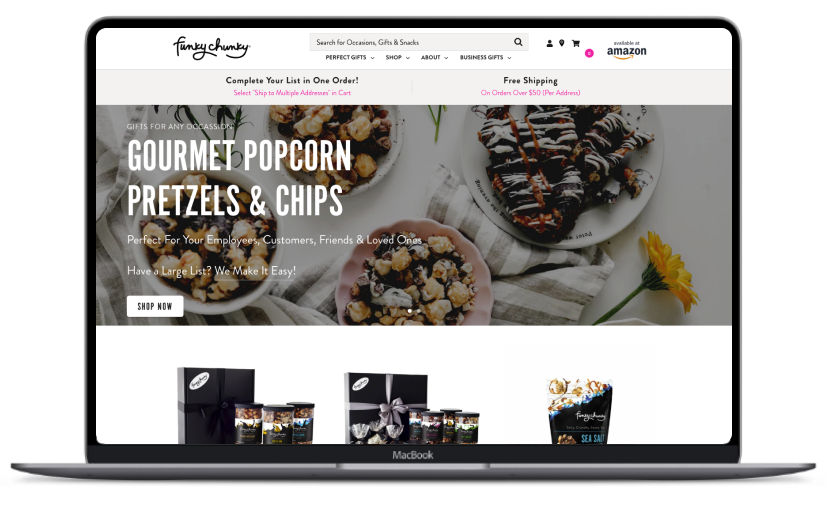
How Convertcart Helped Funky Chunky Generate 59% More Revenue From Email and 8.2X Revenue Per Visitor
Funky Chunky, a gourmet snack brand, had strong brand loyalty but wasn't capitalising on it post-purchase. Convertcart built behaviour-triggered email workflows — cart recovery, cross-sell sequences, purchase anniversaries — and layered in personalised recommendations on-site.
The result: a 59% increase in revenue from emails, 8.2X revenue per visitor from improved search and recommendations, and a 38% lift in overall conversion rate across 60 experiments.
Phase 5: Retention & Loyalty Strategies To Help You Improve AOV
Repeat customers spend, on average, 67% more per order than first-time buyers. They already trust you, which means they are far more likely to try a premium product, complete a bundle, or cross a spend threshold without much convincing.
Loyalty mechanics do not spike AOV the way a well-placed free shipping bar does — they change the trajectory of AOV over months and years.
Tiered loyalty programmes
a. Tie tier thresholds directly to AOV targets
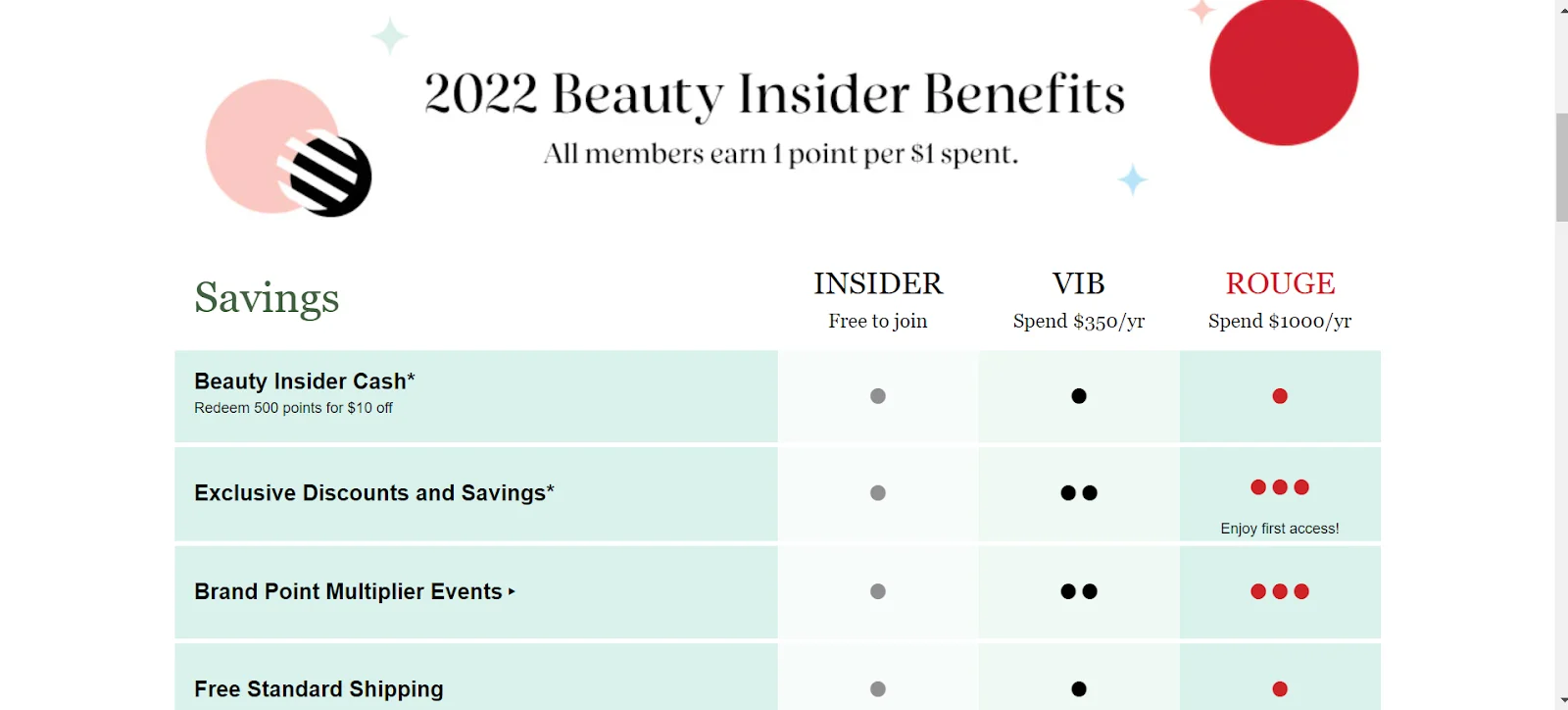
Sephora's Beauty Insider, Hydro Flask's three-tier rewards, and Brooklinen's quantity discounts all share the same fundamental design: the next level is always within reach. 'You are $40 from Gold' is an AOV nudge present in every session. Structure your tiers so the gap to the next level is always smaller than one additional purchase.
b. Use threshold discounts for returning customers, not flat percentages
Welcome back: 20% off your next order of $75 or more' pulls returning customers upward in ways a flat 20% off never will. They already trust you. They do not need a reason to buy; they need a reason to buy more.
c. Make loyalty point potential visible before the product page
Caraway puts it on the homepage. Ursa Major puts it in the navigation bar. If shoppers only discover rewards at the cart page, you have missed every opportunity earlier in the journey to influence the size of the cart they build.
Smart promotions: value-add over discounts
a. Offer free gifts at spend thresholds instead of blanket discounts
A luxury candle brand offered a free wick-trimmer with any order over $75. The trimmer costs pennies. Average order value rose by $15 as customers added candles they had been considering. The gift protected the price point. A blanket 15% discount would have cost more in margin and moved the cart less.
b. Keep your high-ticket products as the hero
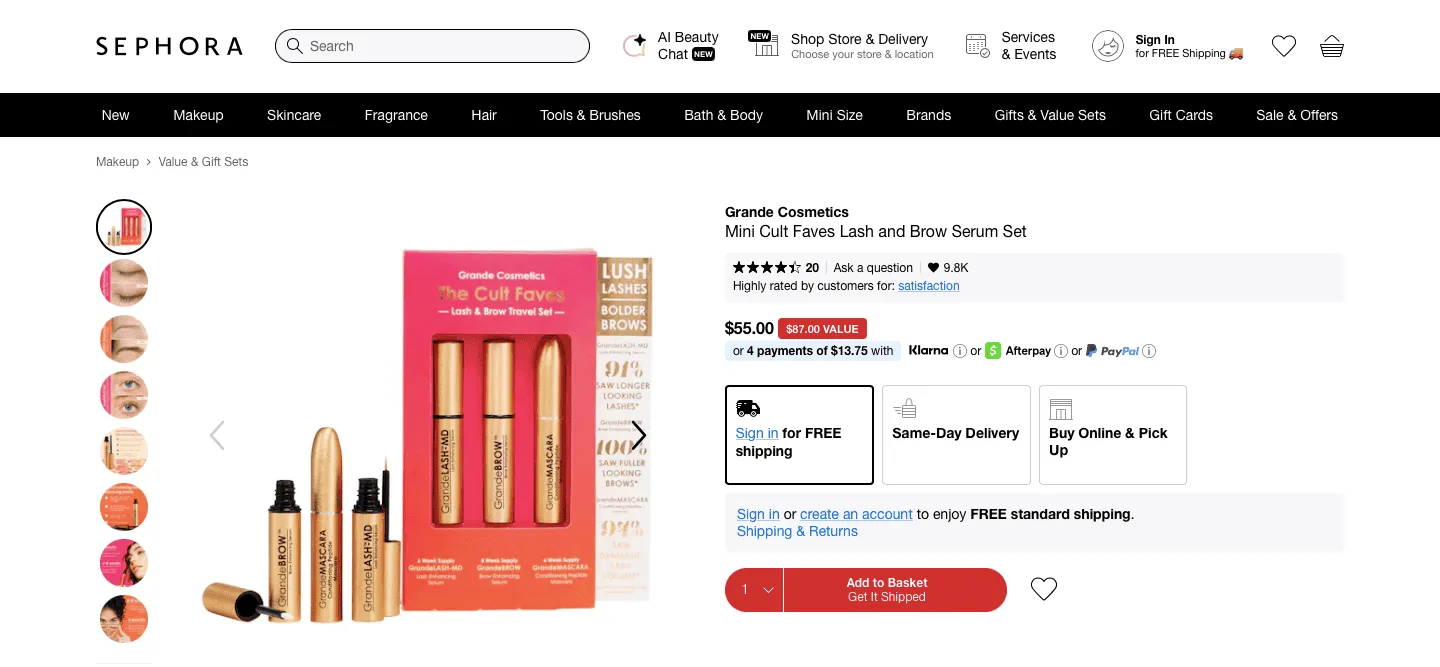
A clothing brand that launches a line of $10 t-shirts will watch traffic rise and AOV fall. Use low-ticket products as cart-fillers — items that help a shopper reach a shipping threshold — not as the main event. Sephora's LashStash bundle turns a potential $12 single purchase into a $50 first transaction.
c. Treat discount erosion as a silent emergency
Perpetual flash sales train customers to wait. When 'I'll buy it when it's on sale' becomes default behaviour, you have permanently altered your pricing power. The fix: pivot toward value-add promotions and accept that recovering perceived value takes longer than losing it did.
Segmenting AOV for smarter decisions
Audit AOV by acquisition channel
Email subscribers consistently outspend social traffic. Customers arriving from a specialist newsletter typically spend two to three times more per order than those from a discount-aggregator ad. Before applying any tactic site-wide, check which channels are dragging the average down.
Track cohort AOV over 90 days
Are customers who first bought in the last twelve months spending less at 90 days than the cohort before them? A declining cohort AOV is a brand perception signal — no upsell widget will fix a store that shoppers think is heading downmarket.
Measure your attachment rate
For every core product you sell, how many accessories accompany it? If the ratio is persistently 1:0, your catalog is not talking to itself. Fix the connections before adding new upsell mechanics.
AOV Levers by Effort and Speed
AOV Levers by Effort and Speed
Low effort, fast results
Days
Free shipping progress bar
Spend-threshold discount (replace blanket % off)
One-click upsell on thank-you page
Remove hidden costs from checkout
Medium effort
1–2 weeks
Frequently Bought Together (with the 15–20% value rule)
Post-purchase email with product guide + exclusive offer
Bundle builder on product pages
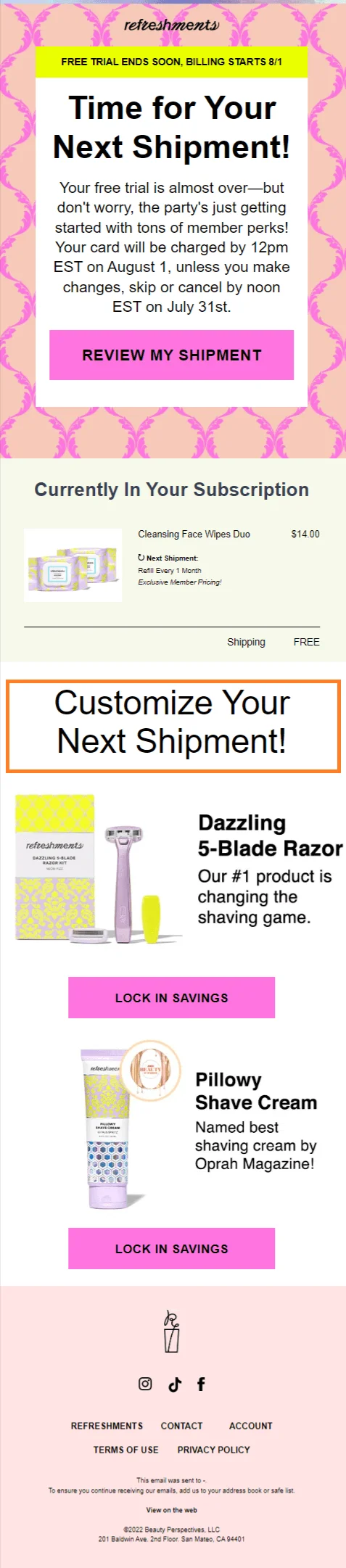
Cart abandonment email with gifting nudge
Higher effort, compounding returns
1–3 months
Tiered loyalty programme with AOV-linked thresholds
Subscribe & Save with tiered duration pricing
Cohort and channel AOV segmentation
How to Measure and Test AOV Improvement
The three tests worth running first are also the simplest: move your free shipping threshold up or down by $10 and watch what happens; run your Frequently Bought Together widget on half your traffic and off on the other half; add a discounted offer to the thank-you page and measure both take rate and 30-day repeat purchase.
These three tests give you more useful information than most audit spreadsheets.
How to Calculate AOV — and Set Targets That Make Sense
The AOV Formula + How to Set Your First Target
The formula: Total Revenue ÷ Total Orders = AOV
Ten thousand dollars from two hundred orders = $50 AOV.
Set your first target using the product gap method: find the gap between your best-selling product's price and your free shipping threshold. If your best-seller is $40 and shipping is free at $60, your first AOV target is $62 — the number customers are most likely to stretch toward.
Track median, not mean.
One large B2B order skews your average into the stratosphere. When that client does not return, the data looks catastrophic, even if everyday customers are spending more. Median AOV tells you what ordinary shoppers are actually spending.
Aim for 10–15% incremental lifts.
Trying to double your AOV quickly is a reliable way to frighten away customers who were perfectly content spending $40. Incremental progress compounds; shock tactics do not.
Track Revenue Per Visitor (RPV) alongside AOV.
RPV = AOV × conversion rate. A bundle that lifts AOV from $50 to $60 but drops conversion rate from 3% to 2% has actually made you less money. Always check both numbers before celebrating a win.
What To Track Beyond AOV
Revenue Per Visitor
AOV multiplied by conversion rate. A bundle that lifts AOV by $10 but drops your conversion rate by 1.5 percentage points has reduced your revenue. Run both numbers before declaring a test a success.
Attachment rate
Core products sold per accessory added. If you sell 1,000 laptops and 12 cases, your attachment mechanics are broken regardless of how persuasive your upsell copy is.
Cohort AOV at 30, 60, and 90 days
Newer cohorts spending less than older ones at the same lifecycle stage is a warning sign that matters more than any single week's headline AOV figure.
Channel AOV
A value-to-volume chart per acquisition source reveals which channels bring spenders and which bring browsers. High AOV with low volume is a different problem from low AOV with high volume — and the solutions diverge.
Industry Benchmarks: Where Does Your AOV Stand?
Before diagnosing a problem, it helps to know whether you have one. AOV varies dramatically by vertical — $50 is entirely reasonable in food and beverage, and genuinely alarming in electronics.
AOV Industry Benchmarks
Vertical & avg AOV
Top tactic that moves it
Fashion$81
AI-driven outfit recommendations + 'complete the look' bundles. ASOS's Frequently Bought Together in the cart is the textbook model.
Beauty & Skincare$71
Routine-building cross-sells ('Complete your morning ritual') with a single add-all button. Fenty Beauty executes this better than almost anyone.
Electronics$348
Accessory bundles at checkout + protection plan upsell. Apple's AppleCare prompt during checkout has trained an entire industry.
Home & Furniture$215
'Complete the room' cross-sells and AR visualisation. Crate & Barrel's 'complete the look' feature consistently drives multi-item orders.
Health & Wellness$50
Multi-month subscription upsells with per-day cost framing ('just $0.47 a day'). Hubble and Lomi are both worth studying.
Luxury Goods$436
Personalisation and monogramming as paid add-ons. Concierge-style services for high spenders. Louis Vuitton's custom monogramming lifts AOV visibly.
Food & Beverage$40
Themed occasion bundles and auto-renewal subscriptions with perks. Blue Apron's subscription model shows the ceiling for this vertical.
Pet Supplies$83
Bulk buying incentives + loyalty points for recurring orders. Chewy's subscription discounts are a masterclass in recurring AOV.
Sporting Goods$122
Seasonal equipment kits + free shipping thresholds set above single-item price. Nike's matching kit bundles move full sets, not individual pieces.
The Short Version
More traffic without more revenue is not growth. It is expensive stagnation dressed up in flattering analytics.
Work the five phases in sequence. Diagnose before you optimise — the most common AOV mistake is running the right tactics on the wrong problem. Fix the product page before worrying about cart mechanics. Use the post-purchase window, because almost nobody does. And invest in loyalty, because it is the only lever that compounds.
The stores that consistently increase average order value do not do forty things at once. They diagnose accurately, test one variable at a time, and let small wins accumulate into large ones. That is not a dramatic approach. But it is, reliably, the one that work.
Frequently Asked Questions
Why is my AOV low despite high traffic?
High traffic proves visibility. Low AOV suggests you are attracting the wrong kind window shoppers brought in by a viral post or a cheap entry product, who have no intention of exploring the rest of your store. Audit AOV by acquisition channel first.
Then look at checkout friction. Low-intent traffic combined with a tedious checkout is the most common cause of exactly this pattern.
How do I calculate AOV and set a realistic target?
Divide total revenue by total orders over a specific period. Use the product gap method to set a target: find the gap between your best-selling product's price and your free shipping threshold, and target a point just past it. Aim for 10–15% incremental improvements.
Trying to double AOV quickly is a reliable way to frighten away customers who were perfectly happy spending what they were spending.
What is the difference between AOV and Revenue Per Visitor?
AOV measures the average spend per completed order. RPV measures how much revenue each visit to your store generates — it includes both AOV and conversion rate. A bundle that increases AOV but reduces conversion rate can lower RPV.
This is called cannibalization, and it is why you should always track both metrics when running upsell and bundle tests.
Which AOV tactics work best for subscription businesses?
The most effective model is the add-on marketplace: once a subscriber is locked in, offer one-time add-ons that ship free in their next scheduled box.
Tiered membership — a Gold tier with a rotating mystery item or early access — creates stickiness and increases monthly revenue without requiring new subscribers. Lomi and Ipsy are both worth studying in detail.
Should I segment AOV by acquisition channel or customer cohort?
Both for different reasons. Channel segmentation tells you where your best spenders come from — email nearly always outperforms social by a wide margin.
Cohort segmentation tells you whether your brand's perceived value is holding over time. If last year's cohort is spending less at 90 days than the cohort before, that is a positioning problem, not a tactics problem.
What makes a product bundle actually convert?
The best bundles remove a decision rather than adding one. A 'Morning Glow Trio' (cleanser, toner, moisturiser) saves the shopper from figuring out which three products work together. A gift bundle (tie, cufflinks, pocket square) saves the panicked buyer from three separate choices under time pressure.
The bundle should feel like someone thoughtful has already thought.
How do I estimate AOV uplift from a bundling test?
Run a clean A/B test — half your visitors see the Frequently Bought Together widget, half do not. Measure AOV for each group, but also measure Revenue Per Visitor. If the bundle group shows higher AOV and the same or better RPV, you have a genuine win.
If AOV rises but RPV falls, the bundle is cannibalising a higher-value purchase rather than adding incremental spend.
Subscribe for more articles like this!
Thank you - we'll see you in your inbox soon!
Oops! Something went wrong while submitting the form.
Read by 5000+ ecommerce store owners
Subscribe for more articles like this!
Thank you - we'll see you in your inbox soon!
Oops! Something went wrong while submitting the form.





.avif)
.svg)


.svg)

.svg)
.svg)
