The world of conversion rate optimization (CRO) never stands still.
Every year brings fresh CRO trends, from the rise of generative AI to the growing shift toward conscious shopping, that reshape how brands connect with customers.
In this article, we’ll break down the biggest eCommerce CRO trends and future developments in conversion rate optimization to watch in 2026, so you can stay ahead, adapt fast, and keep turning browsers into buyers.
16 eCommerce Conversion Rate Optimization Trends for 2026
1. Hyper-personalization with AI
AI tools have quickly become the star of eCommerce CRO trends, reshaping how brands personalize shopping experiences.
Here’s how you can tap into this conversion rate optimization trend to deliver more meaningful, data-driven experiences:
Personalized recommendations: Use AI to suggest products based on each customer’s browsing behavior, purchase history, and on-site actions.
Dynamic pricing: Adjust prices in real time depending on demand, clickstream data, and competitor pricing, without losing sight of customer value.
Smart chatbots: Let AI-powered chatbots handle product questions, offer tailored recommendations, and even predict conversions by understanding user intent, location, and past interactions.
As future developments in conversion rate optimization continue to unfold, AI will stay at the core, helping brands craft smoother, smarter, and more human shopping experiences that drive lasting loyalty.
2. Voice search
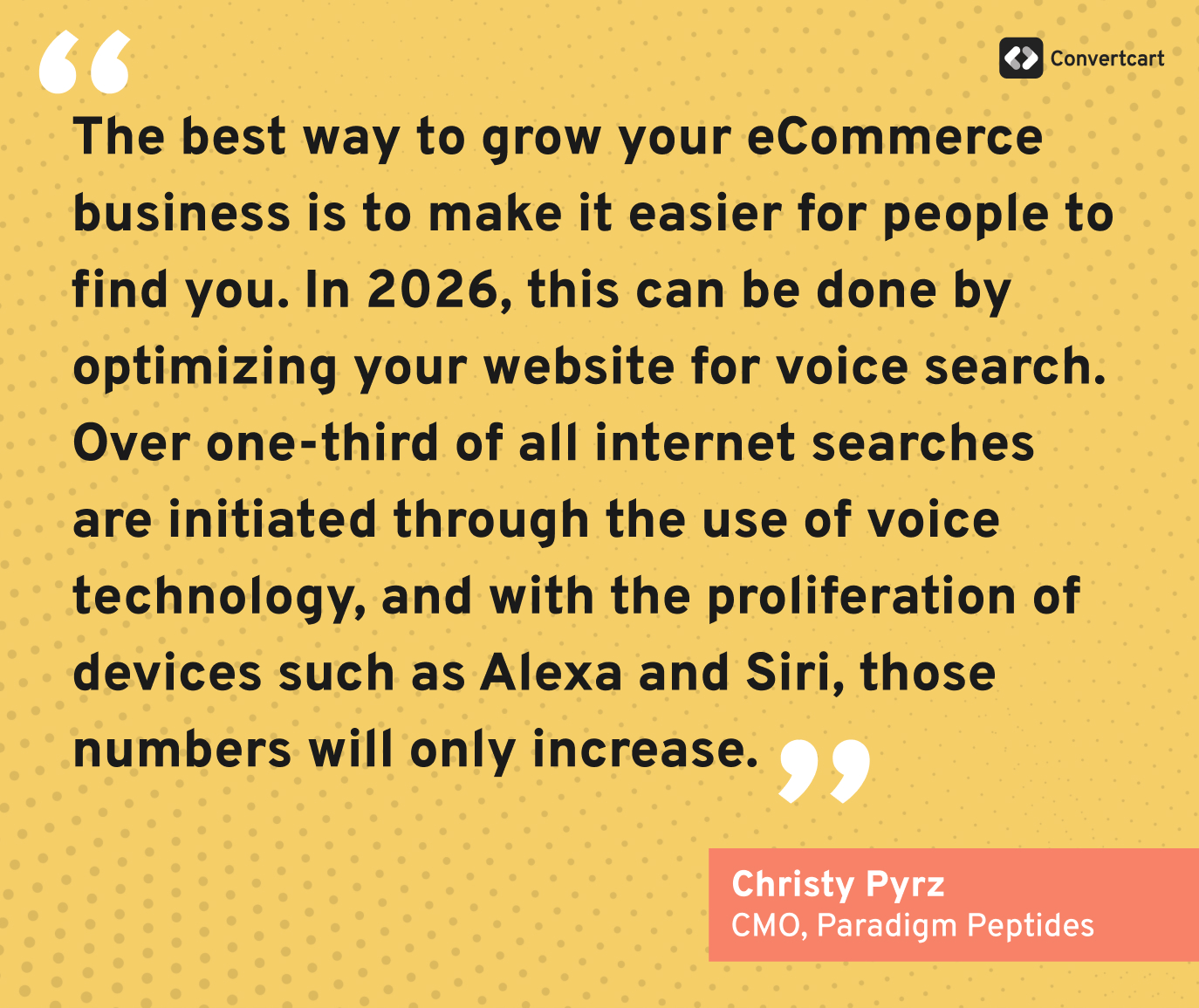
Did you know that nearly 45%of Americans now use voice search as part of their shopping journey?
It’s becoming a major player in eCommerce CRO trends, especially during the “awareness” stage, when shoppers are exploring products and brands.
To make the most of this conversion rate optimization trend, focus on how real people actually talk.
Here’s what to keep in mind:
Use conversational language in your product titles and descriptions.
Incorporate long-tail keywords that mirror natural speech patterns.
Think about how people phrase queries out loud, for instance, instead of writing “ergonomic office chair,” use “office chair with back support.”
As future developments in conversion rate optimization unfold, optimizing for voice search will be key to helping shoppers find you, simply by asking for what they need.
3. Localized shopping
More shoppers than ever are open to buying from global brands, but high shipping costs and regional inflation often stand in the way.
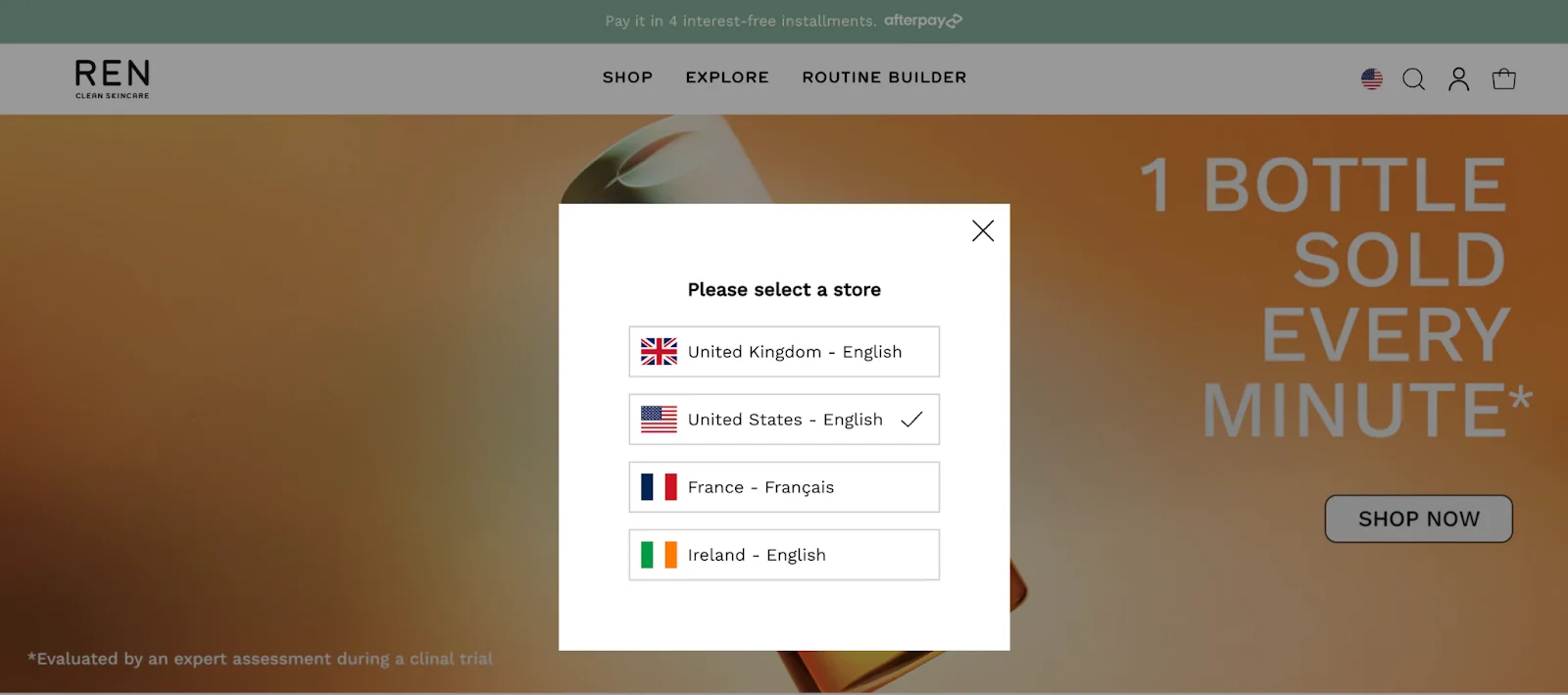
To overcome this, leading brands are personalizing the shopping experience by going local.
Take REN Clean Skincare, for example. They allow shoppers to choose their regional store site, instantly creating a smoother, more relevant experience.
Here’s how you can use this CRO trend to localize your eCommerce store and boost conversions:
Offer accurate, culturally appropriate translations to ensure clarity and trust.
Display prices in local currencies to make purchasing decisions effortless.
Provide familiar local payment options, which often vary widely between regions.
Incorporate cultural nuances in design, visuals, and copy to create a sense of connection.
Localize content from product descriptions to imagery—to truly resonate with regional audiences.
4. Social commerce
Social commerce is growing nearly three times faster than traditional eCommerce.
Platforms such as Instagram, TikTok, Facebook, and Pinterest help brands engage directly with customers, close the digital gap, increase awareness, drive traffic, and improve conversions.
When combined with video marketing, this approach becomes one of the most powerful eCommerce CRO trends for 2026.
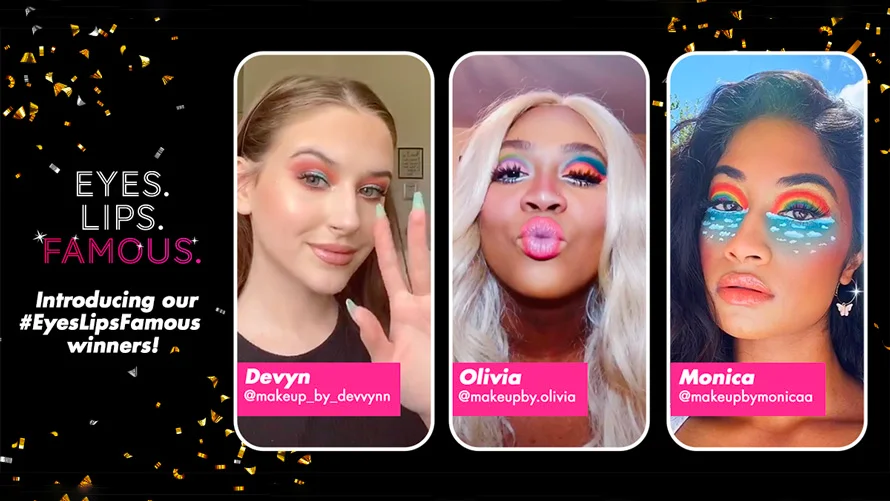
e.l.f. Cosmetics demonstrated the potential of these CRO trends through their TikTok reality show “Eyes. Lips. Famous.”
The campaign invited three beauty enthusiasts to learn from the brand’s team and act as ambassadors, turning followers into active community members.
The results included over 3,000 campaign entries, extensive social sharing, and a wealth of user-generated content that continues to power their TikTok marketing strategy.
As future developments in conversion rate optimization continue to take shape, combining social commerce with video storytelling remains one of the most effective ways to engage audiences and predict conversions through authentic, community-driven content.
5. Mobile accessibility
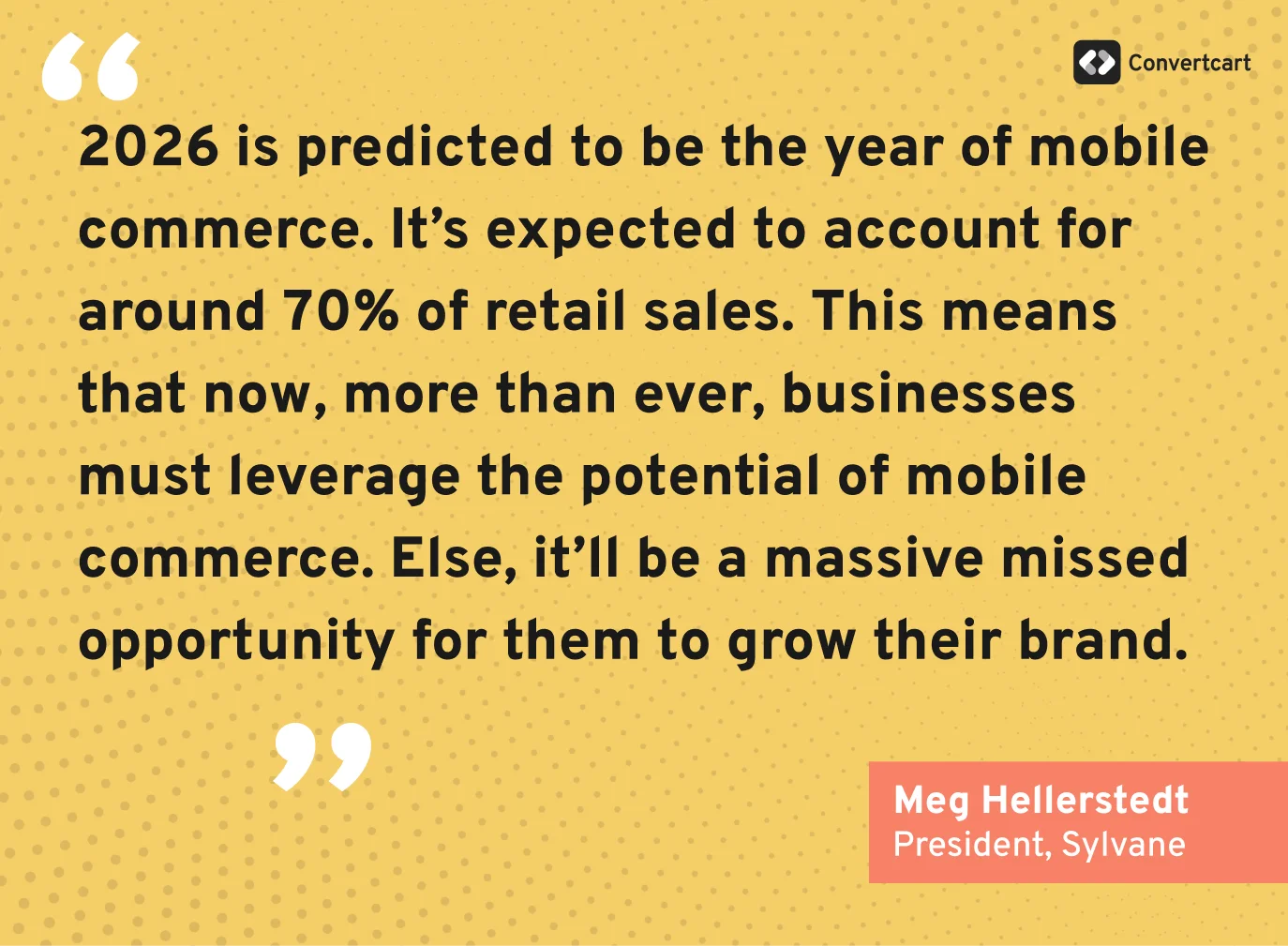
Research supporting this CRO trend shows that 67% of consumers prefer using a mobile app over a mobile website.
Mobile apps give shoppers an easy way to browse products, make purchases, and track their orders in one seamless space.
A dedicated retail app also helps brands stay connected with their audience through notifications about new products, services, and promotions, keeping engagement high and conversions steady.
Accessibility matters. Many people with disabilities struggle to navigate digital interfaces.
Make every element on your mobile app or website clear, easy to find, and simple to use. This small improvement supports inclusivity and strengthens overall conversion rate optimization.
6. Zero-party data
Zero-party data is information that consumers actively and intentionally share with brands.
This includes personal preferences, purchase history, lifestyle habits, and more. It ranks as one of the most valuable types of data in eCommerce CRO trends because it directly reflects what customers want, helping brands deliver highly relevant experiences.
Brands can collect zero-party data in several ways:
Online surveys and quizzes that uncover preferences and interests.
Loyalty programs and rewards that encourage customers to share more about themselves.
Social media interactions and product reviews provide insights into behavior, opinions, and emerging trends.
Using zero-party data supports smarter conversion rate optimization trends and future developments in conversion rate optimization, helping brands predict conversions and craft personalized experiences that truly resonate with shoppers.
7. Humanized copy
There’s a reason why Polaroid pictures and '90s fashion made such a comeback last year.
Shoppers crave human touch in a world full of automation.
Simplicity and authenticity are part of the new eCommerce CRO trends.
Humanized copy involves writing product descriptions, pop-ups, and website content in a way that feels relatable, engaging, and emotionally resonant.
The goal is to make online shopping feel like a conversation with a person, not just a transaction.
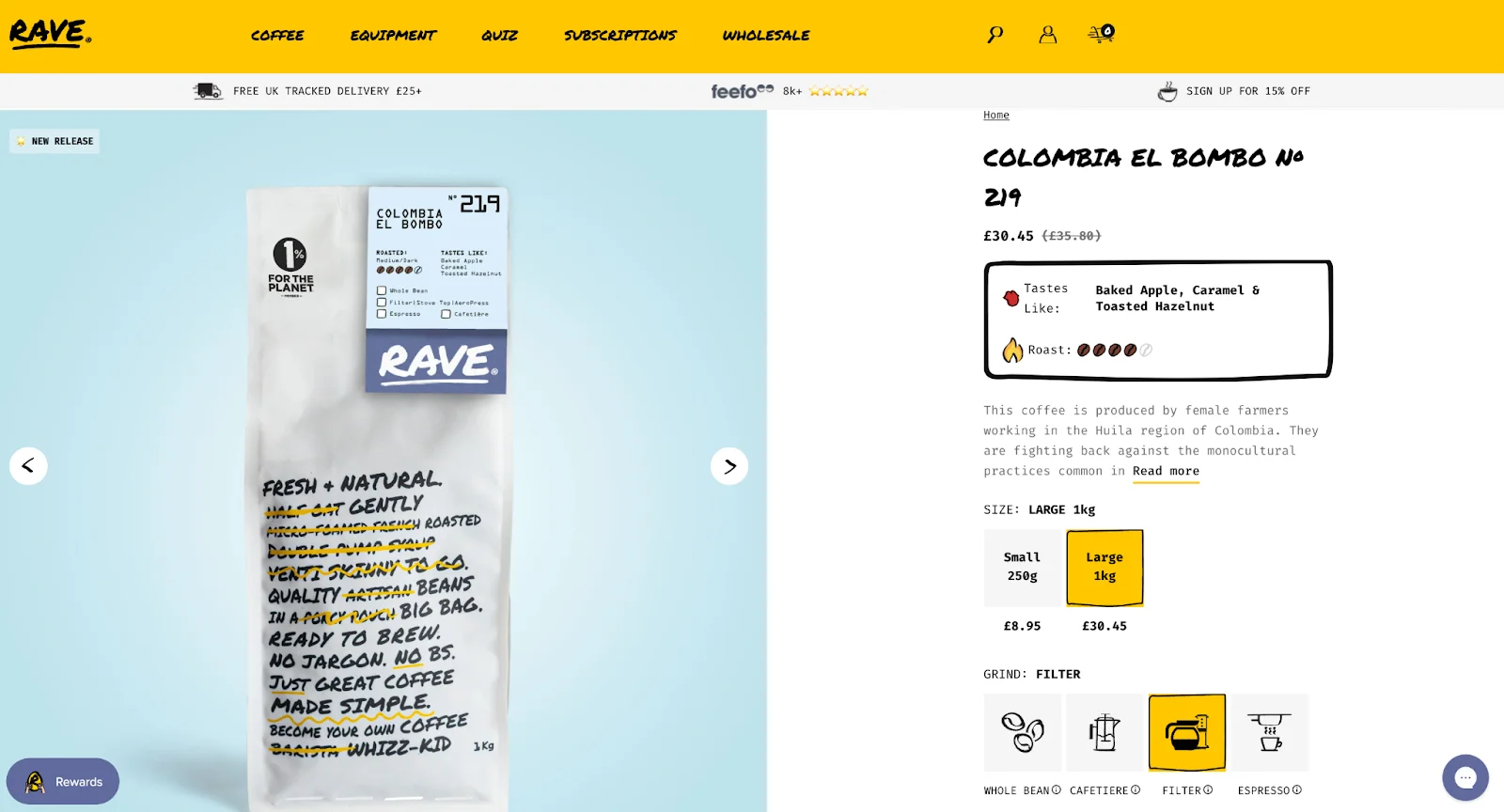
Rave Coffee provides a great example of brands that excel at humanized copy.
Here are some tips to get started:
Use a conversational tone that feels natural.
Favor active voice to make messages clear and engaging.
Include personal pronouns to speak directly to the shopper.
Inject humor and personality where appropriate.
Be clear and concise, avoiding confusion.
Skip jargon and technical terms to keep content accessible.
Implementing this CRO trend helps brands strengthen engagement, predict conversions, and improve the overall shopping experience.
8. Virtual shopping assistant
Shoppers can get distracted, confused, or need a gentle nudge during checkout. Leaving them stranded at these critical moments can cost conversions.
Assisted eCommerce helps guide customers through the buying journey, making shopping easier, faster, and more enjoyable, one of the key eCommerce CRO trends.
Brands can implement assistance in several ways:
Human customer service agents are available in real time.
AI chatbots that answer questions without interrupting the experience.
Virtual assistants that guide shoppers and provide hyper-personalized product recommendations.
For example, a health and wellness brand places helplines directly on its uncluttered checkout page, offering instant support via:
Phone calls
Chatbots
FAQ sections for self-assisted help
Using assisted shopping throughout the journey supports conversion rate optimization trends, keeps customers engaged, and helps predict conversions by reducing friction at critical points.
9. User-generated content
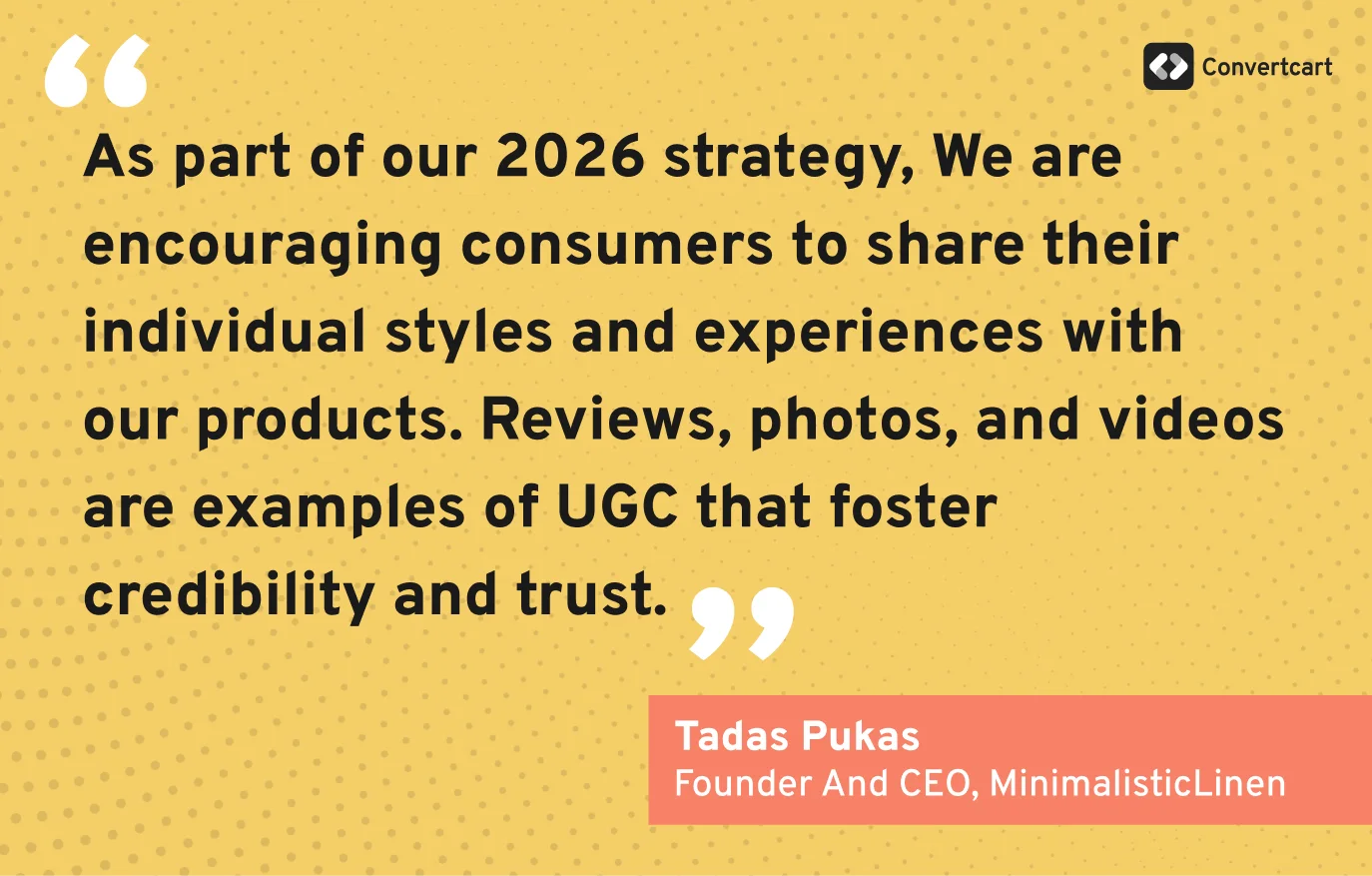
Younger generations like Gen Z and Gen Alpha value social responsibility and transparency. They prefer real experiences and honest reviews over polished marketing.
Leveraging user-generated content (UGC) has become one of the most effective eCommerce CRO trends for building trust and driving conversions.
Here’s how to make UGC work for your brand:
Make it easy to share: Provide a dedicated section on your website or encourage customers to post UGC on social media.
Promote UGC: Feature it on your website, social media, and other marketing channels to amplify its impact.
Use feedback to improve: UGC provides insights that can help enhance your products and services while increasing engagement.
Incorporating UGC into your strategy aligns with future developments in conversion rate optimization and helps brands predict conversions by creating authentic connections with shoppers.
10. Product discovery
Many consumers search for new queries each month, reflecting how quickly they discover new product types, brands, and features.
Supporting these searches has become an important eCommerce CRO trend.
70% of sites require users to match the exact product jargon used by the site
22% of websites don’t support color variation queries
60% of sites fail at thematic searches like “winter inners” or “pool chair”
84% of sites struggle with subjective qualifiers such as “expensive” or “best quality”
Brands like Lush optimize this by using tags on each product page to speed up the buying experience.
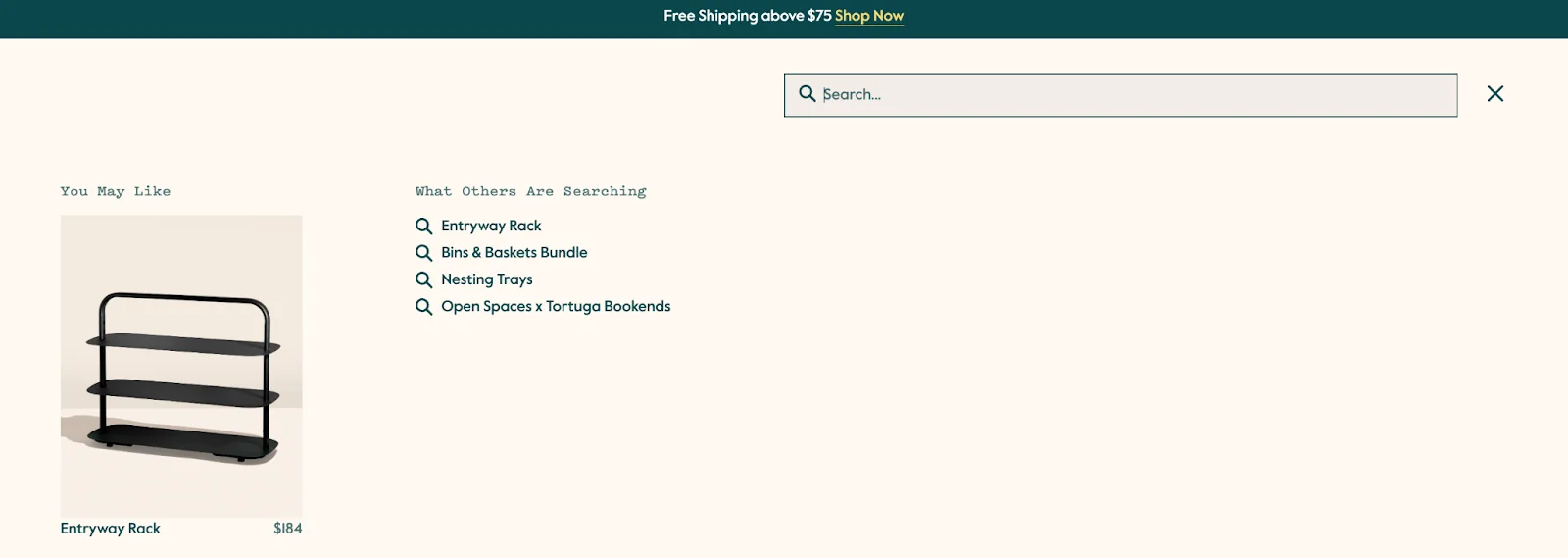
Predictive analytics is another powerful tool in this CRO trend. It helps anticipate customer needs based on past purchases, search history, and browsing behavior.
Open Spaces demonstrates this by delivering highly personalized recommendations, improving engagement, and helping predict conversions.
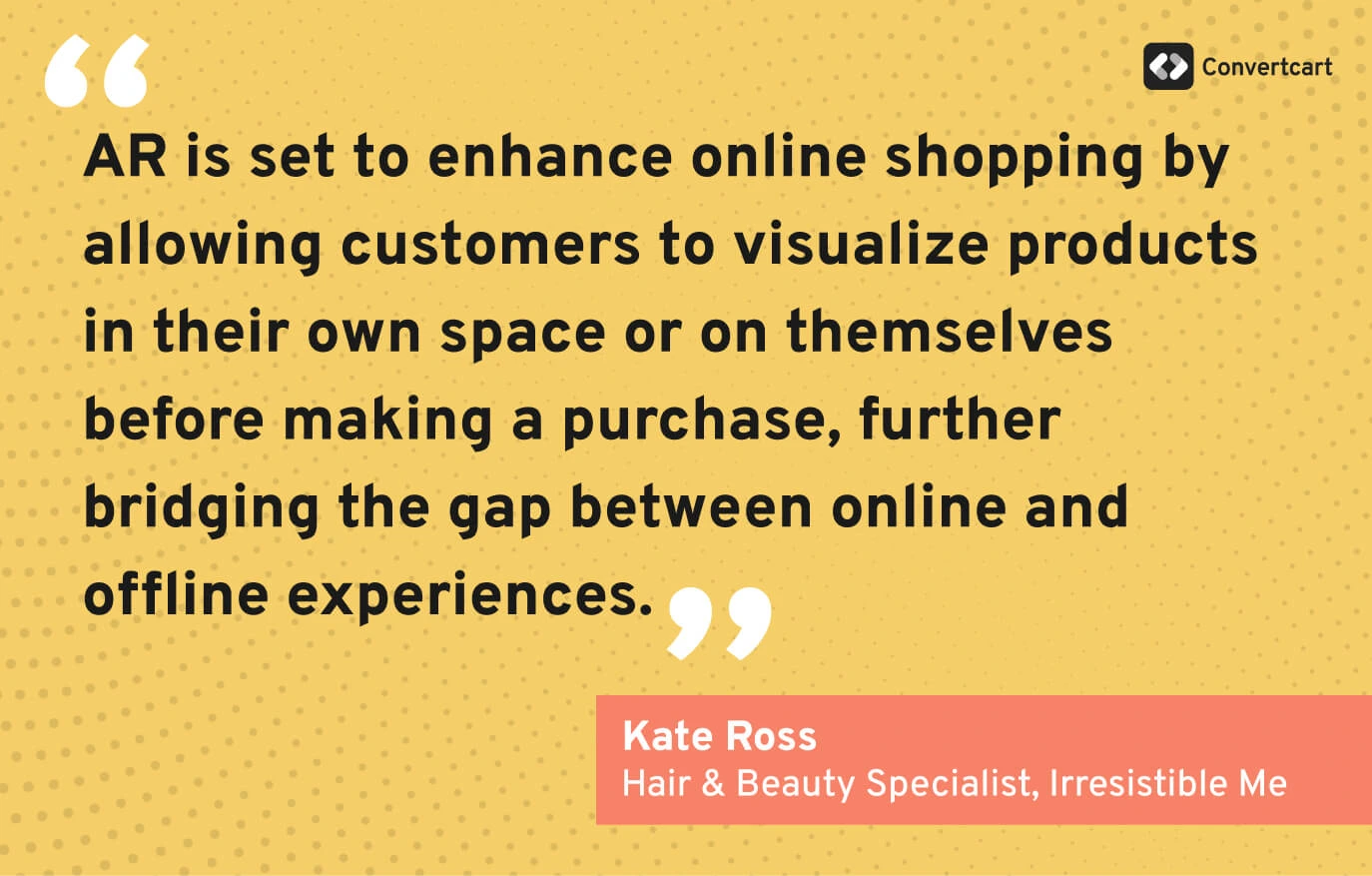
A report shows that customers using AR during their shopping session spend more time browsing and view more products than those who don’t.
This makes AR/VR technology a powerful eCommerce CRO trend for engagement and conversion.
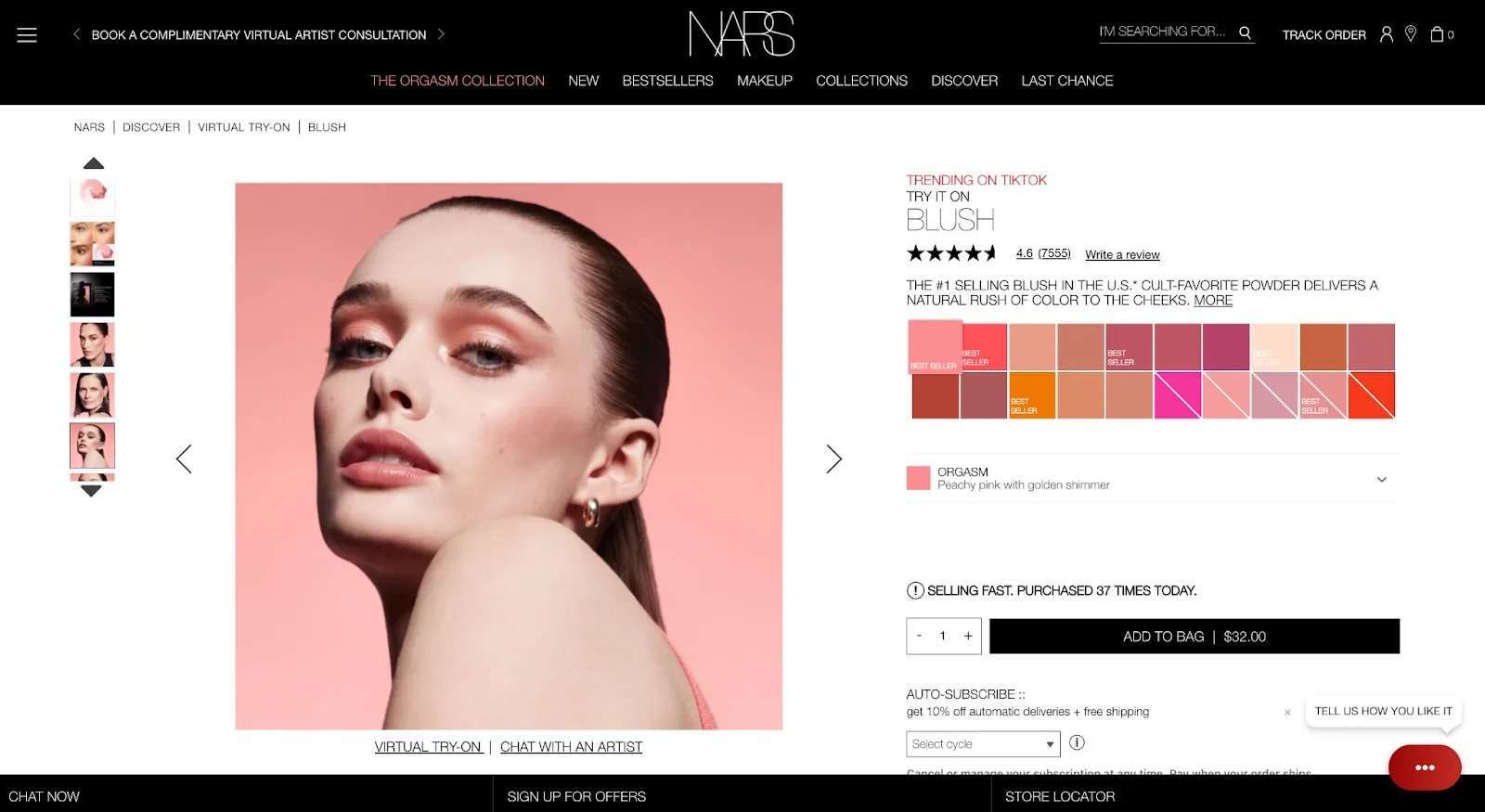
Brands like NARS showcase virtual try-on features directly on product pages, letting shoppers experience products more interactively.
Before adopting this CRO trend, it’s important to plan carefully:
Goals: Are you aiming for brand awareness, lead generation, or higher sales?
Budget: Will it come from your advertising budget, and what are the ongoing maintenance costs?
Placement: Will the AR/VR content appear on your website, mobile app, or in ads?
Context: How will users interact—virtual try-ons, social media engagement, or other experiences?
Duration: Will it be campaign-based or permanent on specific product pages?
Using AR/VR strategically aligns with future developments in conversion rate optimization and helps brands predict conversions by creating engaging, memorable experiences.
Hybrid commerce is an emerging e-commerce CRO trend that blurs the lines between online and offline shopping, creating a more integrated, customer-focused experience.
Even as online shopping grows, many customers still prefer trying products in-store or picking them up to avoid extra costs.
Facilitating a smooth transition between channels keeps the experience seamless.
Key ways to implement this CRO trend include:
Click-and-collect services
Curbside pickup options
Buy online, pick up in-store (BOPIS)
Allowing shoppers to move fluidly between digital and physical touchpoints supports conversion rate optimization trends while enhancing convenience and satisfaction, ultimately helping predict conversions.
13. Video marketing
Open your Instagram DMs and take a look at the videos you’ve received.
Chances are, many feature unique products or items that match your interests, maybe your favorite merch, or a trending product. This isn’t a coincidence.
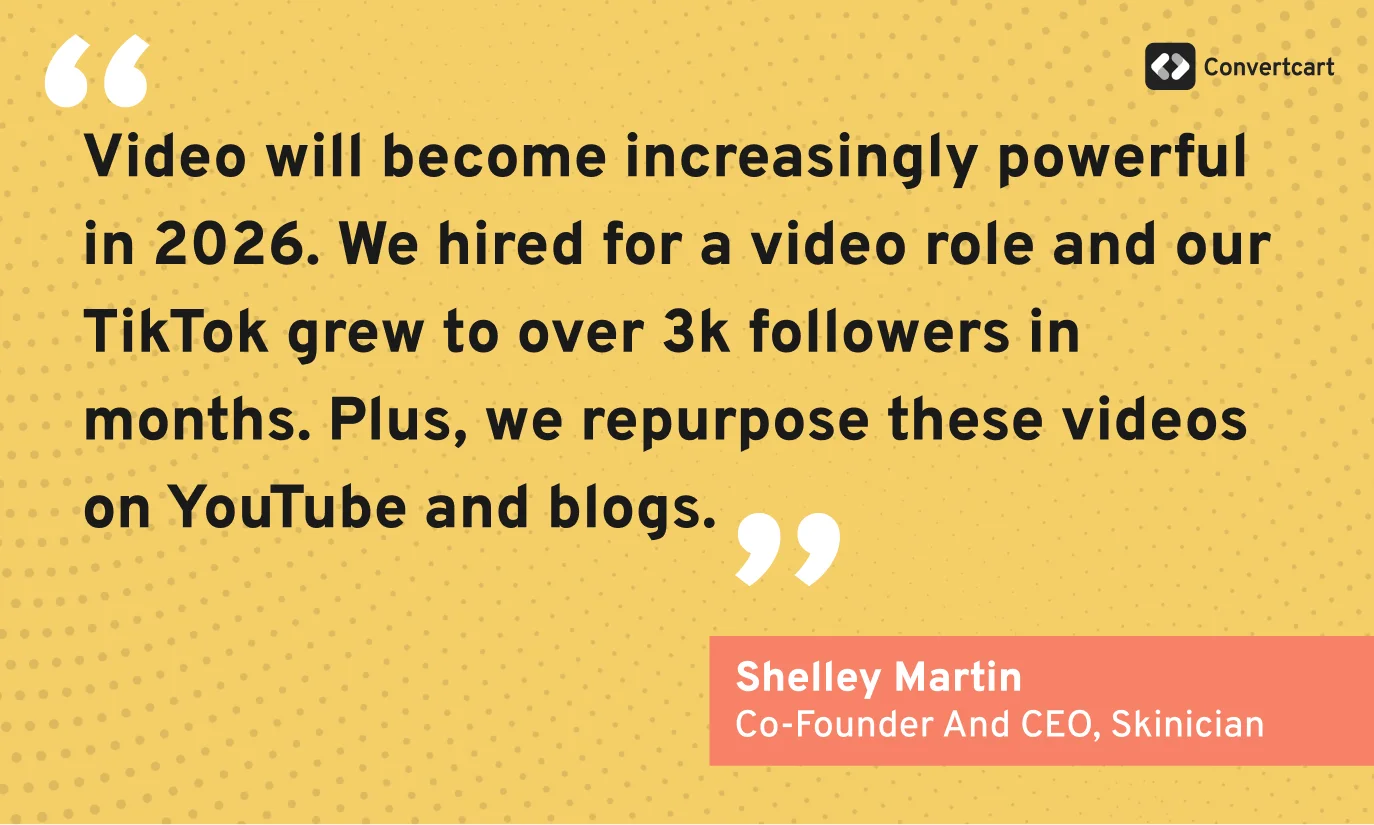
Video marketing has become a powerful eCommerce CRO trend, helping brands engage customers, showcase products, and drive conversions.
87% of marketers say video marketing has helped increase sales
89% of consumers say watching a video convinced them to buy a product
Videos offer a richer, more dynamic experience than static images or text, helping shoppers better understand products and improving the overall user experience.
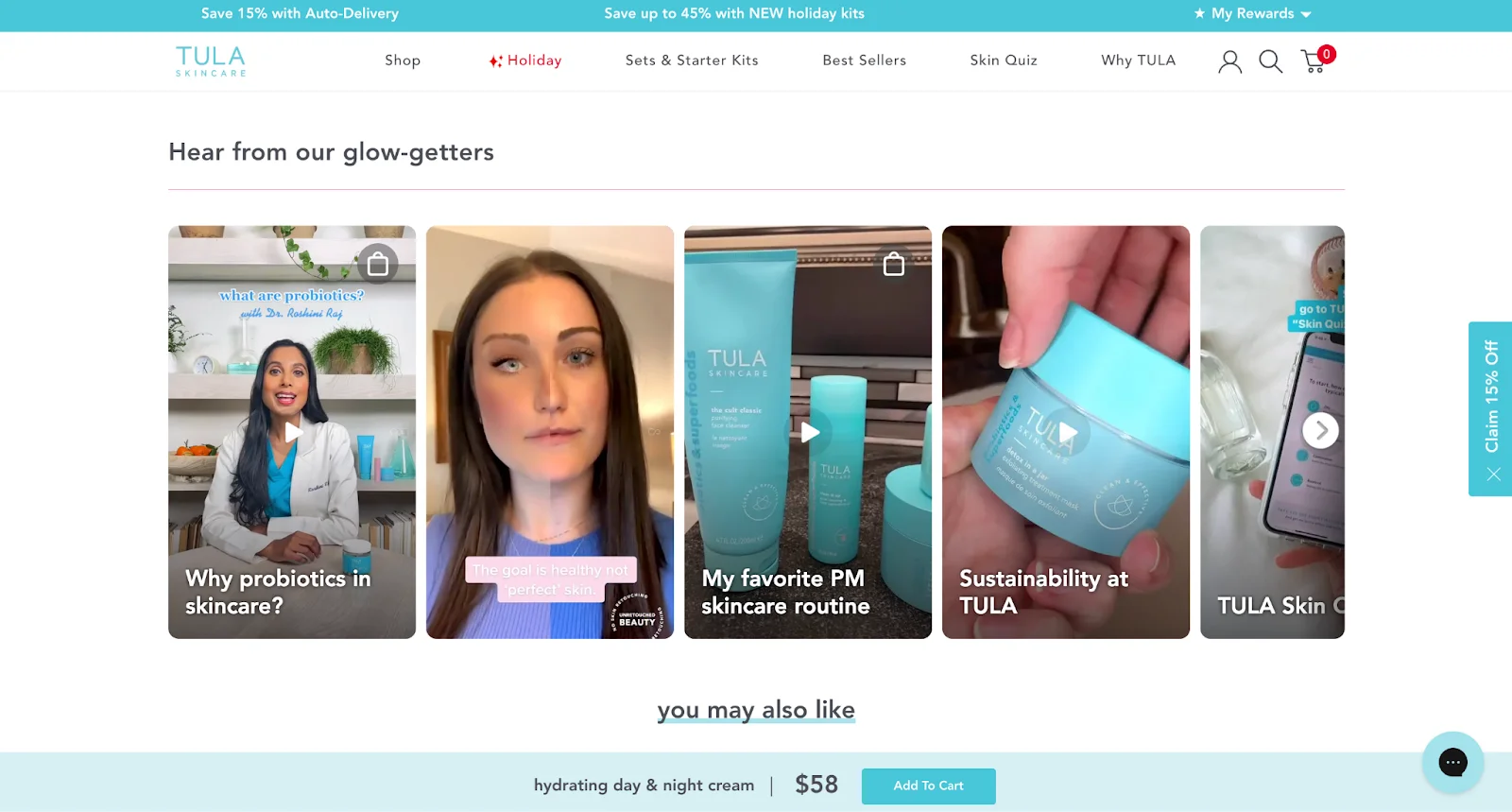
Tula, for example, uses product videos on its pages to establish authority and demonstrate product use.
Types of effective eCommerce videos:
Product demos: Show how a product works and its benefits, such as a smartphone demo highlighting camera features, selfies, and app usage.
How-to videos: Teach viewers how to use a product or solve a problem, like brewing the perfect cup with a new coffee maker.
14. Limited drops
Limited drops tap into the fear of missing out (FOMO), turning exclusive product releases into high-engagement moments. This eCommerce CRO trend encourages shoppers to act fast, boosting urgency and driving conversions.
Brands can leverage this trend by:
Announcing short-term product availability
Highlighting remaining stock or time left to buy
Offering early access to loyal customers or subscribers
Limited drops align with conversion rate optimization trends, helping predict conversions and increase purchase frequency by creating excitement and scarcity around products.
15. Influencer-led product ranges
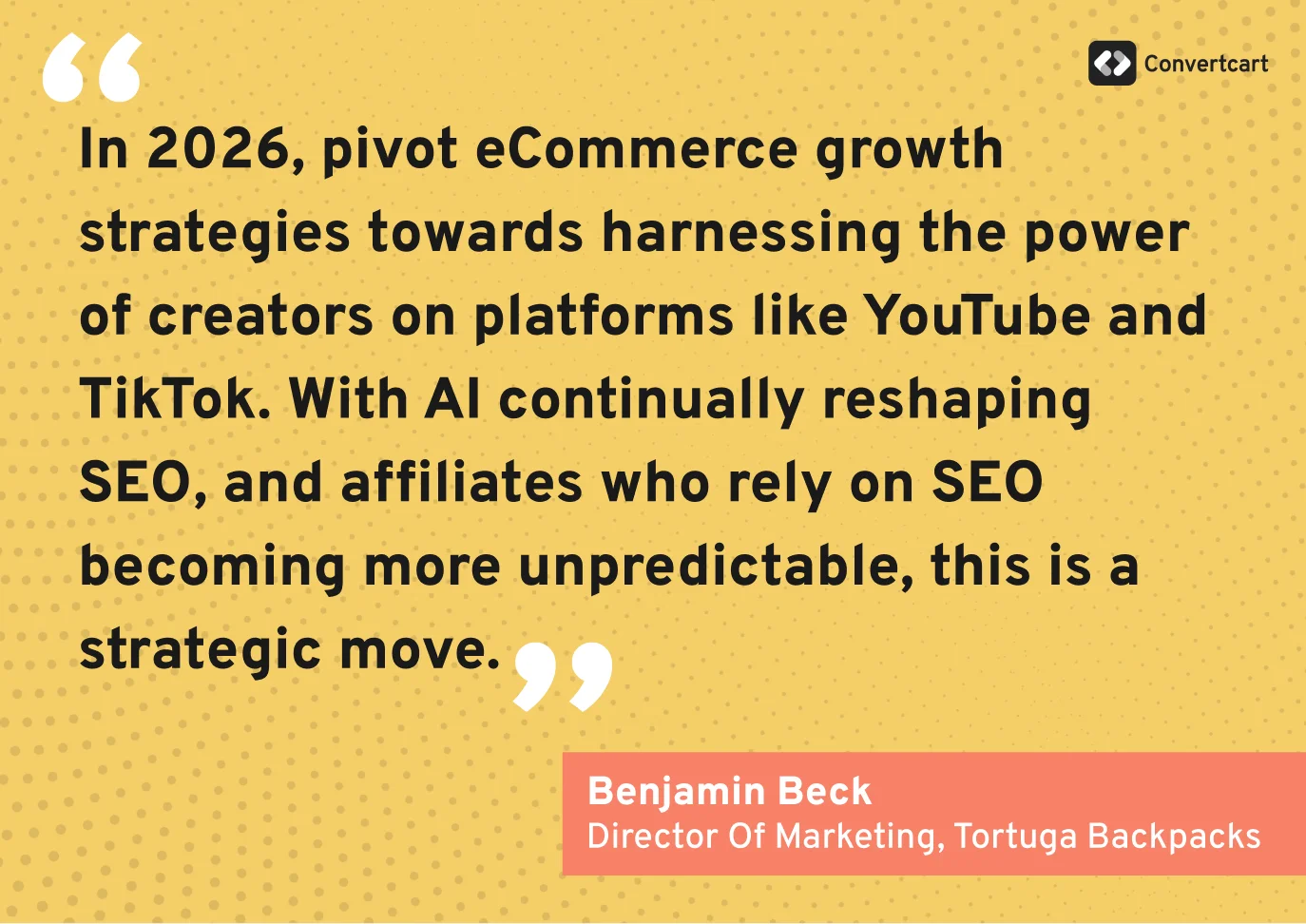
Influencer marketing continues to be a major force in eCommerce CRO trends. In the past year alone, it has grown into a $21.1 billion industry.
A recent survey shows marketers preferences for platforms:
Instagram: 72%
TikTok: 61%
YouTube: 58%
Facebook: 57%
Many brands (44%) favor collaborating with smaller influencers, citing higher engagement and lower costs.
To fully leverage this CRO trend, go beyond standard social media ads. Creative collaborations can strengthen engagement and drive conversions.
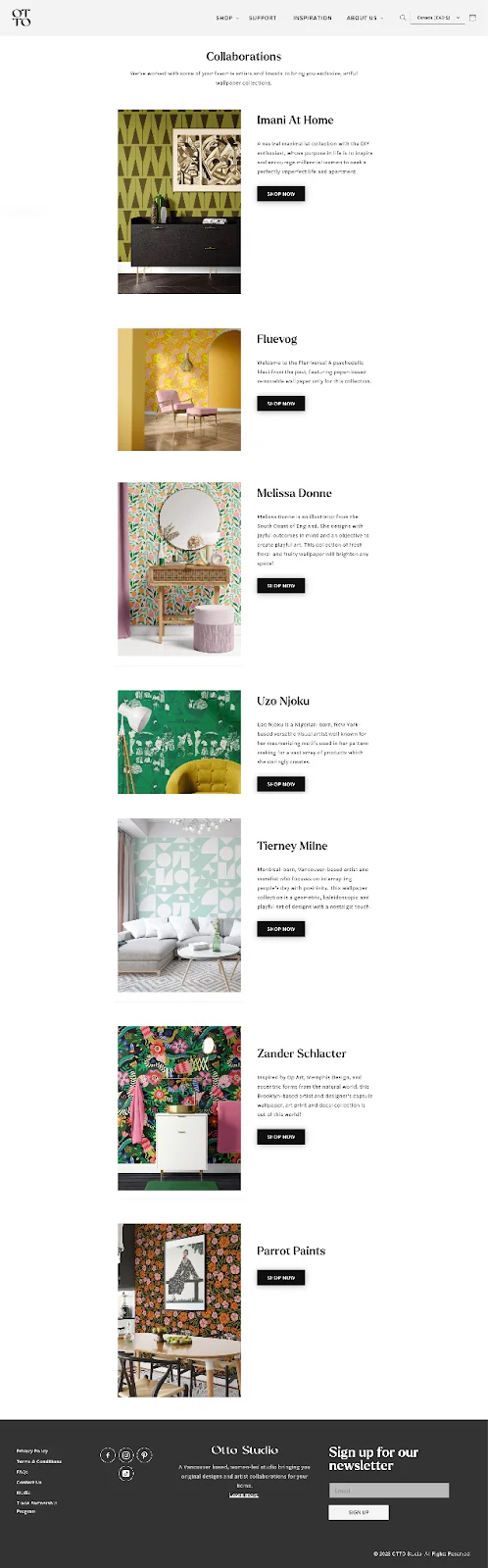
Otto Studio partners with influencers to co-create unique products.
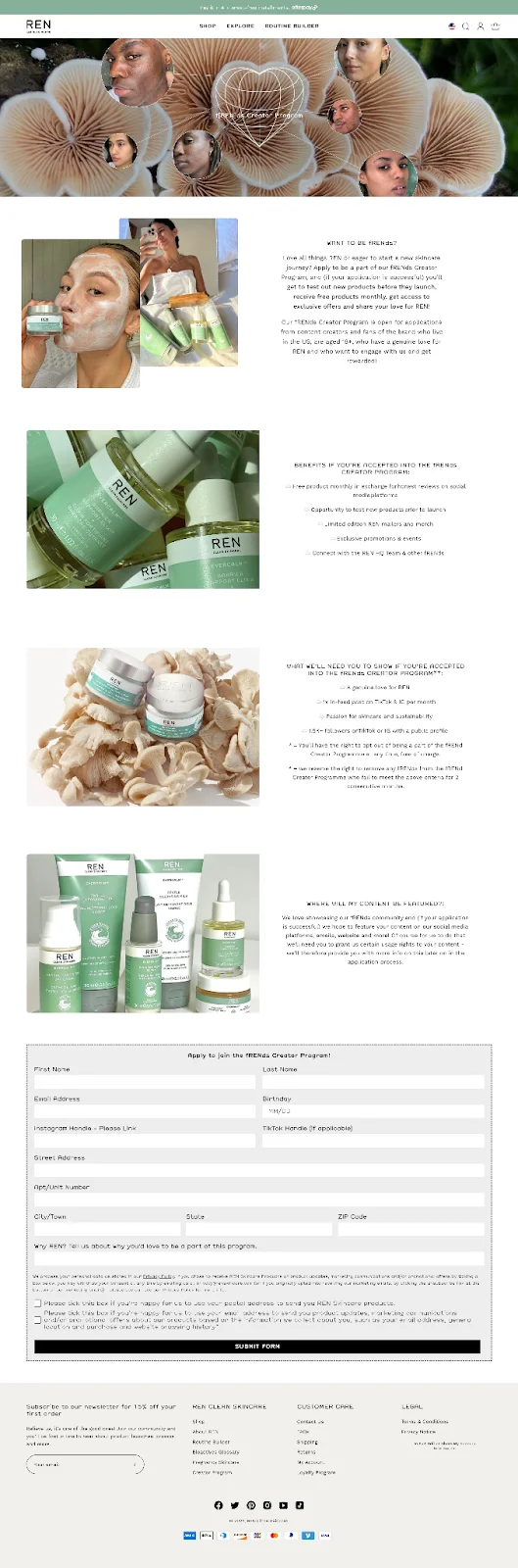
Furthermore, REN Clean Skincare invites content creators to test new products before launch, receive monthly free products, and access exclusive offers.
Incorporating influencer strategies aligns with conversion rate optimization trends and future developments in conversion rate optimization, helping brands reach target audiences authentically and predict conversions.
16. Sustainable commerce
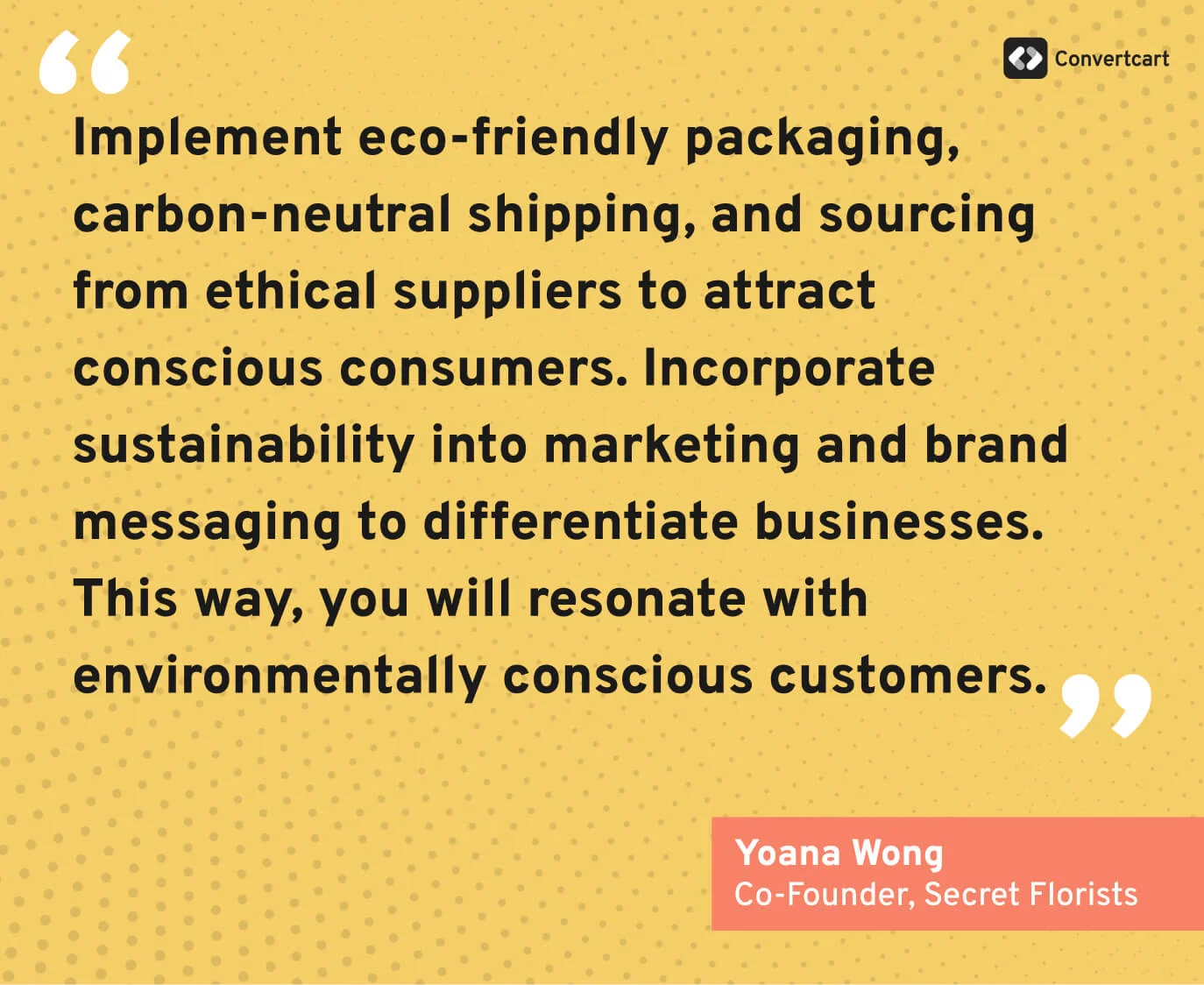
With global events shaping consumer priorities, many shoppers are turning toward conscious shopping, seeking brands that align with their values.
Highlighting your sustainability efforts and encouraging eco-friendly choices has become an important eCommerce CRO trend.
Communicating your commitment not only builds trust but also supports conversion rate optimization trends, helping shoppers feel confident in their purchases and fostering loyalty while predicting conversions through aligned values.
How to use CRO Trends to convert more sales
98% of visitors who visit a site, drop off without buying anything.
Why: user experience issues that cause friction for visitors.
And this is the problem ConvertCart solves.
We've helped 500+ eCommerce stores (in the US) improve user experience and 2X their conversions.
Contact our conversion experts to audit your site and skyrocket your eCommerce conversions
Subscribe for more articles like this!
Thank you - we'll see you in your inbox soon!
Oops! Something went wrong while submitting the form.
Read by 5000+ ecommerce store owners
Subscribe for more articles like this!
Thank you - we'll see you in your inbox soon!
Oops! Something went wrong while submitting the form.






.avif)
.svg)


.svg)

.svg)
.svg)
