In our experience, the fastest lever isn't a new loyalty program or a bigger discount. It's removing the friction that trips up shoppers who already trust you. For one client, three small on-site fixes, a more visible checkout button, a smarter product recommendation, and an easier way to browse photos, produced a 20% lift in repeat orders and 5,017 additional transactions.
Why do some shoppers buy once and vanish, while others keep coming back for more?
At Convertcart, we've spent years auditing eCommerce stores, and we've learned exactly which fixes bring shoppers back and which ones just look good on a slide.
Most stores chase repeat sales with loyalty points and birthday emails.
We moved a button, showed better products at the right moment, and made scrolling less annoying.
Together, those three small changes pushed repeat orders up 20% and added 5,017 extra transactions.
Key Takeaways
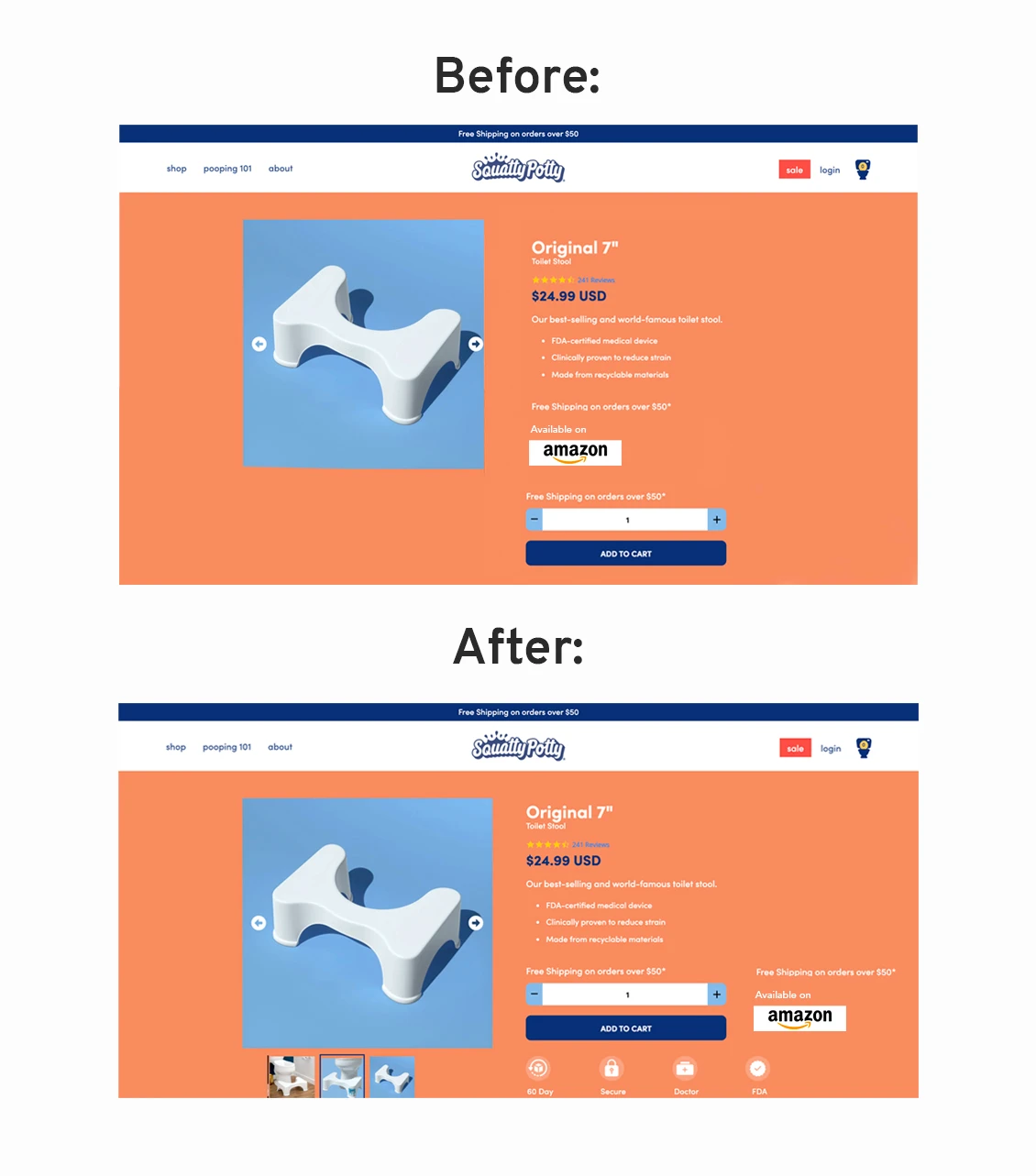
Moved the checkout CTA above the fold so shoppers could actually find it, lifting converting users 7% and adding 65 orders.
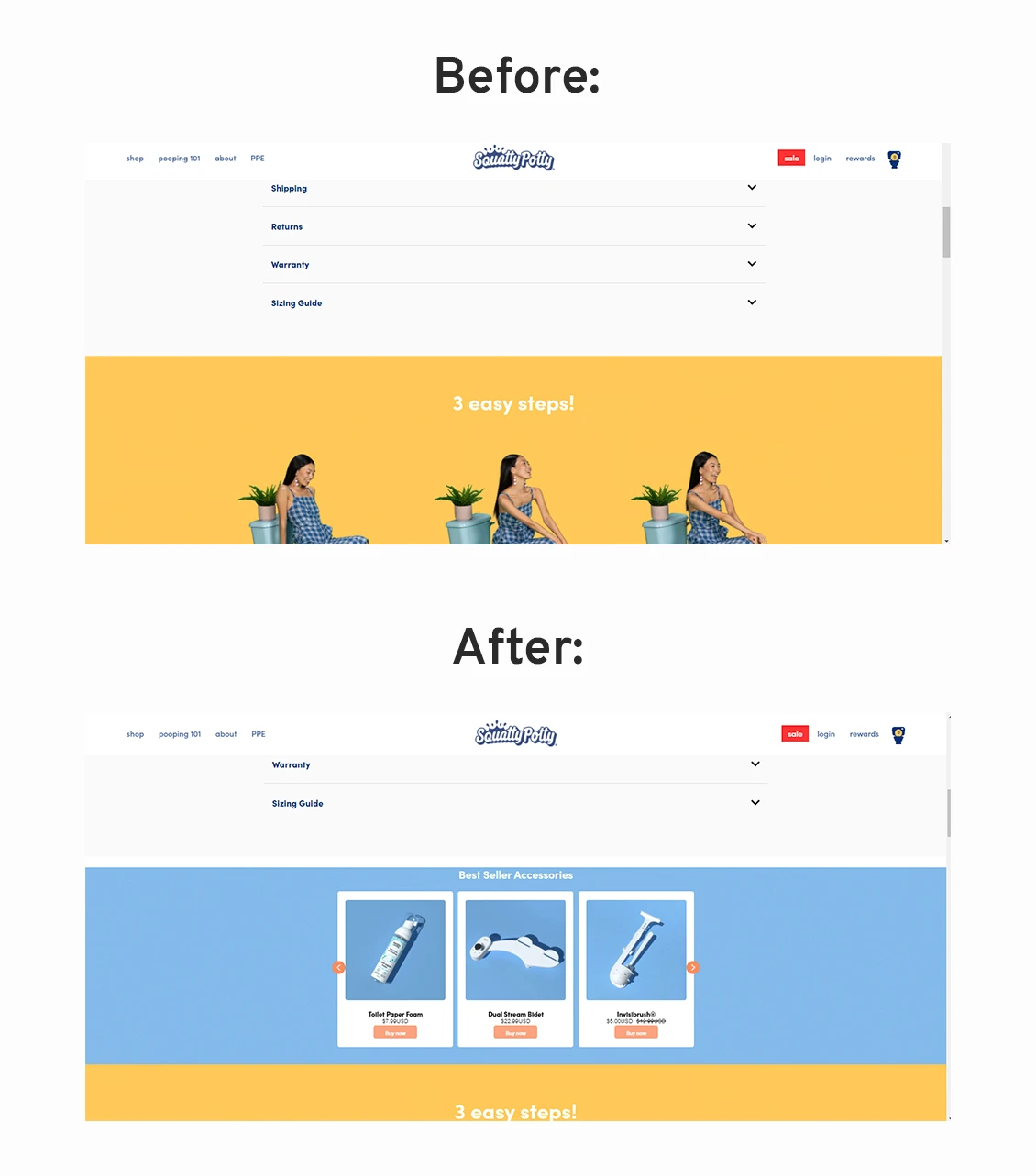
Added a personalized recommendation and upsell banner to the homepage so returning visitors saw what was popular instead of nothing, adding 1,795 transactions at a 12.36% ROI.
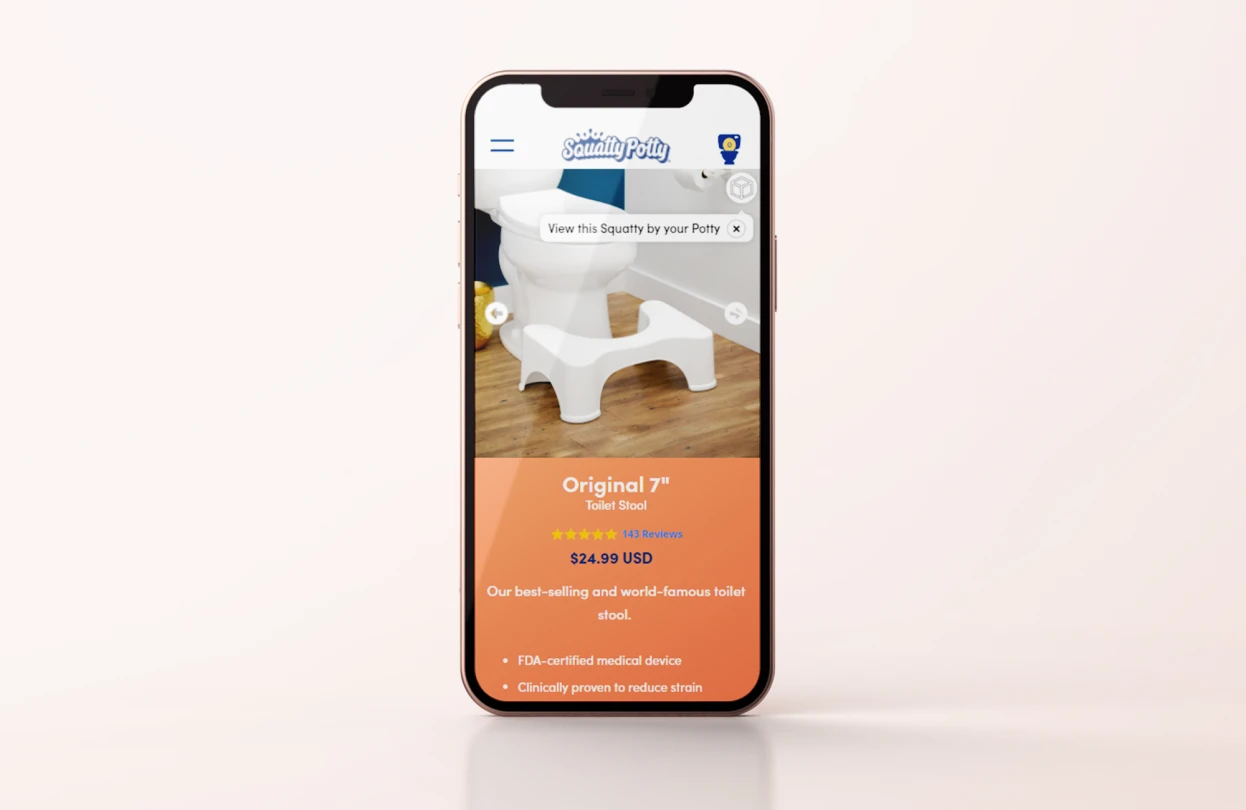
Replaced stacked product photos with a responsive carousel so mobile shoppers could compare views without extra scrolling, adding 60 transactions in 30 days.
Together, these three fixes lifted repeat orders 20% and added 5,017 extra transactions, without touching pricing, loyalty programs, or discounts.
The Result: A 20% Lift in Repeat Orders From Three Small Fixes
Let's start with the number, since that's the part everyone actually cares about. Across one audit and fix cycle, Squatty Potty added 5,017 extra transactions, and repeat orders climbed 20%.
A shinier loyalty program didn't do it, and neither did a steeper discount. We made three specific, almost boring fixes instead.
We moved the checkout button to a spot shoppers could actually find, since they'd been browsing without adding anything to their cart.
The homepage got a rework too, once our analysis showed shoppers drifting away with nothing pulling them back.
And product photos got easier to flip through, after we noticed scroll friction was quietly costing us browsers who wanted a closer look.
Boring fixes get skipped in favor of flashier ideas all the time. That's exactly why they still worked so well here. Nobody else was bothering to fix them.
Where Repeat Customers Actually Dropped Off
Squatty Potty's core problem was familiar enough. Shoppers were dropping off before checkout, and average cart size stayed low. The interesting part was why it kept happening.
Our analysis showed visitors landing on a product page, wandering over to the homepage, and never coming back.
The homepage wasn't yet surfacing what was popular, so the moment a shopper left the product page, they lost the thread completely.
That pattern hinted at something bigger about repeat shoppers generally. They already trusted the brand enough to return, so they didn't need another reason to believe in it.
What they needed was an obvious path back to the thing they already wanted, and missing it meant losing them, no matter how good the loyalty program looked on paper.
The Checkout Fix That Increased Repeat Orders by 20%
On Squatty Potty's product page, shoppers were browsing without adding anything to their cart. That wasn't a case of low interest.
The page had all the right ingredients. We just saw an opportunity to arrange them for how shoppers actually scanned the page, a pattern common across plenty of respected product pages, not just this one.
What We Changed and Why
We could see shoppers losing track of the add-to-cart button the moment they had to scroll for it, so we shifted the CTA above the fold and aligned it horizontally with the buttons around it instead of stacking everything vertically.
We also grouped the actions together so a shopper's eye had one obvious place to land. The fix didn't involve new copy or a discount.
It just made an existing button easier to find, and converting users rose 7% as a result, with 65 additional orders and a 12.36% ROI on the campaign.
The Homepage Fix: Personalized Recommendations and Upsell Nudges
We noticed the homepage wasn't yet doing enough to guide a returning visitor.
Shoppers drifted off the product page, landed on the homepage, and found nothing pulling them back in, which is why we built a banner of personalized product recommendations alongside an upsell nudge for best-selling accessories.
Shoppers needed a reason to stay once they landed on the homepage, and that single campaign produced 1,795 additional transactions at a 12.36% ROI.
The Browsing Fix: A Carousel Built for Repeat Shoppers
Product photos, it turned out, sat stacked one below another, adding scroll friction every time someone wanted to compare views.
That's what led us to replace the layout with a responsive carousel.
Shoppers browsing on mobile needed a faster way to see the product from every angle, and it generated 60 additional transactions in 30 days, plus a 6.13% ROI.
What We Didn't Test
Worth being honest about something here. The 20% lift and the 5,017 transactions trace back to the three fixes we measured directly on this store.
Nothing below comes from that same test, and it shouldn't be read as if it did.
That's the story of one store, one funnel, and three specific fixes. The pattern underneath it isn't unique to Squatty Potty, though, and it shows up in almost every repeat-sales audit we run.
What follows is the broader playbook behind those fixes, built from patterns we see across hundreds of stores and pulled together with examples from brands doing this well right now.
⚠️
Find out what's stopping your store visitors from buying
Product discovery – barriers that prevent shoppers from finding items
Category/collection pages – improvements that drive deeper product exploration
Product page – what to optimize to convert 2–3x more buyers
Cart – ways to ease hesitation and speed up purchase decisions
“The report was deep and super insightful. Can’t believe it’s free.”
Logan Christopher CEO, Empire Herbs
The Repeat-Sales Playbook: What to Build Once Checkout Works
Once shoppers can get through checkout without a fight, a few more fixes tend to compound on top of it, though rarely on their own.
A great recommendation banner does nothing on a page that's already lost the sale, but once you close that exit, everything after it starts to count.
Show Repeat Shoppers You Already Know What They Want
Personalization earns its keep here more than almost anything else, provided it's specific rather than generic.
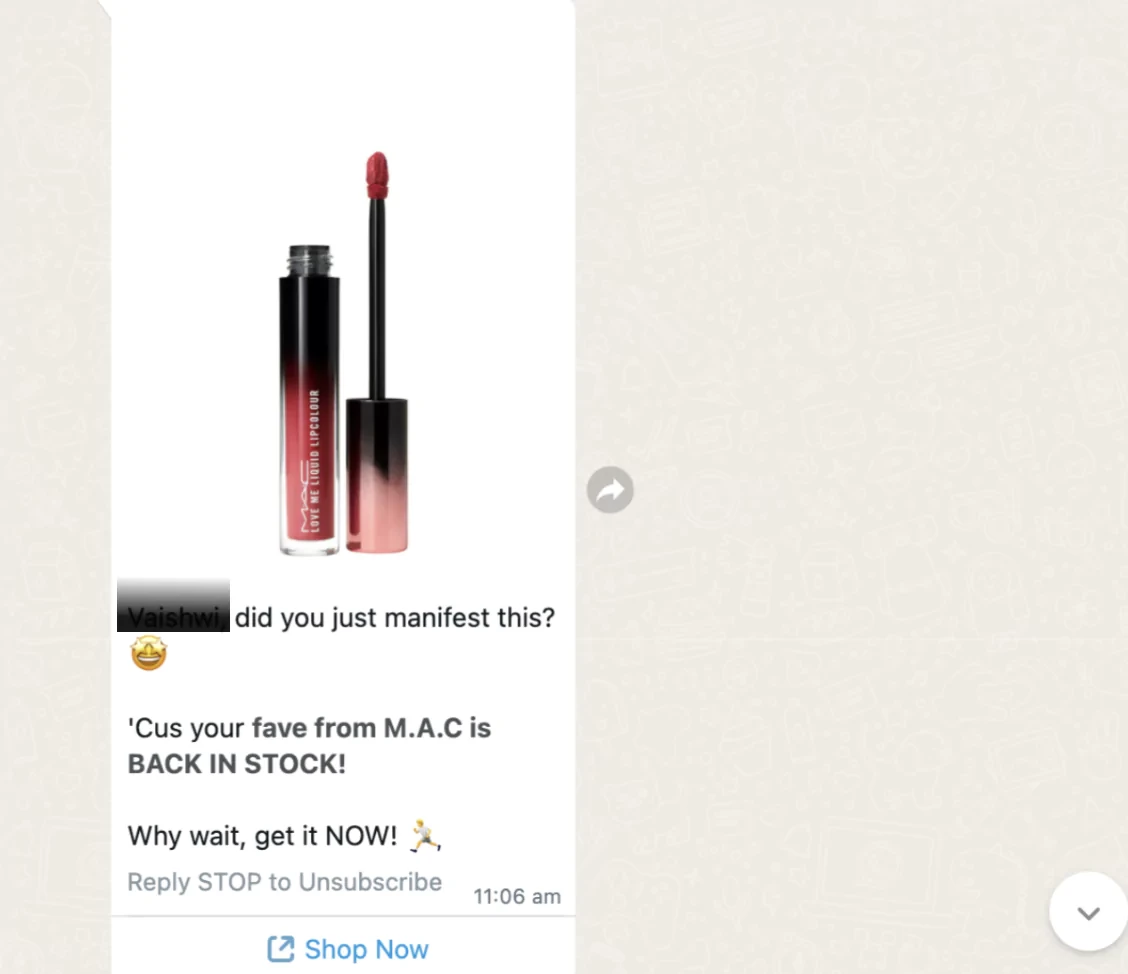
Tira sends a WhatsApp nudge the moment a previously viewed product comes back in stock, a small message that quietly does a lot of work.
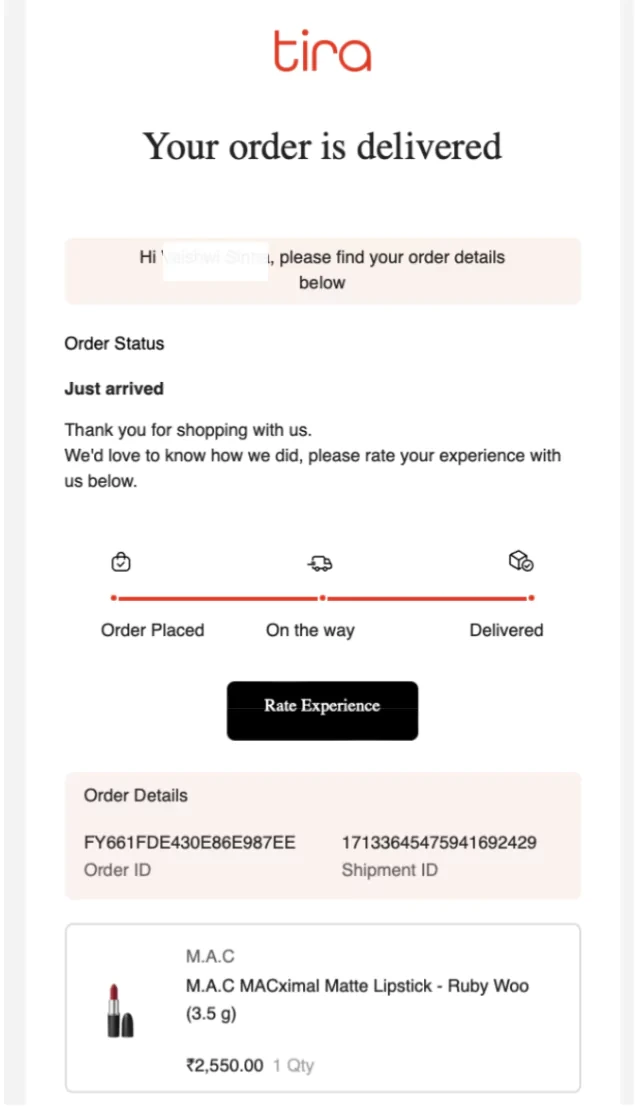
Feedback requests work on a similar idea. Ask a shopper how their order went right after delivery, and you get a useful signal plus a reason for them to open your email again.
Tira does this well, pairing a delivery confirmation with a one-tap rating request instead of a separate, easy-to-ignore survey email. In our audits, that small combination alone often nudges someone back to the site within days.
Make Repeat Purchases Painfully Easy
Some of the biggest wins in repeat sales have nothing to do with persuasion. They're just friction removal. Save a shopper's shipping details so they never retype them.
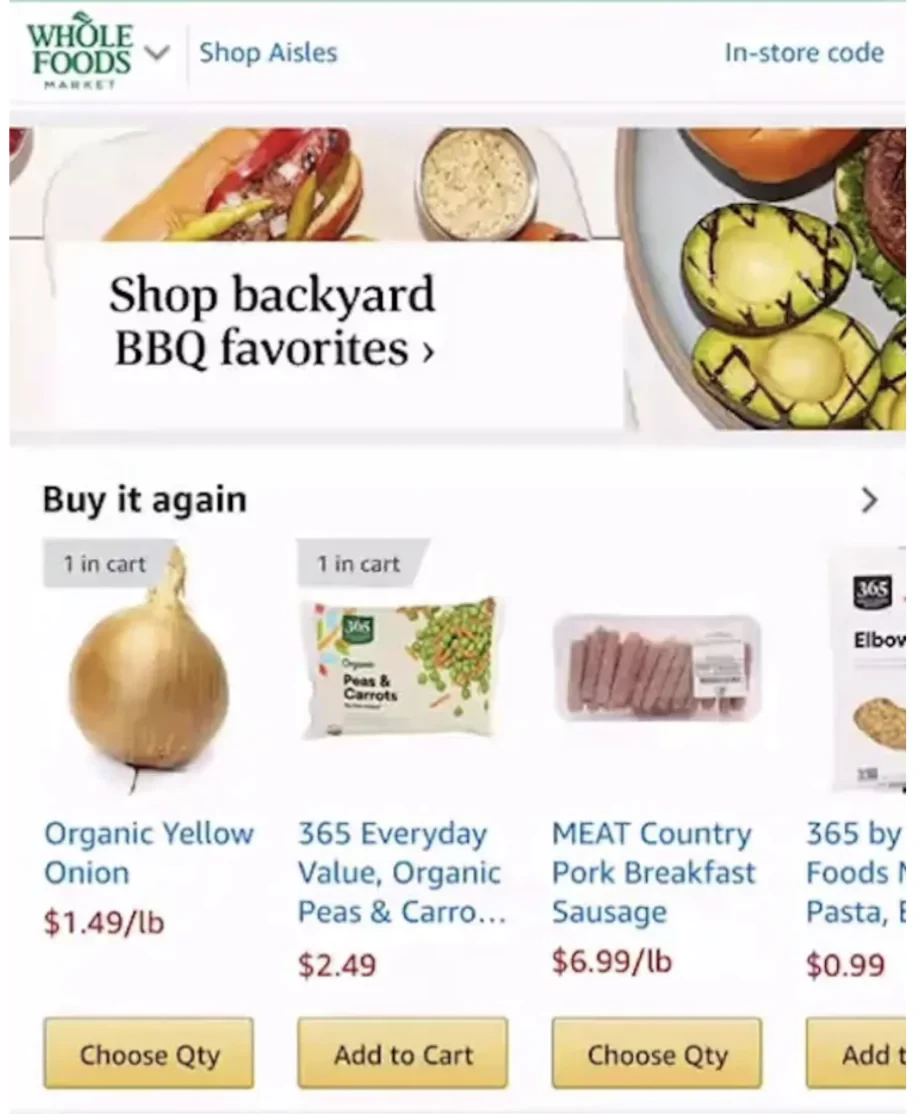
A Buy It Again section on the homepage works well for anyone who has ordered before, and a proper wishlist takes it further still, letting shoppers save things for later instead of losing them entirely.
Whole Foods puts its own reorder shelf front and center, right under the day's promotions, so a shopper never has to search for something they've already decided they like.
Support every major payment method too, since a missing option at checkout is still one of the easiest ways to lose a sale you'd already won.
A fresher nav bar helps as well. Everlane puts New Arrivals first, which sounds almost too simple to matter, and yet it gives returning shoppers the shortest possible route back to something new.
Fast, human customer support matters here too. When something goes wrong with an order, how quickly and clearly you fix it often decides whether that customer ever buys from you again.
Give Repeat Customers an Actual Reason to Come Back
Not every fix needs to be invisible. Sometimes the honest move is simply giving shoppers a reason to return.
A discount on the next order works fine as long as you mention it more than once, on the confirmation page, in the delivery email, and again a few weeks later if nothing happens.
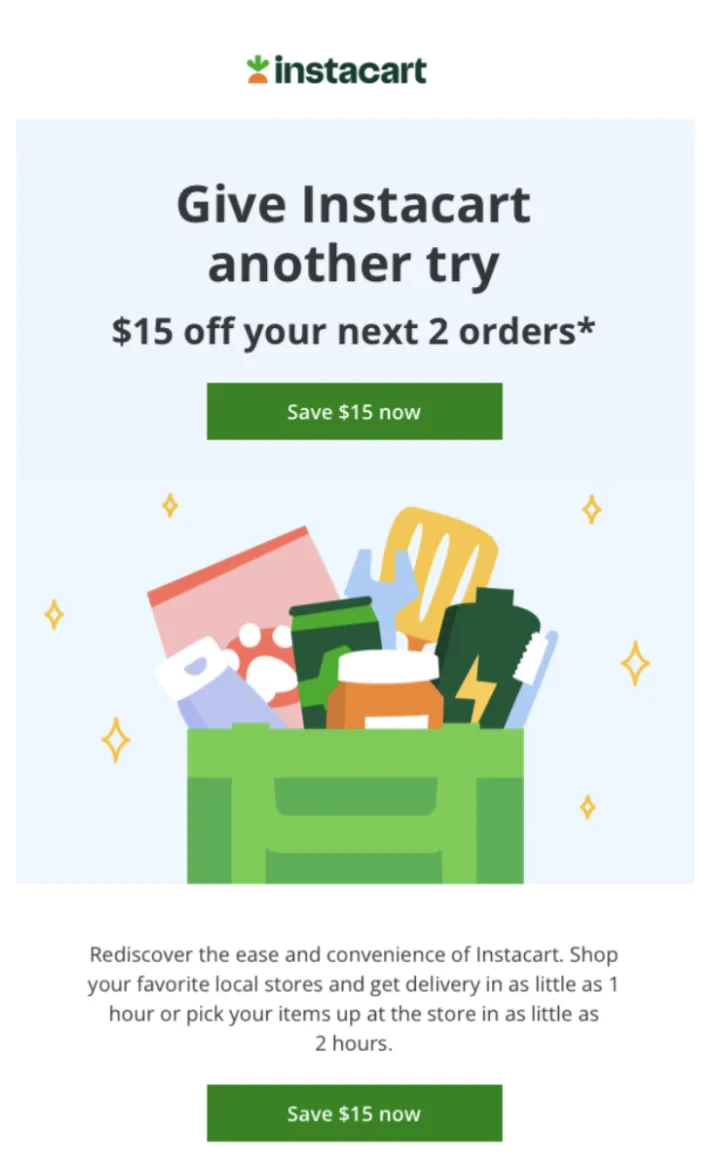
Instacart leans on this hard with lapsed users, pairing a flat dollar discount with a reminder of how convenient the service actually is.
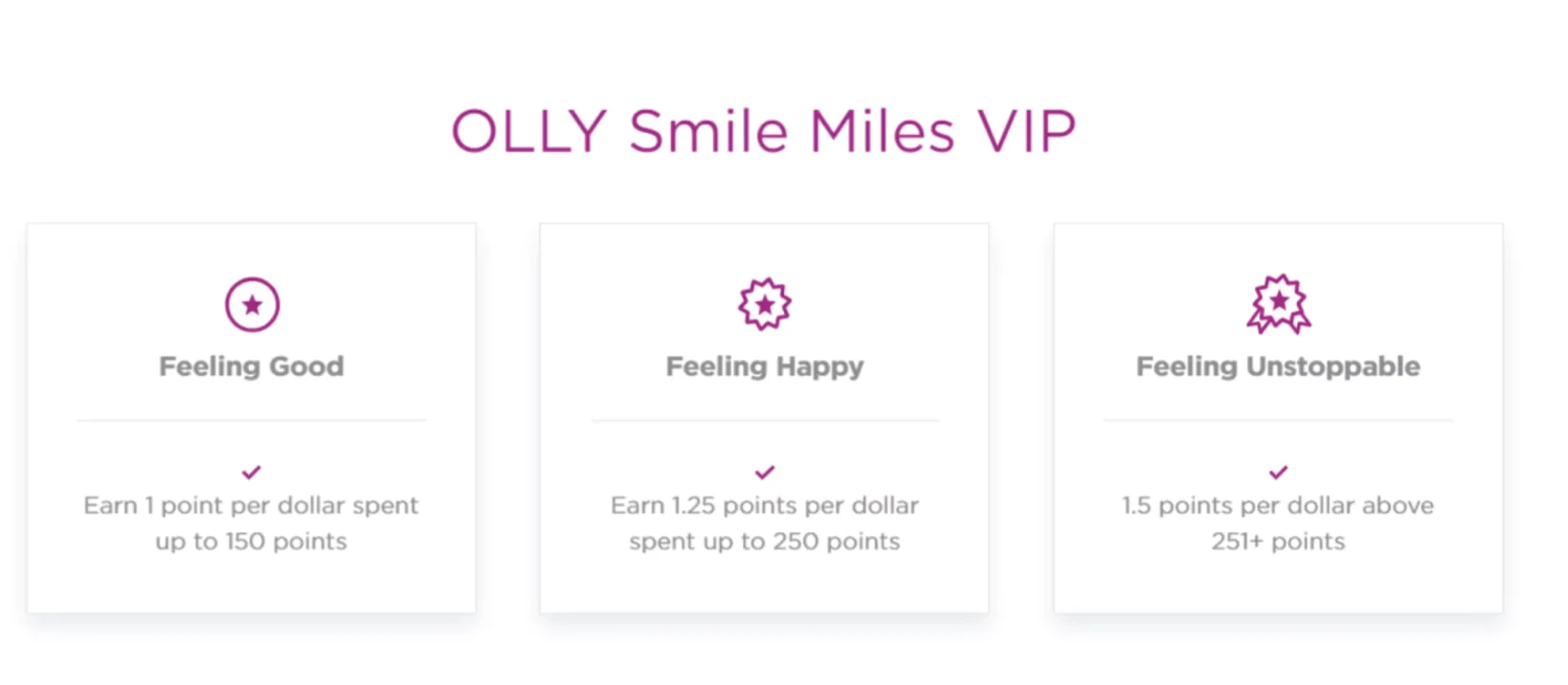
Loyalty programs tend to be the most reliable lever of the bunch, mostly because they reward more than just purchases.
Olly gives shoppers points for buying, but also for creating an account, leaving a review, or simply following the brand on social media, which keeps the relationship warm even between orders.
Occasion-based offers work on the same principle. A birthday coupon or an early access drop taps into something shoppers already expect from brands they like.
Subscriptions go further still, turning a single purchase into an ongoing habit, provided you let people skip a delivery or swap products without a fight, the way Bold Socks does with its monthly drops.
Gamified discounts sound gimmicky and often convert better than a flat banner anyway.
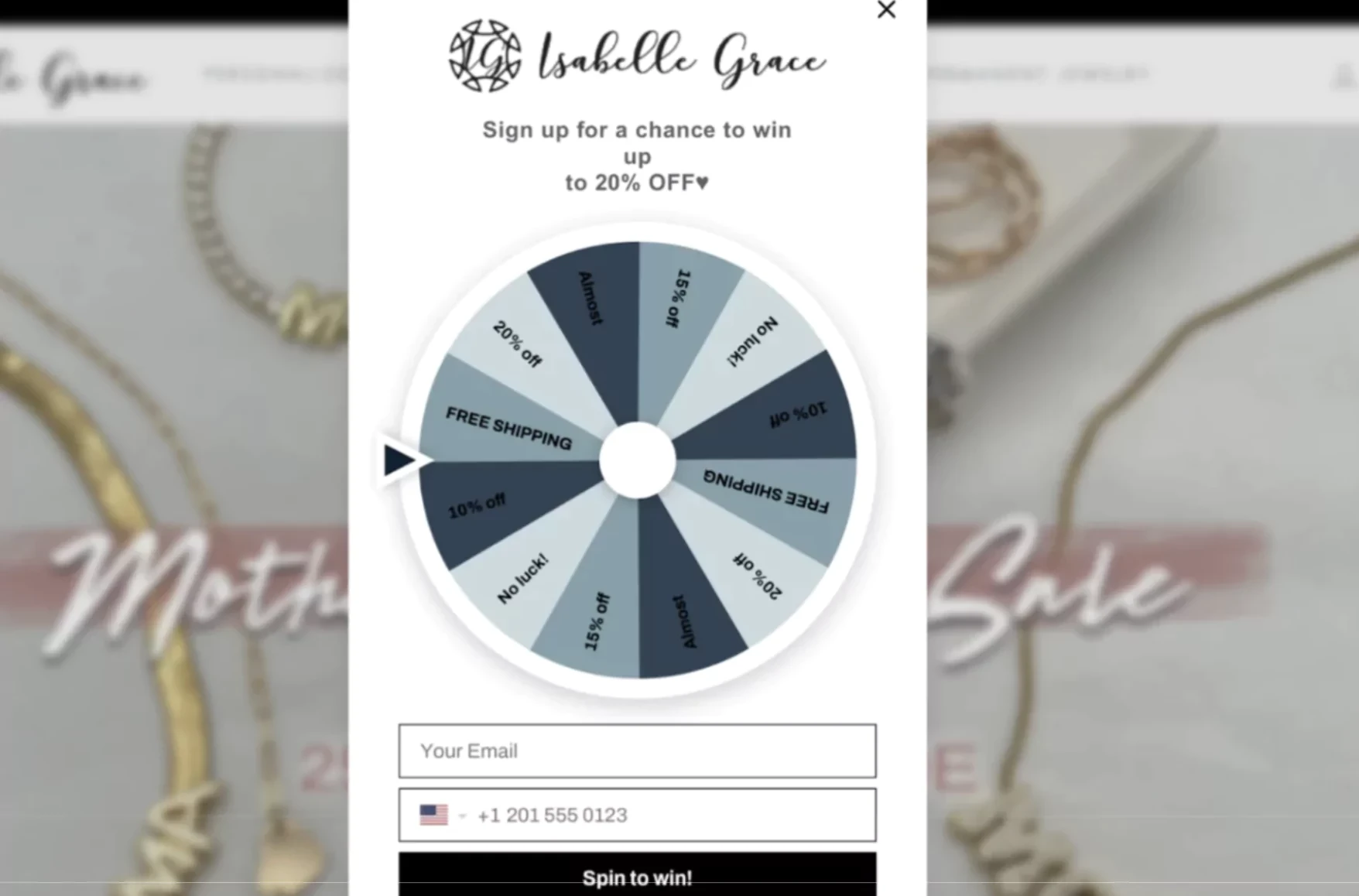
Isabelle Grace uses a spin-the-wheel popup instead of a plain 15% off message, and the same discount somehow feels like a win instead of a coupon.
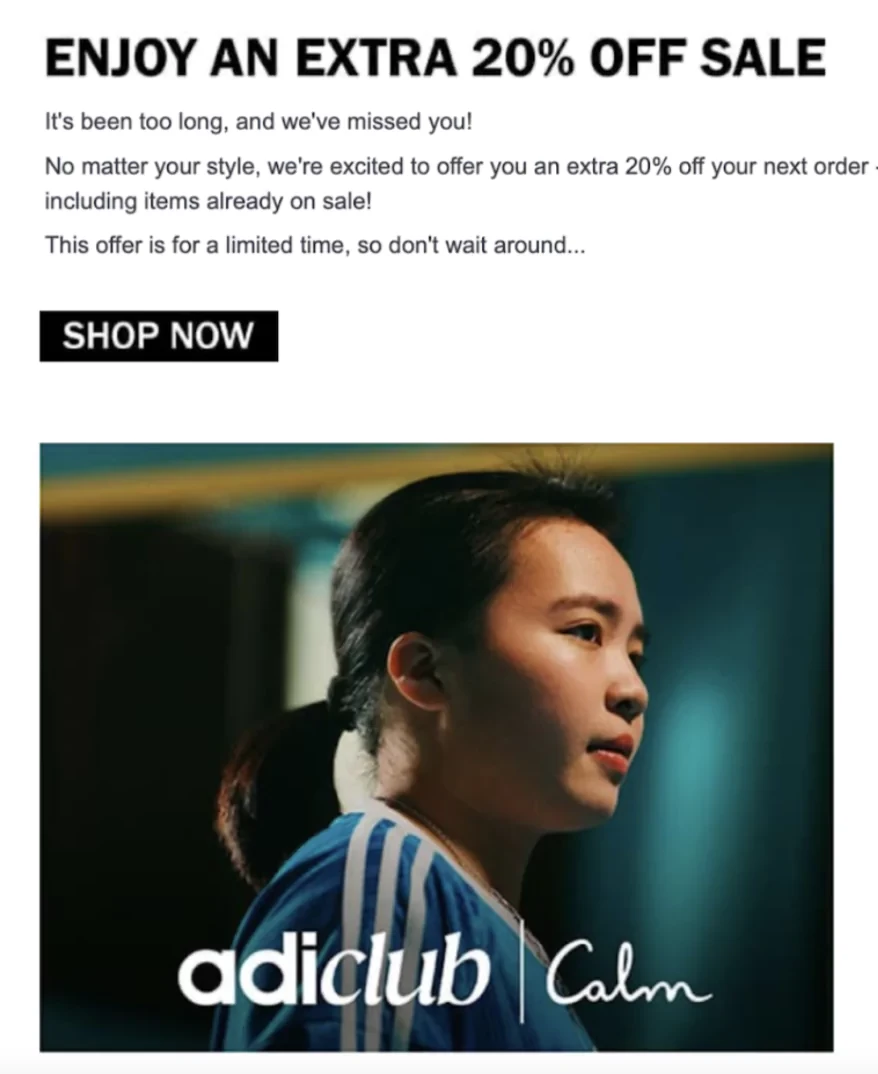
And if a shopper has gone quiet for a few months, a short win-back coupon usually costs less than acquiring someone brand new.
Adidas sends exactly this kind of message once a customer has been away too long, pairing the discount with a warmer, more personal tone than its usual promotional emails.
Flash sales deserve a mention too, mostly as a caution. They work, but only if you use them sparingly.
Run them constantly, and shoppers stop believing the urgency at all.
Tira's countdown built into a beauty sale email is a decent template: specific, genuinely time-limited, and honest about when it actually ends.
Product discovery – barriers that prevent shoppers from finding items
Category/collection pages – improvements that drive deeper product exploration
Product page – what to optimize to convert 2–3x more buyers
Cart – ways to ease hesitation and speed up purchase decisions
“The report was deep and super insightful. Can’t believe it’s free.”
Logan Christopher CEO, Empire Herbs
Make Repeat Customers Feel Like Insiders
People stick with brands that make them feel like they belong to something, not just a mailing list.
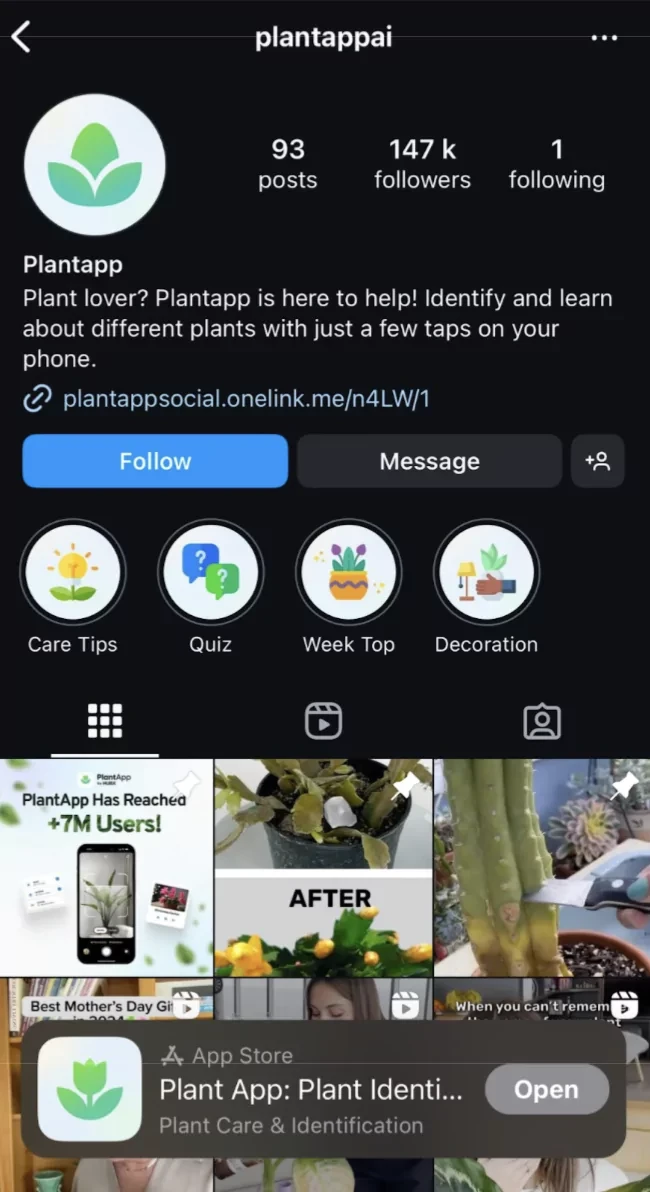
PlantApp treats its Instagram bio as a direct line to app installs, and it works because the app itself becomes the reason to stay engaged.
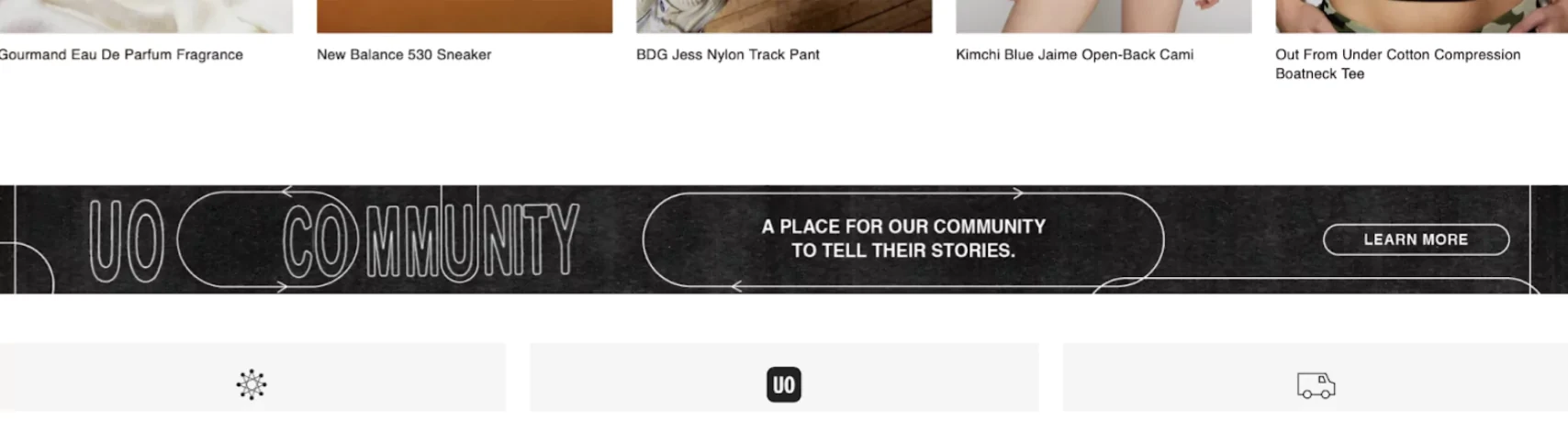
Urban Outfitters gives its community an actual homepage placement instead of burying it in the footer, which tells shoppers the community is part of the brand rather than an afterthought bolted on for engagement metrics.
It doesn't need to be complicated. A well-timed newsletter, a customer photo featured on the homepage, or a refreshed first fold every few weeks all send the same message: there's always something new here worth checking.
How to Audit Your Own Store for Repeat Sale Friction
None of this required a redesign, a new platform, or six months of roadmap arguments.
It just took a hard look at the handful of moments where a shopper who already liked the brand almost walked away anyway, then closing those moments one at a time.
That's the whole trick behind repeat sales. Give people fewer excuses to leave, and loving the brand more tends to take care of itself.
We take full ownership of the conversion side of a client's store.
That means product discovery like search and recommendations, and site optimization through UI and A/B testing; the CTA fix above is a good example of that.
It also means analytics that catch the exact kind of drop-off we found on the homepage, and trust-building elements like reviews and exit-intent messaging.
A dedicated pod runs the whole thing: a project manager, a data analyst, developers, designers, and QA, so you barely have to lift a finger yourself.
We build our own technology instead of stitching together third-party tools, which means the people building it are the same people responsible for your results.
A repeat customer is anyone who buys from your store more than once, regardless of how much time passes between orders.
Some brands narrow the definition further and only count purchases made within a set window, say twelve months, since a customer who buys once and vanishes for three years behaves more like a new customer than a loyal one.
For most eCommerce stores, though, the simple version works fine: two or more completed orders make someone a repeat customer.
How Do You Calculate a Repeat Purchase Rate?
Divide the number of customers who bought more than once in a given period by your total number of unique customers in that same period, then multiply by 100 to get a percentage.
Say 1,000 people bought from your store in a quarter, and 250 of them placed a second order.
Your repeat purchase rate for that quarter comes out to 25%. Most stores track this monthly and quarterly side by side, since a single monthly number can swing around a lot based on seasonality alone.
How Do You Increase Repeat Purchase Rate in eCommerce?
Start by removing friction before you add incentives. Loyalty points and discount codes get most of the attention, but a shopper who already trusts your brand usually just needs an easy, obvious path back to what they wanted, not another reason to like you.
Fix checkout and homepage friction first, then layer on personalization, retention channels like email and app, and reasons to return like early access or subscriptions.
That order matters more than most repeat sales guides let on, and it's the order that produced the results in this piece.
What Counts as a Good Repeat Purchase Rate for eCommerce Stores?
It depends heavily on your category, but most healthy eCommerce stores land somewhere between 20% and 30% repeat purchase rate.
Consumables, beauty, and anything subscription-adjacent tend to run well above that range, sometimes north of 50%, since customers are buying the same item on a predictable cycle.
Big-ticket or infrequent purchase categories, like furniture or mattresses, naturally sit lower, so benchmark against your own category rather than eCommerce as a whole.
Are New Customers or Repeat Customers More Valuable?
Repeat customers usually cost less to convert and spend more per visit, since you've already paid the acquisition cost once and don't need to pay it again.
They're also more likely to try a new product from a brand they've already bought from.
That said, a healthy store still needs a steady stream of new customers, since repeat sales alone can't grow a business that isn't also replacing the customers it naturally loses over time.
What's the Difference Between Retention Rate and Repeat Purchase Rate?
Retention rate tells you whether existing customers stay active over time, through opens, visits, app logins, or any other sign of engagement.
Repeat purchase rate tells you something narrower and more useful for revenue: whether they actually buy again.
A store can retain plenty of attention without ever converting it into a second sale, which is exactly the gap this piece is about closing.
If your retention numbers look healthy but repeat purchase rate hasn't moved, friction somewhere between browsing and checkout is usually the reason.
What Does a High Repeat Purchase Rate Actually Mean?
It means customers found enough value in their first purchase, and enough ease in buying again, to return without any fresh acquisition spend on your part.
A high repeat purchase rate also tends to correlate with lower customer acquisition costs across the whole business, since word of mouth and organic traffic pick up as more people become genuine repeat buyers rather than one-time shoppers.
What's an Example of a Repeat Purchase in eCommerce?
Someone buys a product once, then comes back weeks or months later for the same item, a refill, or a related accessory.
Shampoo is the textbook example: a customer orders a bottle in January, runs out around February, and either reorders the same product or gets nudged toward a refill through a replenishment email.
The upsell example earlier in this piece works the same way, just with accessories layered on top of the original purchase instead of a straight reorder.
Why Do Repeat Customers Matter for eCommerce Revenue?
Repeat customers compound. Every additional order from an existing customer arrives at a much lower cost than the first one, since the acquisition spend is already sunk, which means a bigger share of that revenue drops straight to margin.
Bain's research on this, the 5% repeat sales bump lifting profits up to 75%, holds up because repeat revenue scales faster than the cost of earning it.
It's the whole case for treating repeat sales as a growth lever rather than just a retention metric.
Subscribe for more articles like this!
Thank you - we'll see you in your inbox soon!
Oops! Something went wrong while submitting the form.
Read by 5000+ ecommerce store owners
Subscribe for more articles like this!
Thank you - we'll see you in your inbox soon!
Oops! Something went wrong while submitting the form.






.avif)
.svg)


.svg)

.svg)
.svg)
