If your landing page isn’t converting, don't overcomplicate it. Focus on these five high-impact shifts to stop the leaks:
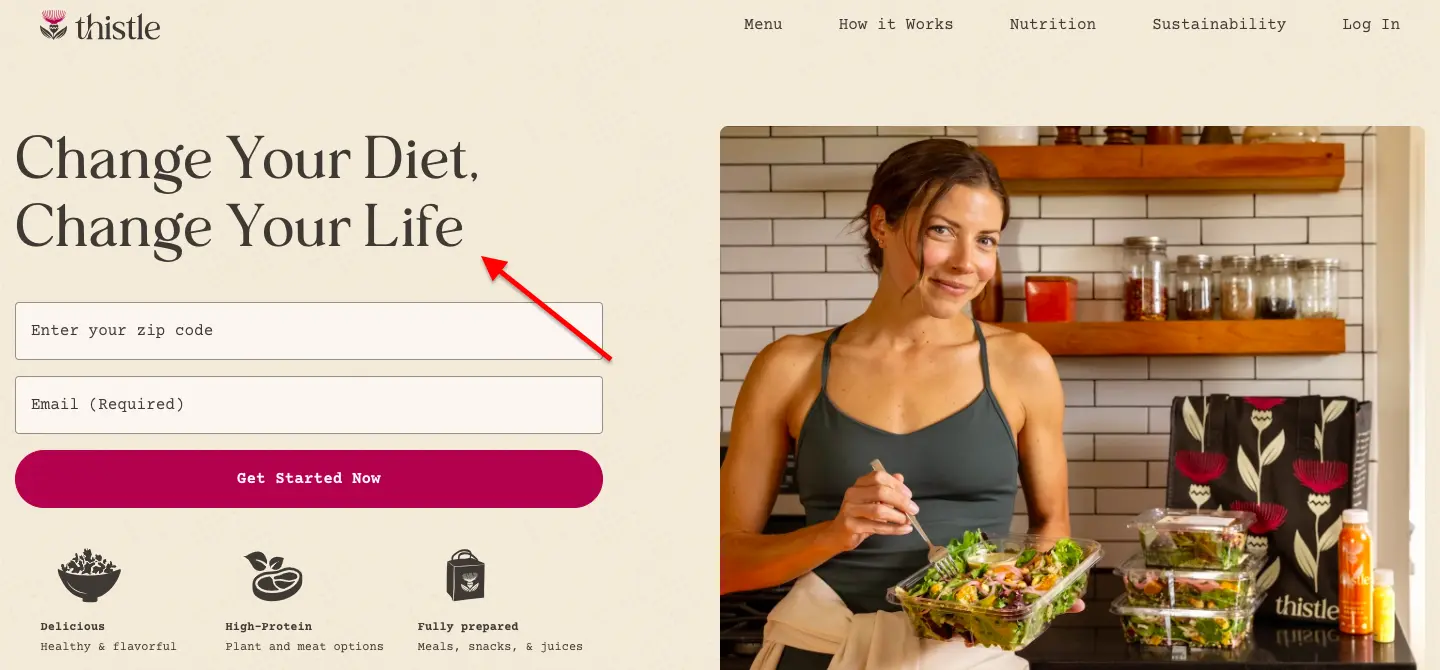
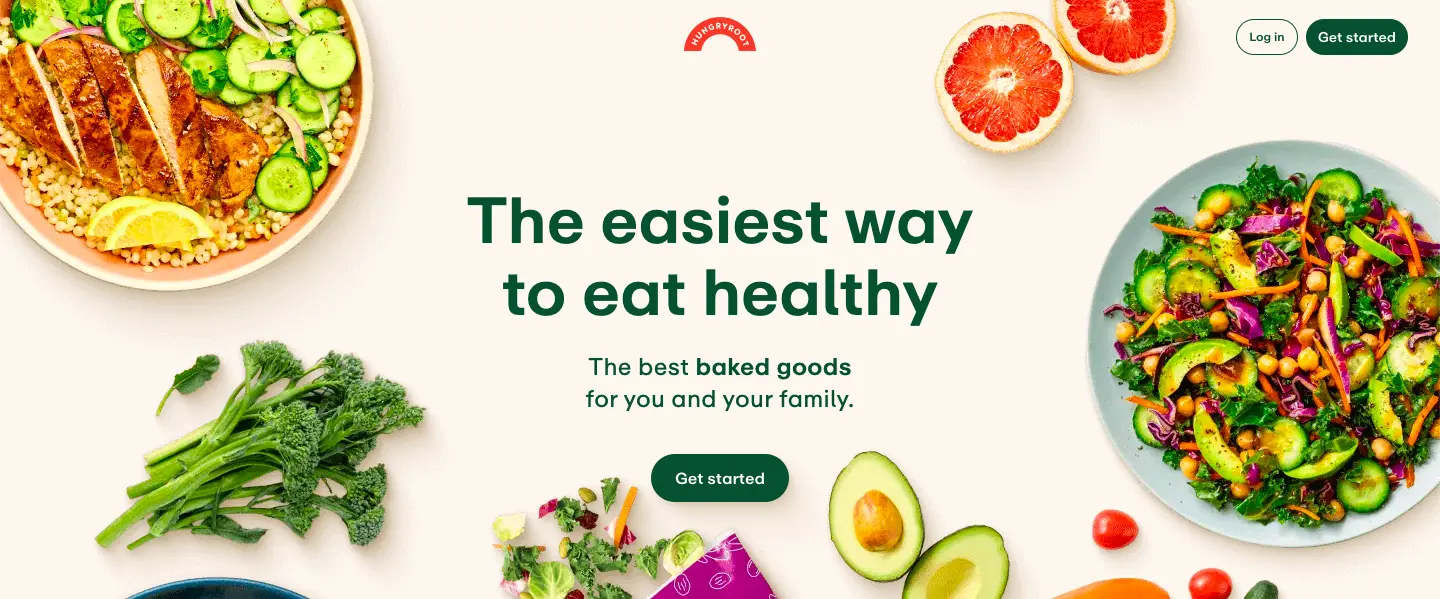
1. Stop Being Vague With Your Headline
Most visitors bounce in three seconds. Tell them exactly what they get.
✔Better: “Increase eCommerce Conversions by 25%”
✖Avoid: “Optimize Your Landing Page”
2. One Page, One Goal
A landing page isn't a junk drawer. Remove unnecessary links and distractions. If a section doesn't help the user take one specific step, delete it.
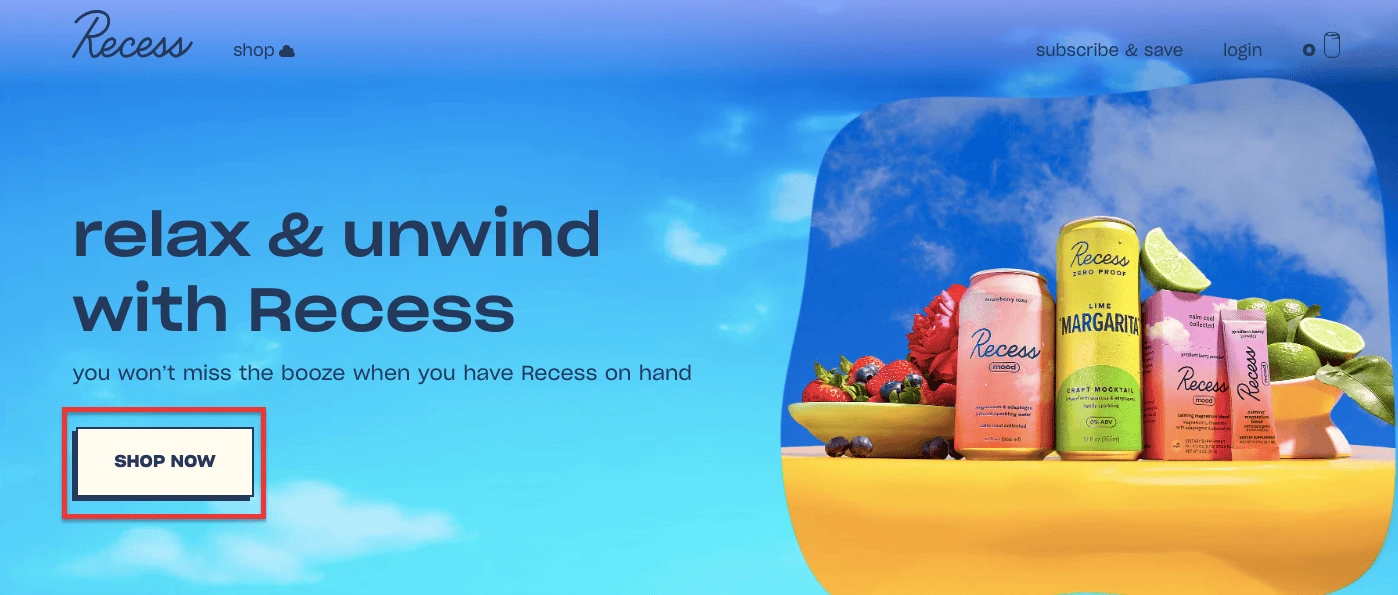
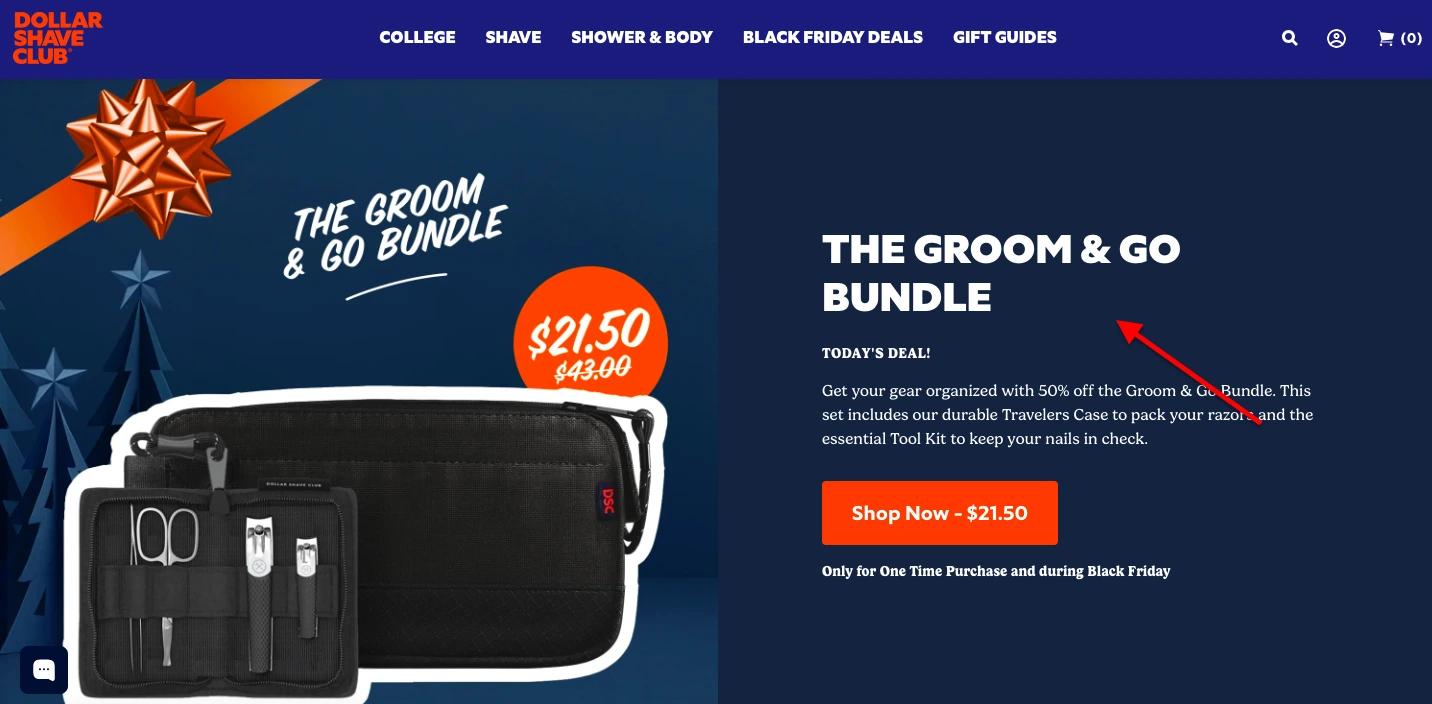
3. Give Your Buttons Some Muscle
"Learn More" is where conversions go to die. Use action-oriented language that promises a win and make the CTA visually dominant.
✔Better: “Get My Free Conversion Audit”
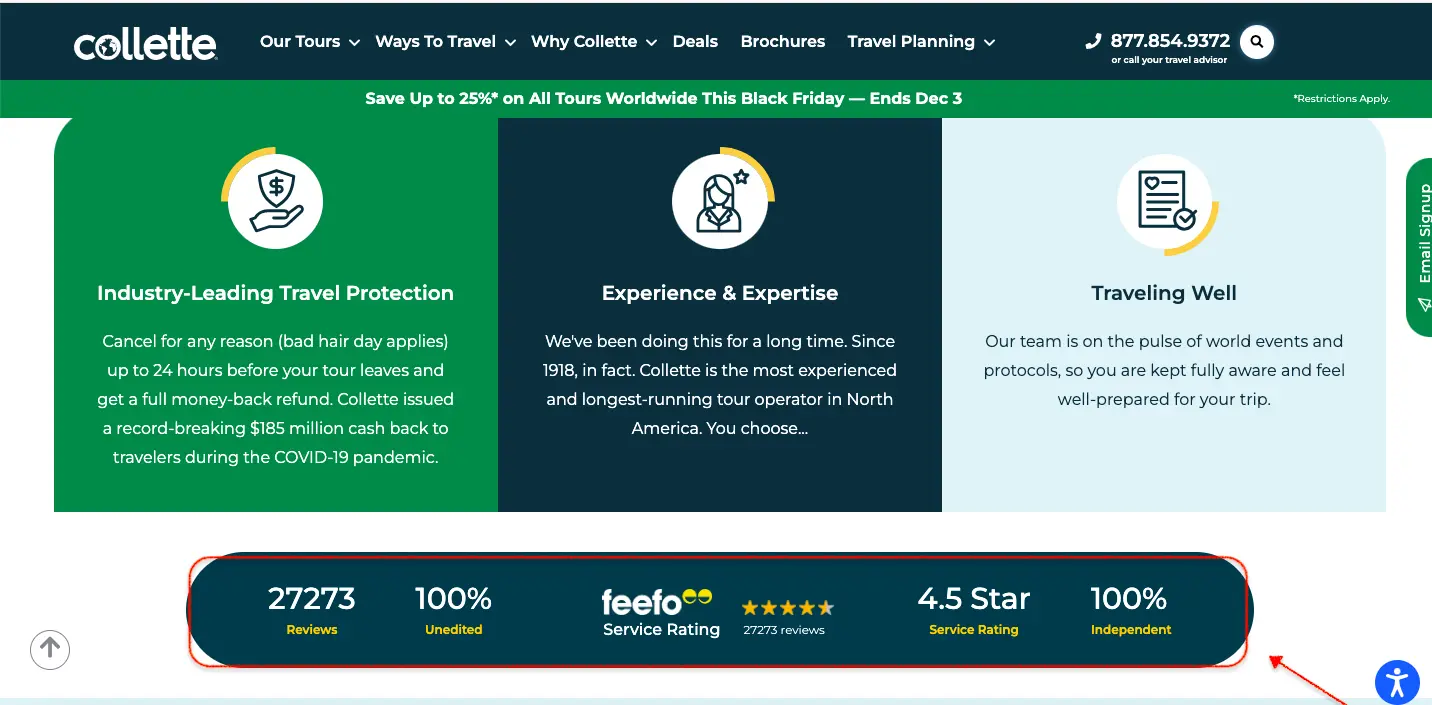
4. Sprinkle Trust Where They Get Nervous
Place testimonials, verified badges, or guarantees right next to your CTA to dismantle doubt in real-time. Real human signals beat generic star ratings.
5. Trim The Fat In Your Process
Every extra form field is an excuse for someone to change their mind. If you don't absolutely need the information to close the deal, don't ask for it.
Here’s a simple truth about eCommerce landing pages: the harder you try to sell, the fewer people buy.
Most pages are built backwards, stuffed with features the team loves, headlines the CEO approved, and CTAs optimized for internal politics rather than human psychology. Visitors arrive curious and leave confused.
The fix isn't a new design trend or a clever color scheme. It's understanding that your visitor has exactly one question, "Is this worth my time?" and answering it before they think to ask.
This guide walks through eleven proven ways to do exactly that.
The Convertcart Prioritization Framework—What to Fix First
The Strategy: What to Optimize First?
The most practical question any eCommerce operator can ask isn't "what should I optimize?" It's "What should I optimize first?"
If your conversion rate is below 2%
The problem is almost certainly in Lever 1 or Lever 2: intent match or product clarity. Before testing anything else, ask: Does the page my visitors land on match what brought them there? Can a stranger understand what my product does and why they should want it within five seconds? Fix the fundamentals before running experiments on button colors.
If your conversion rate is between 2% and 4%
The foundation is working. The gap now is likely trust and friction. Add specific, outcome-focused reviews near your CTA. Move shipping and return information above the fold. Audit your checkout for fields that aren't earning their place.
If your conversion rate is above 4%
You have a healthy converting page. The opportunity is almost certainly AOV. Introduce bundles, quantity breaks, or post-purchase upsells. Test threshold-free shipping if you haven't already.
If most of your traffic is paid
Prioritize intent match, page speed, and distraction removal above everything else. These three variables have an outsized effect on paid traffic because visitors arriving from ads are less patient and less committed than organic visitors.
If most of your traffic is organic
Visitors arriving from search tend to be earlier in their decision-making process. They need more education, deeper trust, and often more information on content comparisons, detailed specifications, and FAQs before they're ready to act. Paid-traffic tactics like stripped-down funnel pages often underperform with organic visitors.
Why Most Landing Pages Don't Convert
There's a peculiar irony at the heart of most landing pages. They are built, often at considerable expense, by people who care deeply about the product and that caring is precisely what makes them fail.
The page assumes too much. It speaks in the company's language rather than the customer's. It leads with features nobody asked about, buries the benefit three scrolls down, and places a call to action wherever the designer ran out of ideas.
Then there's the trust problem. Visitors arrive as strangers. They're scanning for reasons to stay, not reasons to buy — and the moment something feels off, whether it's a slow load, a cluttered layout, or a headline that answers the wrong question, they leave.
Most landing pages don't fail because of bad design. They fail because of a fundamental misunderstanding of what the visitor actually came for.
5 eCommerce Landing Page Optimization Strategies That Increase Conversions
Most CRO advice is a long list of tips that feel sensible in isolation and overwhelming in practice. Here's a more useful way to think about it: there are five levers, and they have a natural sequence. Pulling them in the wrong order is a common and expensive mistake. These landing page optimization strategies are the foundation of any high-converting eCommerce landing page.
1. Know What Your Audience is Looking For
This is the one eCommerce brand that gets it wrong more than anything else. A visitor who clicked a Facebook ad for "waterproof hiking boots for women" lands on your homepage. She is gone within eight seconds. Not because your page is bad, because it isn't the page she was promised.
Intent match is the alignment between what your ad, email, or search result implied and what the landing page actually delivers. Message, visual, offer, even tone, these should feel continuous, like the same sentence spoken by the same person.
2. Explain Yourself Well
Your product has about five seconds to make sense to a stranger. Five seconds during which they're scanning, not reading for answers to three questions: What is this? Who is it for? Why should I care?
Most product pages are written by people who are too close to the product to explain it. They lead with features rather than outcomes.
However, what matters most in product page optimization is a headline that names the outcome, not the product; a subheadline that names the person it's for; benefit-led bullets (not feature lists); and a main image that shows the product in use, in context, ideally solving the problem you've just described.
3. Focus On Minimizing Risk and Building Trust
There's a moment usually somewhere between reading your product description and hovering over the add-to-cart button when a visitor's brain asks: but what if it's rubbish?
This is the objection your landing page has to answer before they ask it out loud.
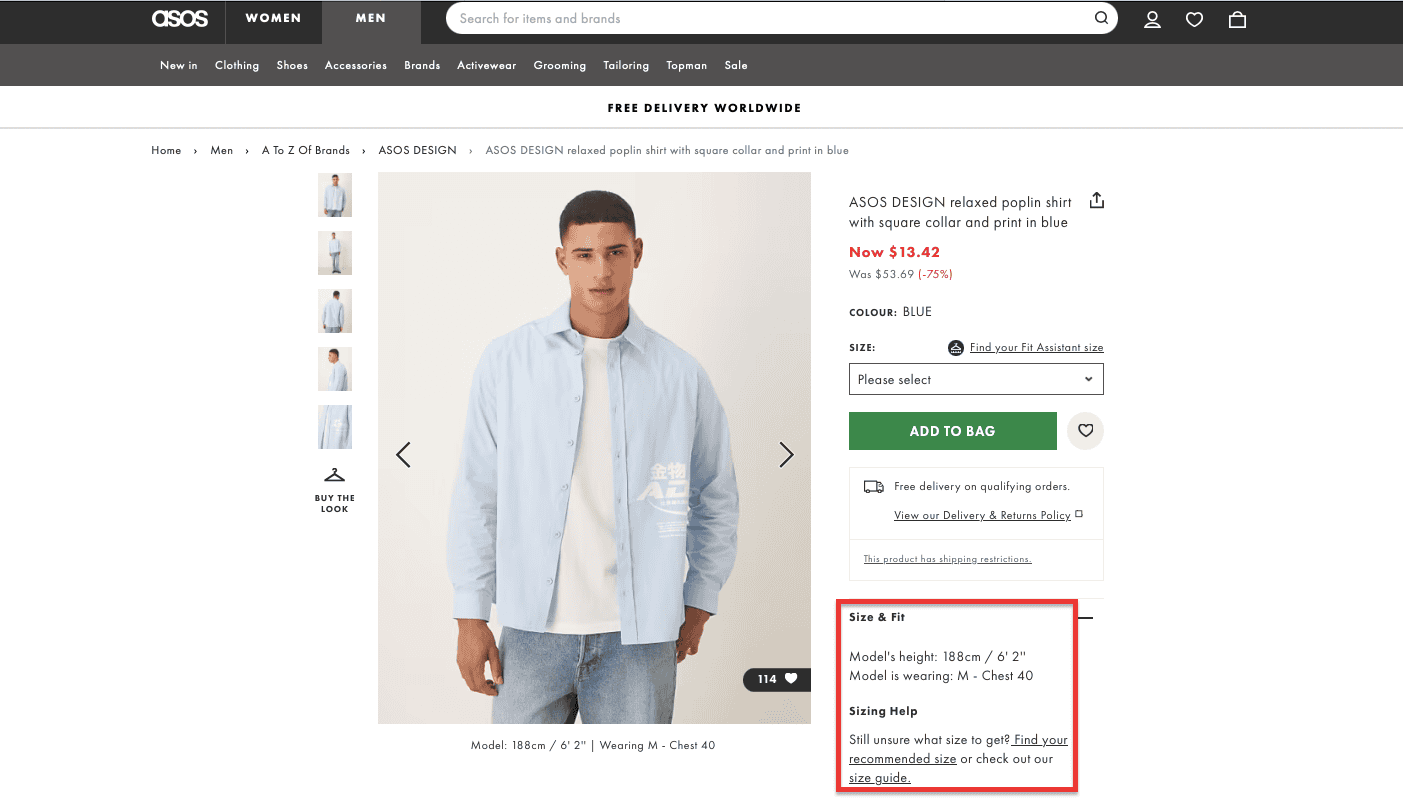
The tools are familiar: reviews, guarantees, return policies, shipping information, user-generated photos — but specifics matter enormously. '30-day no-questions-asked returns' does more work than 'easy returns.' '4.8★ from 2,300 customers' does more work than 'highly rated.'
The more concrete the claim, the more credible it feels.
But placement and specificity matter far more than most brands realize.
4. Make Each Step Feel Easy
Friction is anything that makes the next step feel harder than it should. A checkout flow with six fields, where four would do. A mobile page where the add-to-cart button requires a small act of faith to locate. A form that times out.
Navigation menus on paid landing pages that give visitors seventeen different places to go when you want them to go to exactly one.
Every friction point is a small leak. Individually, none of them seems catastrophic. Together, they explain why a 3% conversion rate is 3% and not 6%.
5. Always Aim to Create Value
This lever is about AOV rather than conversion rate, which is why it comes last. There's no point trying to upsell visitors who aren't convinced enough to buy in the first place.
But once someone has decided to buy or is very close to doing so, they are in the most receptive state they will ever be. This is precisely the moment to show them a bundle, a quantity break, a complementary product, or a "complete the set" suggestion.
Wait — Which Kind of eCommerce Landing Page Do You Actually Have?
A common and costly mistake: treating all landing pages the same. A product detail page (PDP), a paid traffic funnel page, and a collection page have different visitors, different intents, and different jobs. Optimizing them identically produces mediocre results across the board.
Product Pages (PDPs)
This is the workhorse of eCommerce. Most of your conversion decisions happen here, and most of the fixable problems live here, too.
The above-the-fold section is everything. Before a visitor scrolls, they should see: your main product image (showing the product in use, not floating on a white background), your headline, and a short benefit-driven description, price, your primary trust signal (star rating, review count, or guarantee), and the add-to-cart button.
Everything else, specifications, full reviews, FAQs, and related products belong below the fold. Not because it doesn't matter, but because burying the decision-making information under a wall of detail is a reliable way to lose buyers before they reach it.
A sticky add-to-cart button on mobile is one of the highest-return fixes available to any eCommerce store. It costs very little to implement and removes a remarkably common friction point: the visitor who has decided to buy but can't easily find the button.
Paid Traffic Landing Pages
If you're sending paid traffic to a page with navigation still intact, you're paying to give people a menu of escape routes.
Paid landing pages should have no navigation. One product. One offer. One CTA. A message that explicitly matches the ad that sent the visitor there. The goal is to reduce the decision surface area to almost nothing; the visitor either buys or they don't, and every element of the page works toward the former.
Collection and Category Pages
These pages are where most stores quietly lose revenue, and almost no one optimizes them. Visitors here are exploring, comparing, and not yet deciding.
The job of a collection page is to help them find what they're looking for quickly and make the products they see compelling enough to investigate further.
The most common mistake: too many products, poorly filtered, with no hierarchy. If a visitor can't orient themselves within a few seconds, they leave not because your products aren't right for them, but because the page made finding the right product feel like work.
High-Impact Experiments Worth Running
These are proven landing page best practices based on real eCommerce conversion rate optimization experiments.
Rather than a list of generic "try this" tips, here are structured test ideas with a rationale:
Move reviews above the CTA
Control: reviews in a dedicated section below the fold
Variant: 2–3 high-quality reviews placed directly above the add-to-cart button
Variant: outcome-led rewrites ("Feels noticeably cooler on warm nights")
Metric to watch: scroll depth and time on page
Add a "why this product" paragraph
Control: standard product description
Variant: short paragraph explaining who the product is for and why it exists
Metric to watch: conversion rate among new visitors, specifically
Surface shipping and returns above the fold
Control: policy in the footer or a dedicated policy page
Variant: one-line return and shipping summary directly below price
Metric to watch: checkout initiation rate
Test a quantity break on high-repeat products
Control: single-unit pricing only
Variant: "Buy 2, get 15% off" offer visible in the purchase widget
Metric to watch: AOV and units per transaction
Common Mistakes That eCommerce Brands Keep Making
These are worth naming directly because they're persistent.
(i) Navigation menus on paid traffic pages
Every link in a navigation menu is an invitation to leave the page without making a purchase. Paid funnel pages should not have them. This is not a design opinion; it's a consistently supported finding across eCommerce A/B testing.
(ii) Too many choices
The instinct to show visitors more products, more options, and more variants is understandable but frequently counterproductive. More choices require more decisions, and more decisions lead to greater abandonment. On a landing page with one goal, reduce choices to the minimum viable set.
(iii) Hiding price or shipping information
Visitors who can't easily find the price or shipping cost don't wait for it to appear; they leave. Uncertainty about cost is one of the most reliable abandonment triggers in eCommerce. Make both immediately available.
(iv) Treating mobile as a secondary concern
Mobile is not a different version of your store for most brands; it's the primary version. A landing page that performs well on desktop but poorly on mobile is failing most of its visitors. Test on actual devices, not just browser emulators.
(v) Optimizing for conversion rate while ignoring AOV
A page with a strong CR and weak AOV is leaving money on the table. Both metrics deserve equal attention, particularly for stores past the initial growth phase.
(vi) Writing for yourself instead of your customer
If your product description uses the words "revolutionary," "innovative," or "cutting-edge," read it again. Those words answer questions nobody is asking. Buyers want to know: what does this do, who is it for, and why should I trust you? Answer those three questions and stop.
What Good Looks Like: Before and After
Rather than generic case studies, some patterns worth knowing from real optimization work:
Stores that move shipping information from the footer to just below the add-to-cart button consistently see a measurable reduction in cart abandonment. The information was available before; it just required effort to find, and effort at the moment of decision is precisely what tips hesitant buyers out of the funnel.
Product pages that lead with outcome-focused headlines rather than product names or feature descriptions tend to see meaningful increases in time on page and scroll depth. Visitors who understand immediately what a product does for them have a reason to keep reading.
Paid traffic funnel pages with navigation removed typically outperform standard product pages for the same product, sometimes considerably, simply because the visitor has fewer places to go.
Frequently Asked Questions
How is eCommerce landing page optimization different from SaaS or B2B?
eCommerce visitors make faster, more emotional decisions. Trust needs to be established quickly. Objections around shipping cost, return risk, and product quality matter more than they do in SaaS. AOV is a revenue lever that doesn't exist in SaaS subscription models. The principles overlap, but the emphasis is quite different.
Should eCommerce landing pages remove navigation?
For paid traffic pages: yes. For organic search landing pages: generally no, because organic visitors often need to explore more before buying. The rule of thumb for landing page optimization is: the more pre-qualified and intent-specific the visitor, the more you can strip down the page.
What should be above the fold on a product page?
Your product image, a headline that describes the outcome or benefit, price, your primary trust signal (review count or guarantee), and your add-to-cart button. If a visitor has to scroll to find any of these, you're likely losing conversions.
How do I increase eCommerce average order value without discounting?
Bundles, quantity breaks, free shipping thresholds, and complementary product suggestions are all reliable AOV mechanisms that don't require discounting.
The key to increasing AOV is relevance upsells that make sense in context, feel like service; upsells that don't feel like noise.
The Bottom Line
eCommerce growth doesn't come from more traffic alone. It comes from extracting more revenue from the traffic you already have.
The brands that do this best aren't running more experiments than everyone else. They're running the right experiments in the right order, on the right pages, with a clear view of which numbers they're trying to move.
Start with intent match. Make sure your product is immediately understood. Remove risk early. Reduce friction everywhere. Then, and only then, turn your attention to AOV.
Most stores don't need more traffic. They need fewer leaks. Fix these five levers in order, and the revenue follows.
That's the sequence. Follow it, and your landing pages stop being a source of anxiety and become a reasonably predictable revenue stream.
Convertcart works with 500+ ecommerce brands to identify and fix conversion gaps across product pages, paid funnels, and checkout flows. If you'd like a free audit of your highest-traffic landing page, start here.





.avif)
.svg)


.svg)

.svg)
.svg)
